

 Back to Blogs
When Is It Time to Replace Your Old Garage Door?
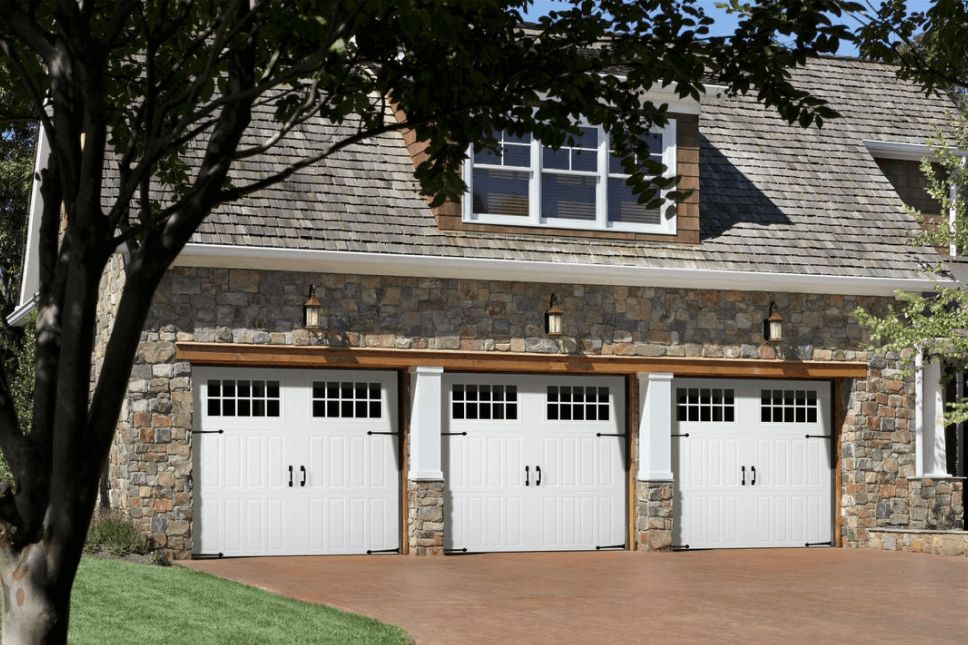
Your garage door is one of the hardest-working features of your home. It opens and closes thousands of times over the years, quietly doing its job through rain, snow, summer heat, and everything in between. But like any mechanical system, it won't last forever. Eventually, wear and tear catch up, and you'll need to decide whether to repair or replace it.
Knowing when that time has come isn't always obvious. Some signs are hard to miss – like a door that won't open – while others are more subtle, like rising energy bills or a finish that's seen better days. And with East Tennessee's humid summers and unpredictable weather patterns, garage doors in the Tri-Cities face their own unique set of challenges.
At Window World of Tri-Cities, we can help you make the right decision. Let's explore how to know when your garage door has reached the end of its service life.
How Long Does a Garage Door Last?
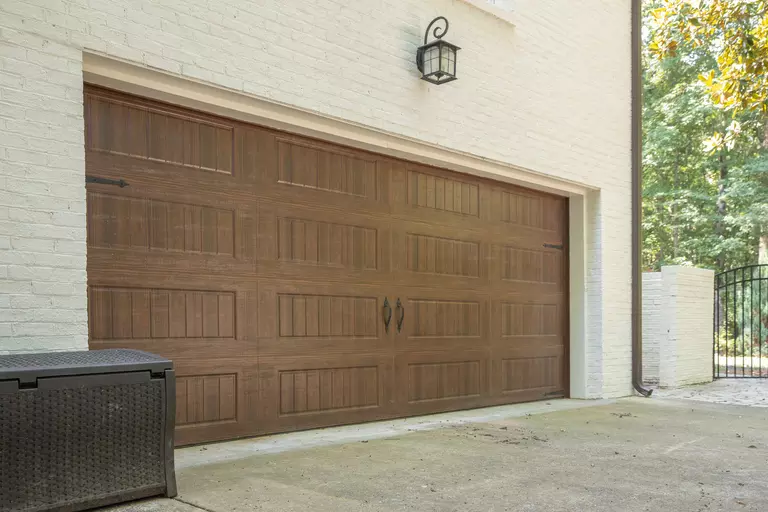
The lifespan of a garage door varies depending on several factors. But in general, you can expect a well-maintained door to last anywhere from 15 to 30 years. That's a pretty wide range, and where your door falls within it depends on:
- The material
- How often you use it
- How well it's been cared for over the years
Steel garage doors, for example, are known for their durability and can easily reach the 20- to 30-year mark with proper maintenance. On the other hand, aluminum doors are lightweight and resistant to rust, but they may not hold up as well to impact damage.
It's also important to understand that your garage door isn't just one component. It's a system made up of several parts, each with its own life expectancy. The door panels themselves may last decades, but other components wear out faster.
Factors That Affect Garage Door Lifespan
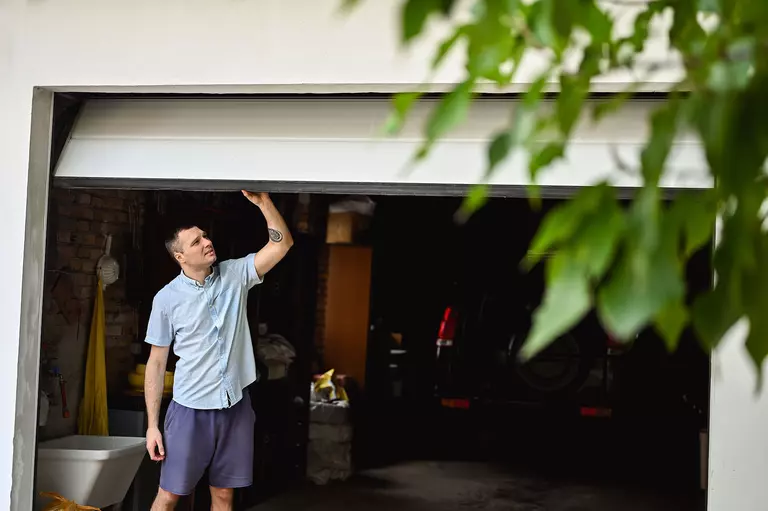
So what determines how long your entire garage door system lasts? There are a few key factors:
- Frequency of use plays a big role. A door that opens and closes four or five times a day will naturally wear out faster than one used only once or twice.
- Climate and weather exposure also matter. In the Tri-Cities, we see high humidity in the summer, temperature swings in spring and fall, and occasional winter freezes. All of this can take a toll on your door's material, finish, and moving parts.
- Regular maintenance is one of the most important factors. A garage door that's lubricated, adjusted, and inspected regularly will outlast one that's been neglected.
- Finally, the quality of the original installation and the material choice make a difference. A professionally installed, high-quality door will perform better and last longer than a budget model that wasn't installed correctly.
6 Signs It's Time to Replace Your Garage Door
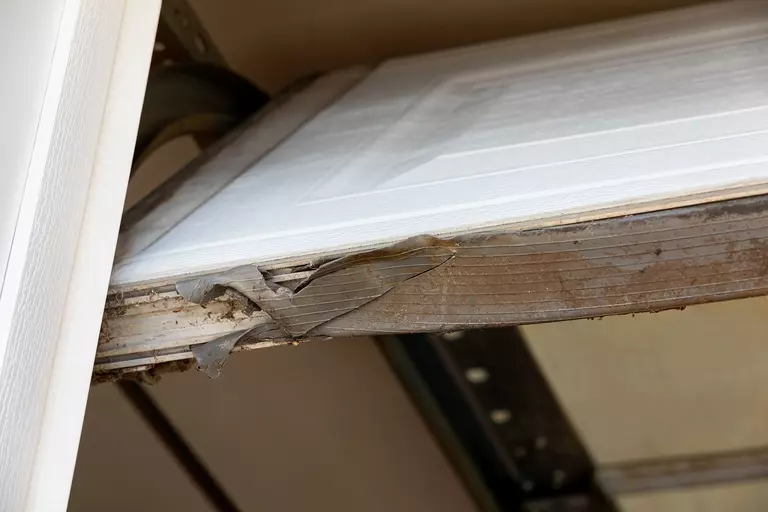
Even if your garage door hasn't reached the 30-year mark, there are plenty of signs that it may be time for a replacement. Catching these early can help you avoid a sudden breakdown – and the inconvenience and safety risks that come with it. Here's what to watch for:
- Visible damage and wear. Dents, cracks, and warping in the door panels can compromise the door's structural integrity, on top of being cosmetic eyesores. Rust or corrosion on steel garage doors, especially around the bottom panels, is a sign that moisture is taking its toll.
- Operational issues. If your door won't open or close properly, struggles to move smoothly, or operates in a slow, jerky fashion, something's wrong. Excessive noise during operation – grinding, squealing, or banging – often means worn parts or misalignment. Meanwhile, a sagging or uneven appearance when the door is closed suggests that the springs or tracks are failing.
- Broken or failing garage door springs. Springs are one of the most common failure points in any garage door system, and they typically give out after 7 to 10 years of regular use. Replacing springs isn't terribly expensive, but if you're replacing them for the second or third time on an older door, you may be throwing good money after bad.
- Increasing energy bills. If your garage is attached to your home and you've noticed your heating or cooling costs creeping up, your garage door could be to blame. Poor insulation, worn weatherstripping, or gaps around the edges allow drafts to seep in, making your HVAC system work harder to maintain comfortable temperatures in the rooms next to or above your garage.
- Outdated safety features. Older garage doors may lack the safety features that are standard on today's models. Auto-reverse sensors, which detect obstructions and stop the door from closing, became federally required in 1993. If your door doesn't have them, it's a serious safety risk, especially if you have children or pets.
- Frequent repairs adding up. At a certain point, repairing an old garage door becomes a losing game. If you're calling for service multiple times a year, those repair costs can quickly add up. A good rule of thumb is the 50% rule: if the cost of a repair approaches 50% or more of what a new door would cost, replacement is usually the smarter investment.
Should You Repair or Replace Your Garage Door?
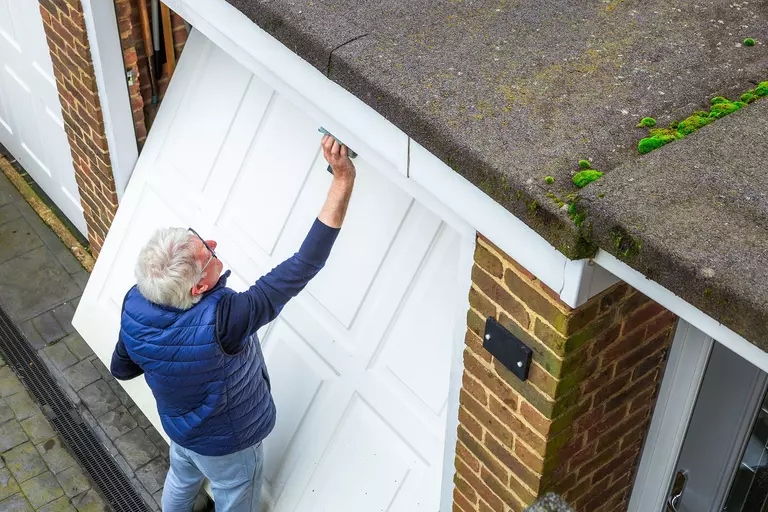
Deciding between repair and replacement isn't always straightforward, but understanding when each option makes sense can save you money and frustration in the long run.
When repair makes sense
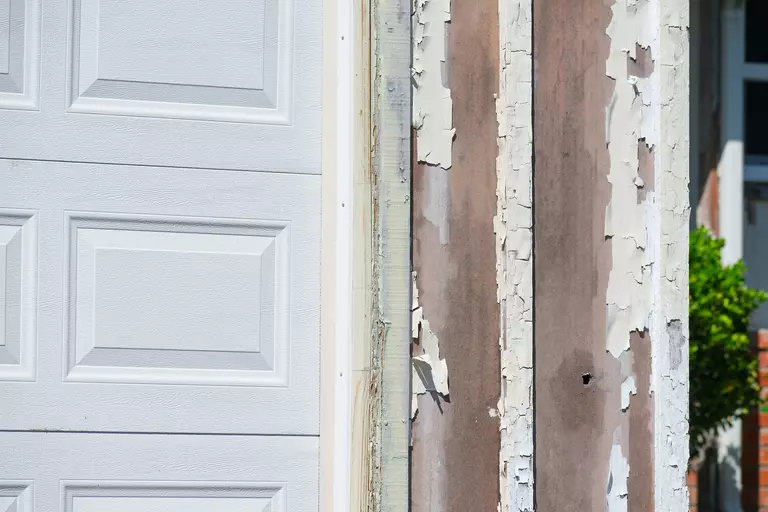
If your garage door is relatively young – less than 10 years old – and the problem is isolated to a single component, repair is usually the way to go. Maybe a spring broke, a panel got dented, or the opener stopped working. These are straightforward fixes that can extend your door's life without a major investment.
Cosmetic damage, like minor scratches or small dents, also falls into this category. As long as the door operates safely and efficiently, a cosmetic issue alone doesn't warrant replacement.
Finally, if the repair is cost-effective – say, a few hundred dollars versus several thousand for a new door – it's worth fixing. The benefits here are clear: You get a quick solution, spend less money upfront, and extend the life of your current door.
When replacement is the better choice
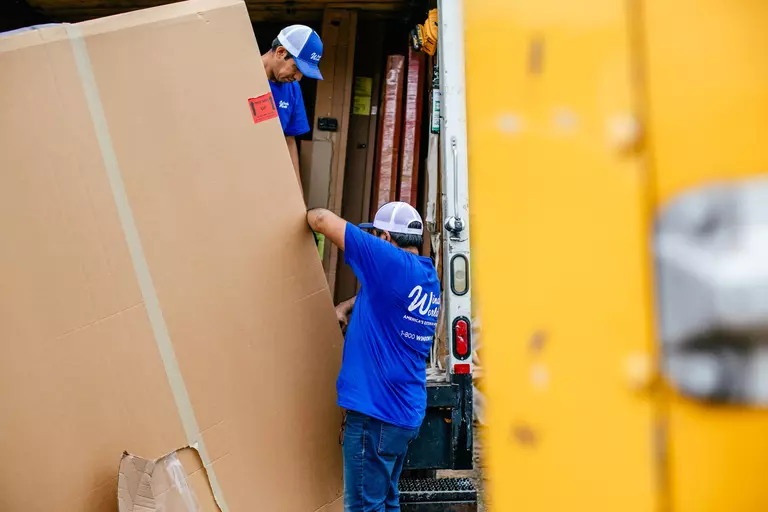
On the other hand, if your garage door is 15 years old or older, replacement often makes more sense. By that age, multiple components may be nearing the end of their lifespan, and you'll likely face a series of repairs in quick succession.
If you're already dealing with multiple problems at once – for instance, failing springs, a malfunctioning opener, and visible panel damage – replacement becomes more practical. Addressing each issue separately can cost as much as or more than a new door, without the long-term benefits.
The benefits of garage door replacement over ongoing repairs are significant, too. Depending on the door you choose, you could receive:
- Modern safety features like auto-reverse sensors and pinch protection
- Better energy efficiency with improved insulation
- A dramatic improvement in curb appeal
- Reduced maintenance needs
- Full warranty coverage on your new door
- Long-term cost savings by avoiding repeated repairs
- Quieter operation with new doors and openers
Understanding your garage door warranty

Warranties play an important role in the repair-versus-replace decision, so it's worth understanding what your current door's warranty covers (and what it doesn't).
Many garage door warranties are divided by component. For instance:
- Door panels often come with warranties ranging from 10 to 30 years, depending on the material and manufacturer.
- Garage door springs, on the other hand, usually have much shorter coverage – often just 1 to 5 years – because they're a high-wear item.
- Hardware like rollers, hinges, and tracks may be covered for a few years, and finish or paint warranties vary by manufacturer.
- It's also important to note that garage door opener warranties are separate from the door itself and typically last around 1 to 5 years.
When your warranty expires, you're responsible for the full cost of any repairs or replacements. For an older door, this can add up quickly. If your door is out of warranty and needs a major repair, that's a strong signal that replacement might be the smarter financial choice. You're already paying out of pocket for the repair, and a new door comes with fresh warranty coverage that protects your investment.
Don't Wait Until Your Garage Door Fails to Get an Upgrade
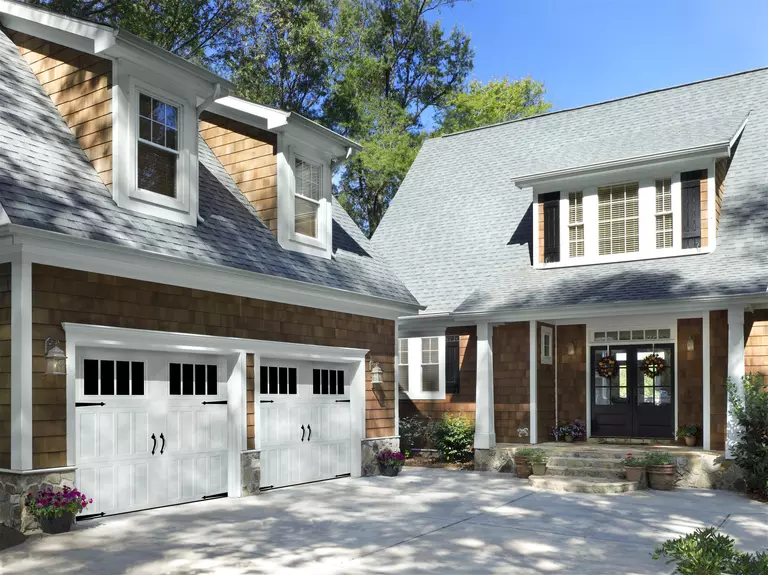
The average garage door lasts 15 to 30 years, but the warning signs often appear long before total failure. Visible damage, operational issues, broken springs, rising energy bills, and outdated safety features are all signals that your door may be nearing the end of its service life. And when repair costs start adding up, or your door is simply too old to be worth fixing, replacement becomes the smarter, safer choice.
When it's time to replace your garage door, choosing the right product and the right team makes all the difference. At Window World of Tri-Cities, we're proud to offer Amarr garage doors, a trusted brand known for durability, energy efficiency, and beautiful design. Contact us today for a free, no-obligation quote and let our team guide you through your options.