

 Back to Blogs
Do Insulated Garage Doors Help with Energy Efficiency?
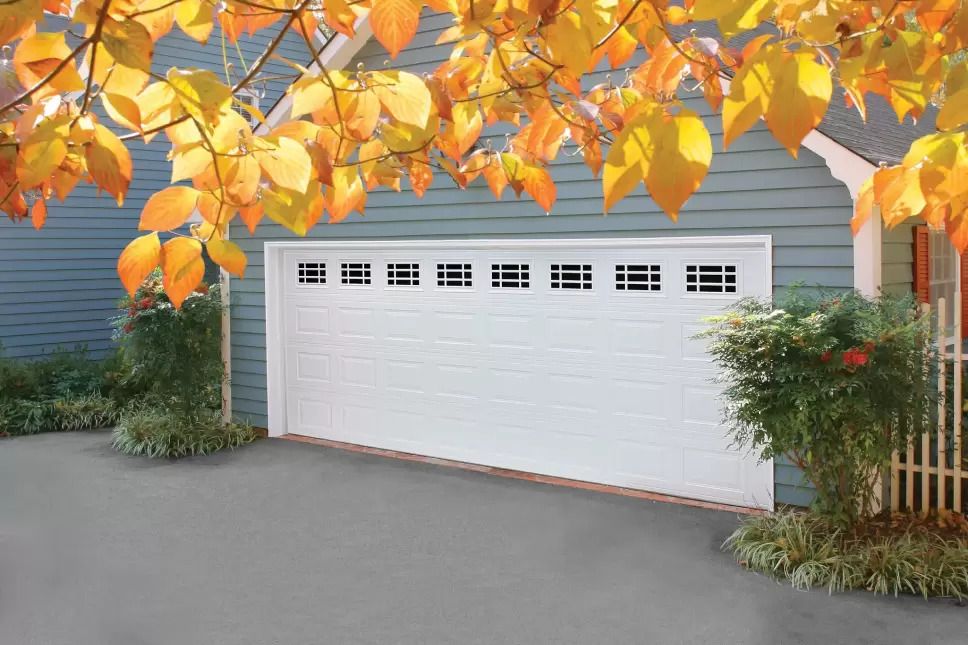
Your garage door is likely one of the largest openings in your home's exterior. While it's easy to think of it primarily as a way to secure your garage and vehicles, the door can also play a role in how comfortable the space feels throughout the year.
For homeowners in the Tri-Cities of Tennessee and Virginia, where temperatures can shift considerably from season to season, a garage door with insulation can provide several practical benefits. From better temperature control to a quieter garage, here's what to consider if you're wondering if insulated garage doors are worth it.
Key Takeaways
-
Insulation keeps the temperature of your garage and home consistent
-
The garage's R-value tells you how well the amterial resists outside heat
-
Additional layers in an insulated garage door also dampen outside noise
-
Both insulation and overall construction make garage doors more durable
How garage door insulation works
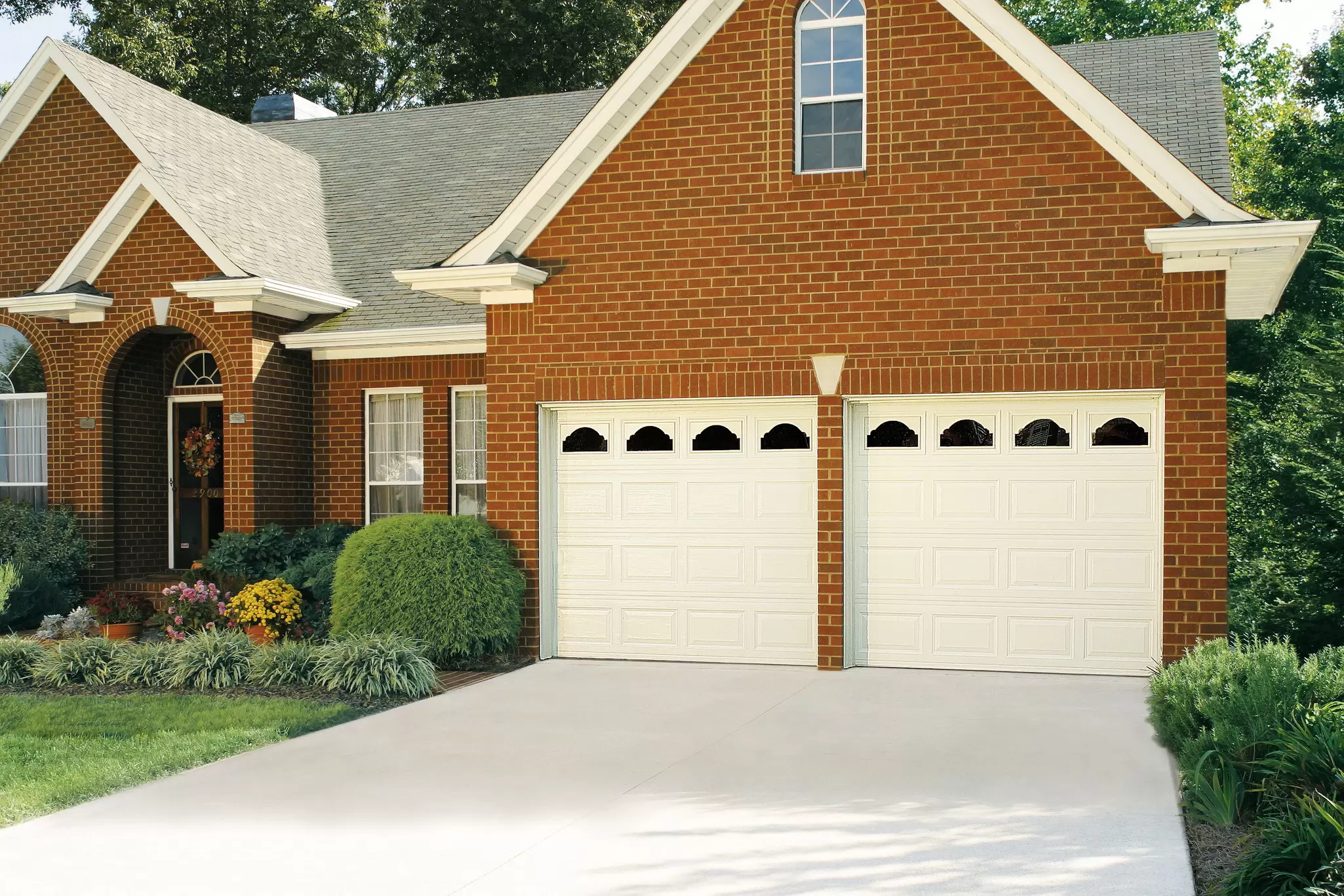
Think of garage door insulation as an extra layer of protection between your garage and the weather outside. Just as insulation in your home's walls helps keep indoor temperatures more consistent, insulation inside a garage door helps slow down how quickly outdoor heat or cold passes through the door.
Many insulated garage doors are built with multiple layers. Insulating material is placed between layers of steel or other exterior materials, creating a thicker barrier than you would get with a basic single-layer door. On a hot summer day, this can help keep some of the outdoor heat from warming the garage. During colder weather, it helps keep warmth from escaping as quickly.
You may also see the term “R-value” when comparing garage doors. This value tells you how well a material resists the movement of heat. The higher the R-value, the more insulating power the door generally provides.
However, R-value isn't the only thing that matters. The door's overall construction, weather seals, and proper installation all contribute to how well it performs. Even a well-insulated door won't be as effective if gaps around the edges allow outside air to easily enter the garage.
Do insulated garage doors help with temperature control?
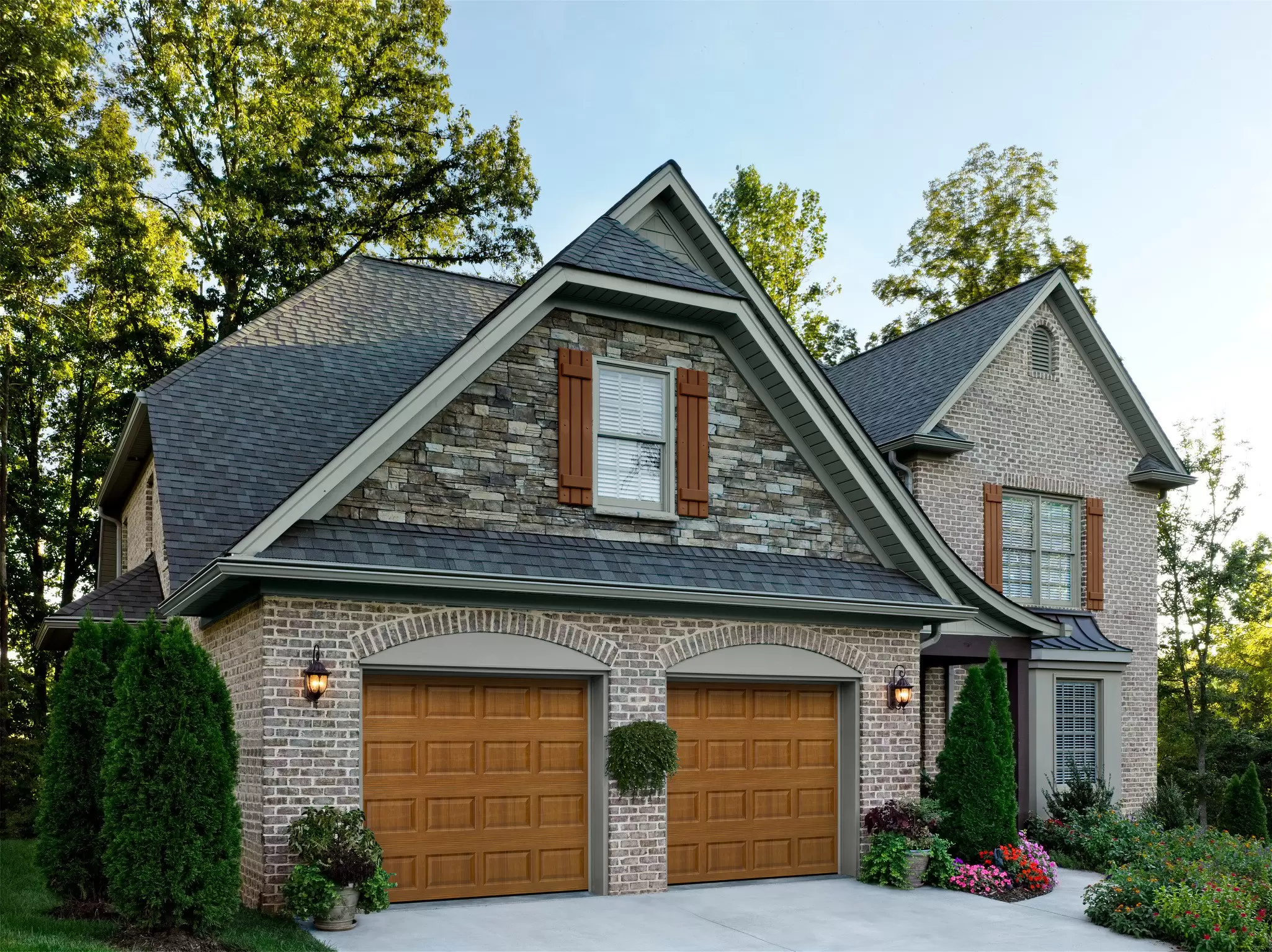
Yes, insulation can help reduce temperature fluctuations inside a garage, which is especially useful in our region. Northeast Tennessee and Southwest Virginia experience hot, humid summers and winter nights that can fall below freezing. An insulated garage door can help slow heat transfer during both extremes.
When summer temperatures climb, or a winter freeze arrives, an attached garage without insulation can become significantly hotter or colder. Those temperature swings may also affect bedrooms or other living spaces that share walls or ceilings with the garage.
A garage door with insulation adds another thermal barrier between your home and changing outdoor conditions. While it won’t turn an unconditioned garage into a climate-controlled space, it can help moderate temperatures and make the garage and adjoining areas more comfortable year-round.
Insulation can make your garage more comfortable
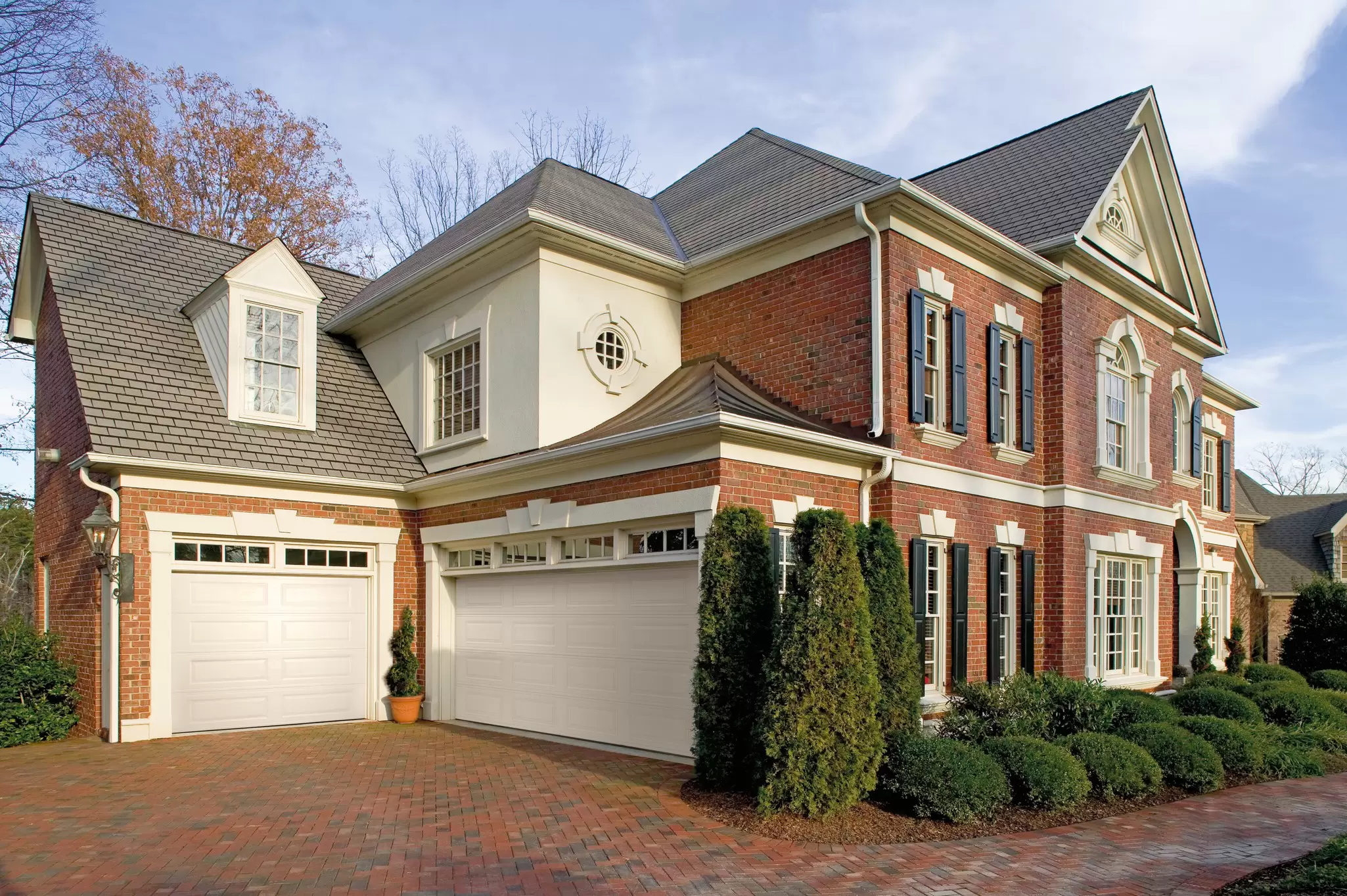
Your garage may be where you park your car, but chances are, that’s not all you use it for. Maybe you spend Saturday mornings working on projects at a workbench, squeeze in a workout before work, or head to the garage whenever something in the house needs fixing.
A garage door with insulation can help moderate temperature swings, making the space more comfortable for activities such as:
- Working on DIY or home improvement projects
- Exercising or using a home gym
- Enjoying hobbies and crafts
- Organizing or accessing stored belongings
- Tackling vehicle maintenance and other weekend projects
Insulation won’t turn an unconditioned garage into a climate-controlled room. However, when combined with proper weather sealing, it can make the space much more comfortable and usable.
Insulated garage doors can help reduce noise
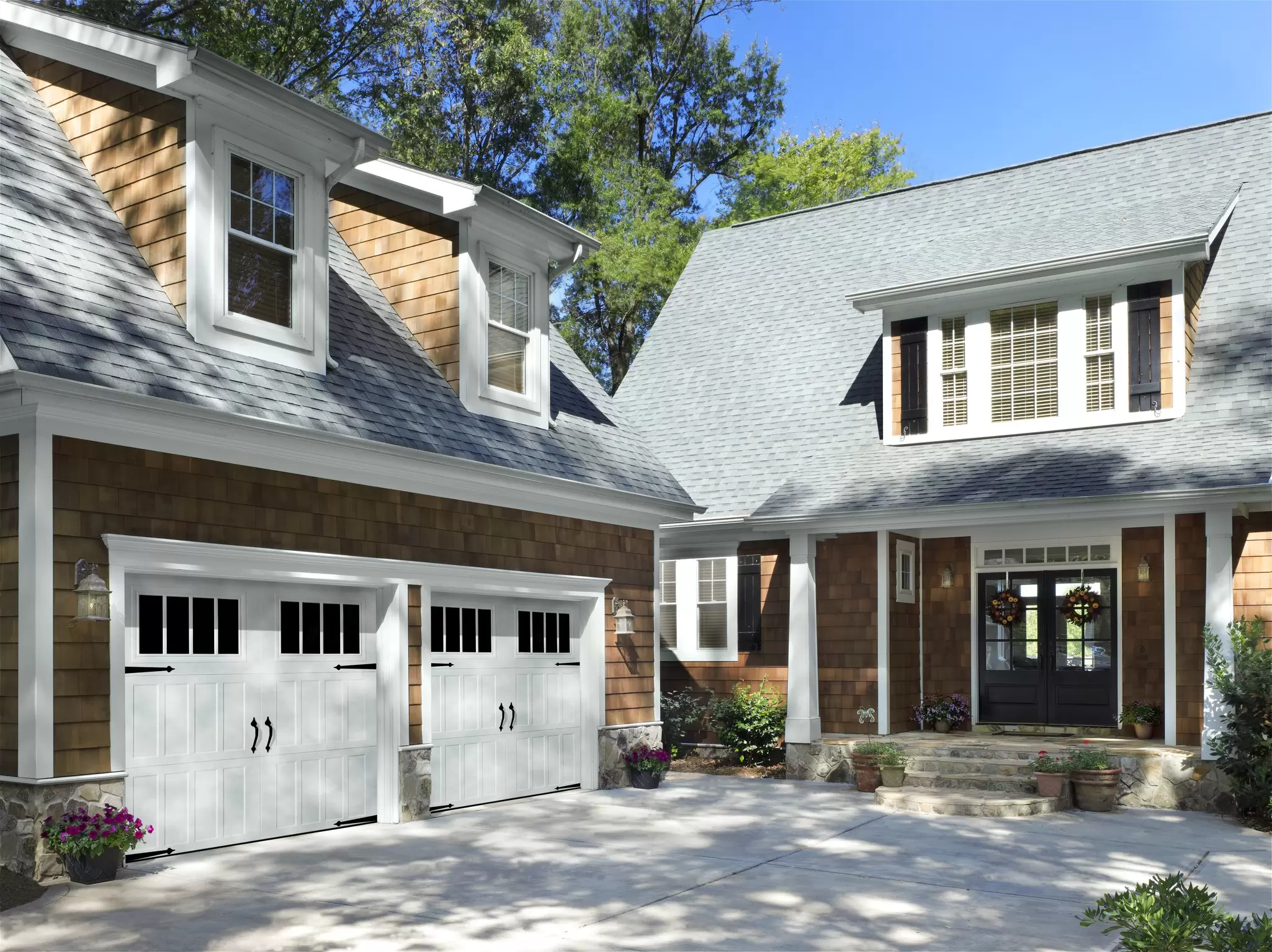
Picture an early Saturday morning when you want to tackle a project in the garage while everyone else is still asleep. Or maybe you live near a busy street and would rather hear less traffic while working on your latest endeavor. An insulated garage door can help create a quieter environment.
The additional layers in an insulated door can help dampen some outdoor noise while also making the door more substantial. That construction may reduce some of the rattling and vibration you hear as the garage door operates.
Noise reduction can be especially useful when the garage is attached to the house or located near a bedroom or home office. While an insulated door won’t soundproof the space, a quieter garage can be a welcome benefit for both the people using it and everyone inside the home.
Insulation can improve garage door durability
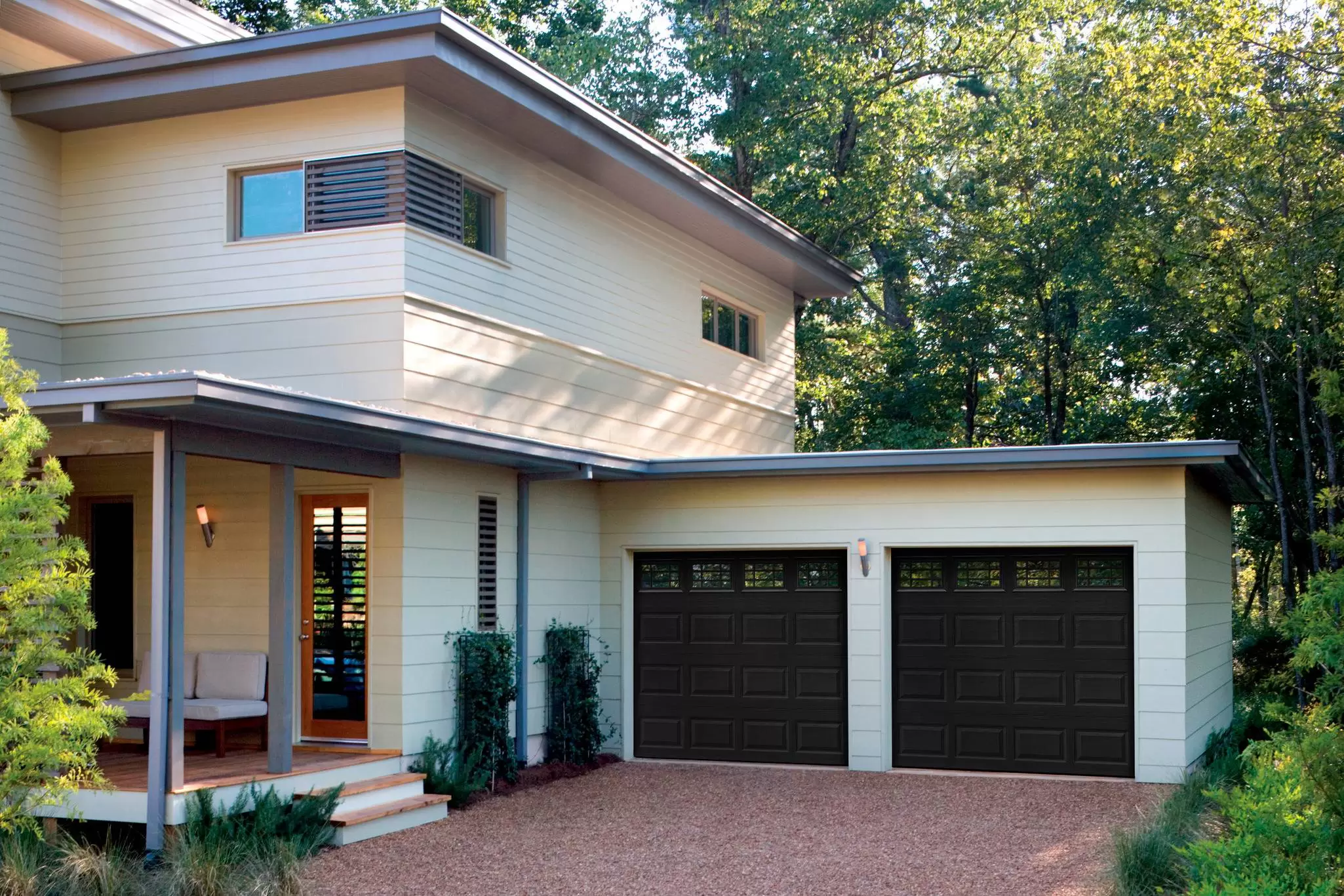
Many insulated garage doors use multi-layer construction, with insulation positioned between exterior layers. In addition to improving thermal performance, this construction can give the door added rigidity and create a more substantial overall structure.
That extra strength can be valuable for a garage door, which is a large exterior feature that may be opened and closed multiple times each day. It also has to withstand exposure to sun, rain, wind, and seasonal temperature changes.
A more rigid door may be better equipped to resist everyday dents and damage than some lightweight, single-layer options. However, durability varies based on the materials, construction, and specific garage door model. When comparing doors, consider both insulation and overall construction to find an option that fits your home's needs.
Do I need insulated garage doors?
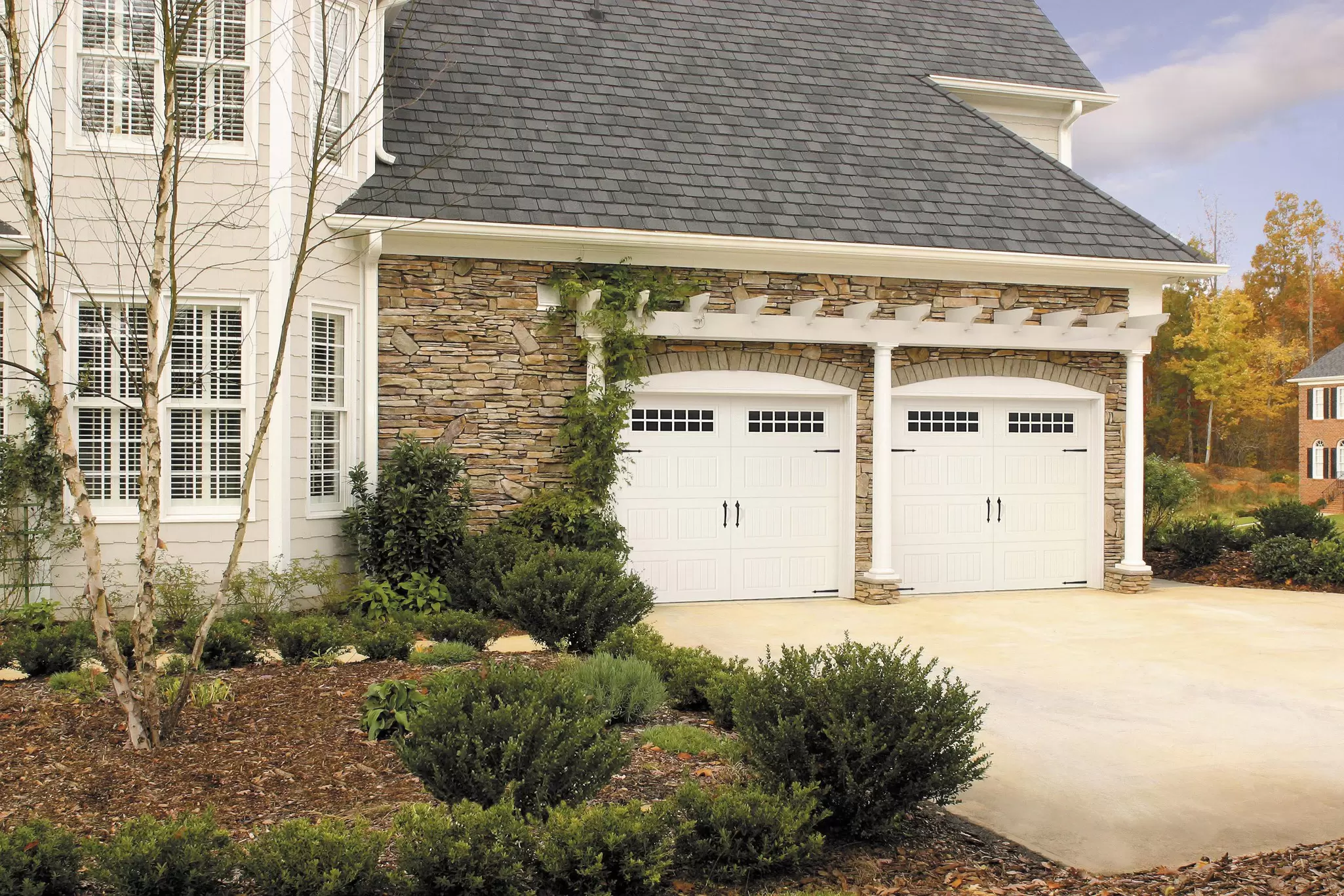
Not every homeowner needs the same level of garage door insulation. A detached garage used primarily for parking or equipment storage may have different needs than an attached garage that shares walls with your living space.
If you're deciding whether insulated garage doors are worth it, consider these factors:
- Is your garage attached to your home? Insulation can help create an additional thermal barrier between the garage and adjoining living areas.
- Are there finished rooms above or beside the garage? Reducing temperature swings in the garage may help make nearby rooms more comfortable.
- Do you regularly spend time in your garage? Insulation may make workshops, home gyms, and hobby areas more comfortable during hot or cold weather.
- Is noise a concern? An insulated garage door can help dampen some outdoor noise and reduce vibrations from the door itself.
- Does your garage get particularly hot or cold? If outdoor temperatures have a noticeable effect on the space, insulation may help moderate those extremes.
Ultimately, the right choice depends on your garage, how you use it, and what you want from a replacement door. For many homeowners, the combination of improved comfort, noise reduction, and added rigidity makes insulation worth considering.
Request a quote for an insulated garage door from Window World of Tri-Cities

Our region experiences every seasonal change, so your garage door will be exposed to summer heat, winter freezes, and plenty of changing conditions in between. Choosing insulation can help create a more consistent buffer between those outdoor temperatures and your garage.
Window World of Tri-Cities offers Amarr garage doors with insulated options designed to provide interior climate control and noise dampening while complementing a variety of home styles. If you're considering replacing your current garage door, our team can help you compare available styles and insulation options to find the right fit for your home.
Contact us today to learn more about our garage doors and request a free estimate.