

 Back to Blogs
How to Fix Faded Siding for Good
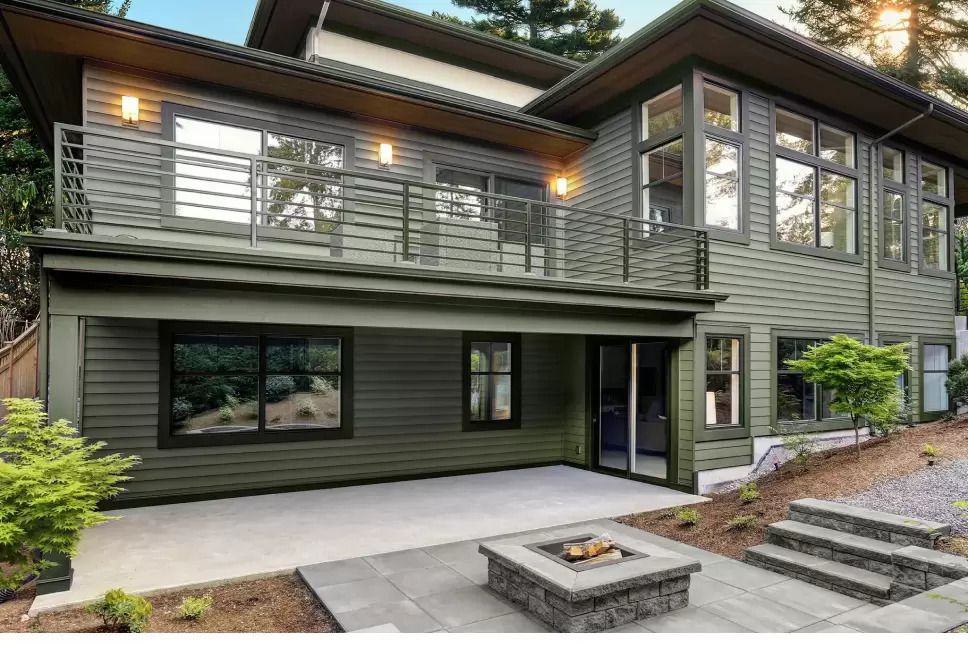
Fresh siding can transform a home's exterior, but years of exposure to the elements can gradually change its appearance. A siding color that once looked rich and vibrant may become faded or less consistent, especially on parts of the house that receive the most direct sunlight.
So, does all siding fade? Most exterior materials can experience some degree of color change over time, but several factors determine how quickly that happens. Sunlight, weather, moisture, age, surface buildup, and even the original siding quality can all affect how well an exterior maintains its color.
In this article, we'll explore what causes siding to fade, how area homeowners can help preserve its appearance, and when discoloration may be a sign that it's time to consider siding replacement from a local expert.
Key Takeaways
-
Siding gradually fades from exposure to UV rays in sunlight, moisture, and seasonal temperature changes.
-
A siding's material color and quality can affect how long it can take for fading to happen.
-
You can preserve your siding's appearance with gentle cleaning methods.
-
Consider high-quality, fade-resistant siding when you're in the market to upgrade your exterior's appearance and protection.
What causes siding to fade over time
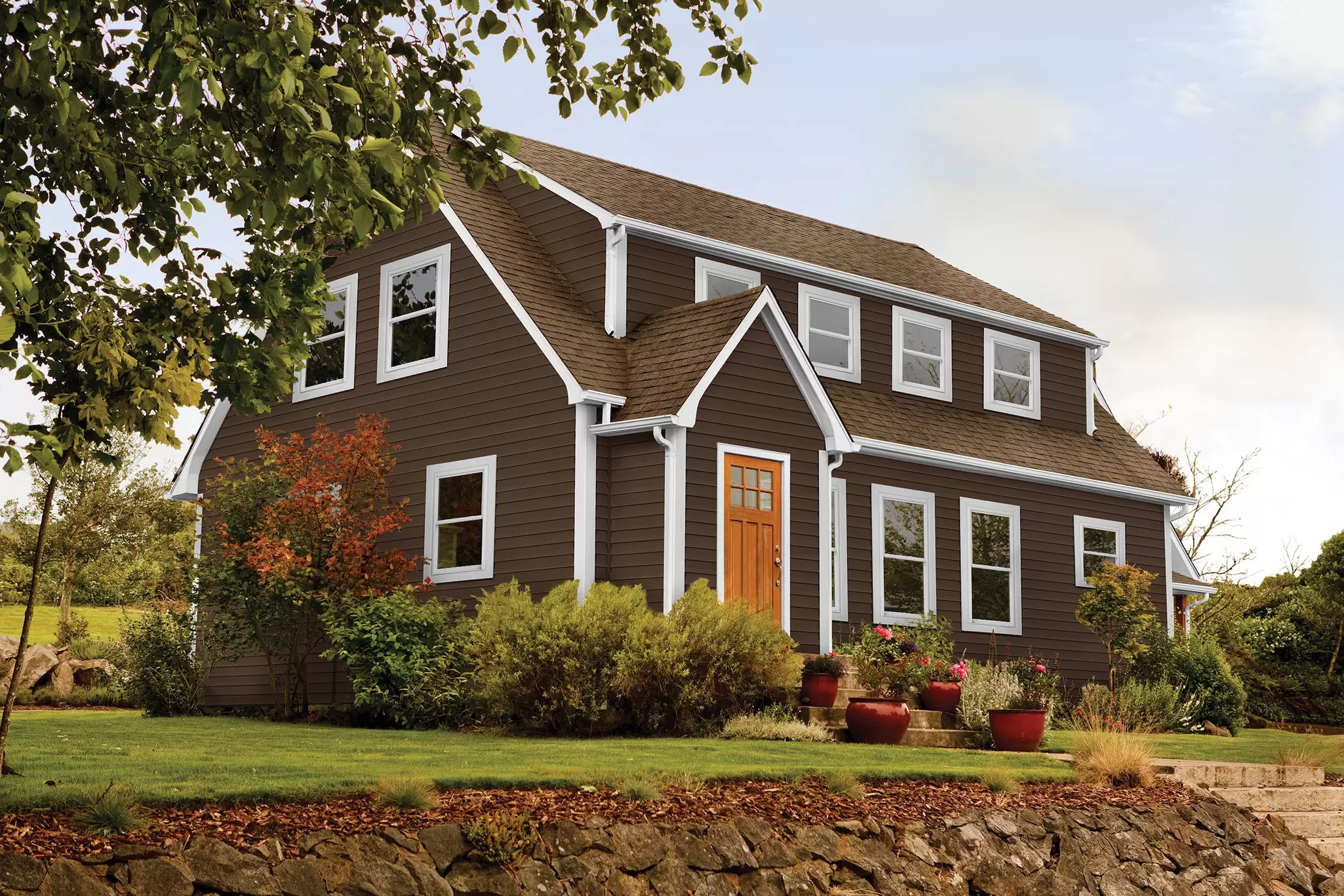
Exterior siding faces all kinds of changing conditions. That can mean strong summer sun, rain, humidity, freezing winter temperatures, and seasonal temperature swings. Over many years, that exposure can affect both the color and overall appearance of siding.
Here are some of the major contributors to your siding fading over time.
Sunlight and UV exposure
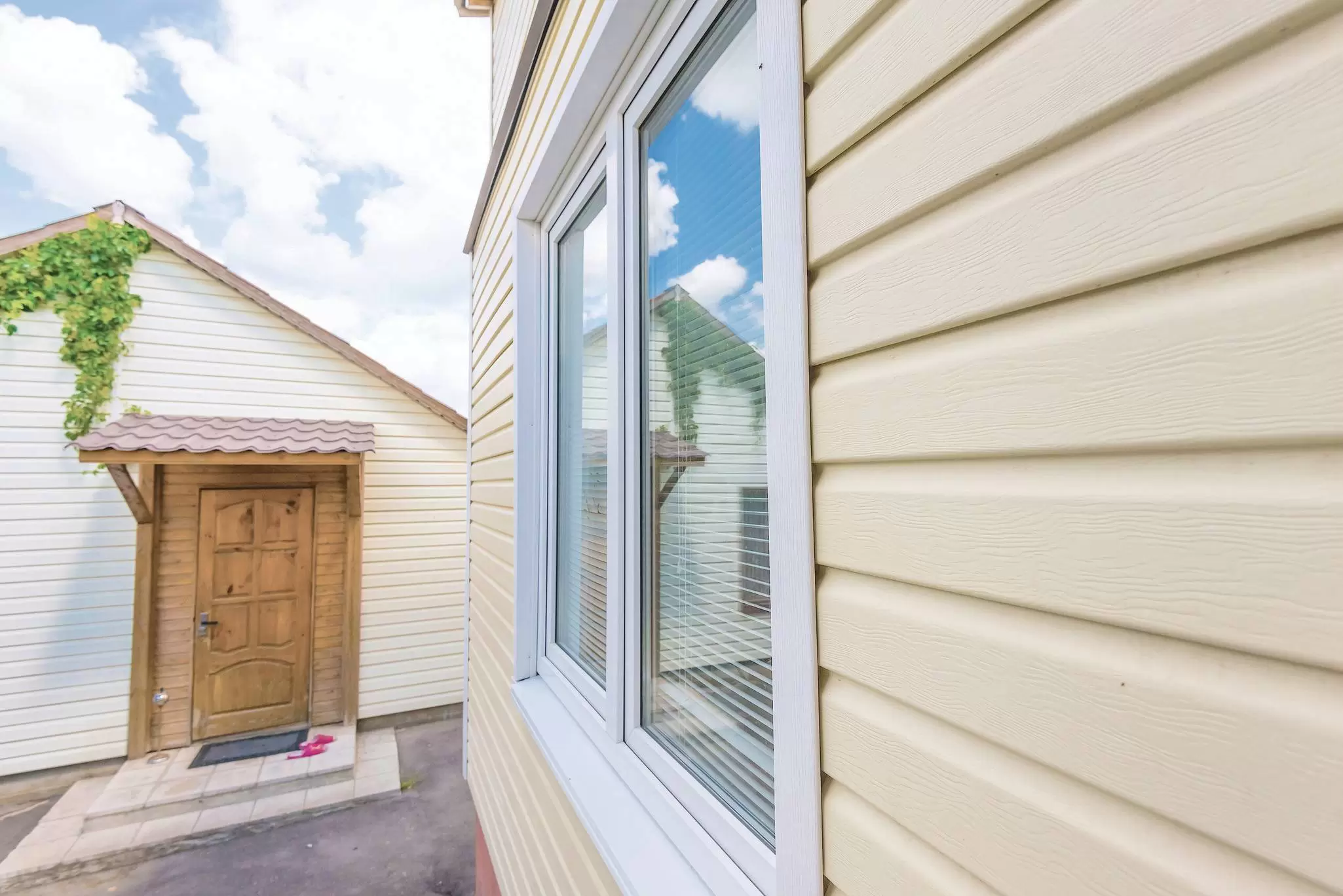
Ultraviolet rays are one of the primary causes of fading on exterior surfaces. Continuous exposure can gradually affect pigments, particularly on south- and west-facing walls that receive substantial sunlight throughout the day. Shaded areas may retain their original appearance longer, which can create noticeable differences across the exterior. Uneven fading may become especially apparent after removing shutters, moving outdoor furniture, or making other changes that reveal previously protected siding.
Weather and moisture exposure
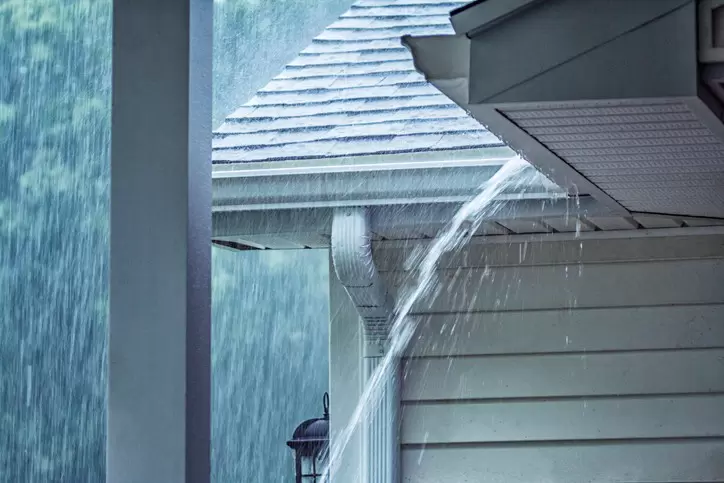
Rain, humidity, freezing temperatures, and seasonal temperature changes also contribute to siding's appearance over time. Moisture can create discoloration that resembles fading, while mildew, algae, dirt, and other buildup may leave the exterior looking dull or uneven. Before assuming the siding has permanently lost its color, it helps to determine whether the change is true fading or surface buildup that can be removed with appropriate cleaning.
How siding color affects fading
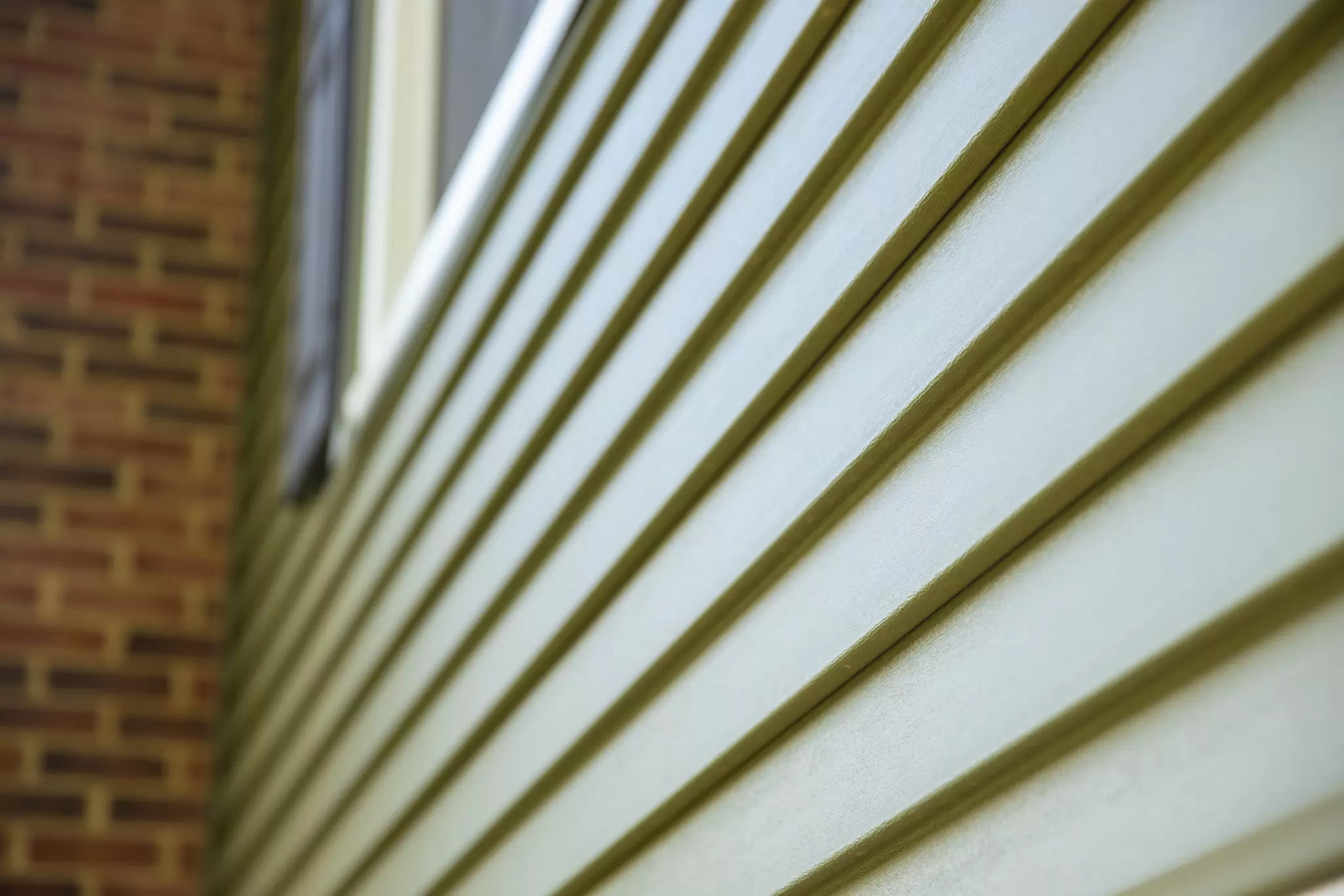
Siding colors can influence how noticeable fading becomes over time. Dark siding doesn't necessarily deteriorate faster simply because it's dark, but color changes may stand out more on deeper shades such as navy, charcoal, or dark brown than on lighter neutrals.
Darker surfaces also absorb more heat from the sun, which makes it important to choose colors and products designed for exterior use. Factors such as sun exposure, climate, and the siding manufacturer's specifications should all be considered when selecting a color.
Fortunately, today's siding is available in a wide range of shades designed to withstand regular outdoor exposure, giving homeowners more freedom to choose deeper colors without sacrificing long-term performance.
Siding quality can affect how long the color lasts
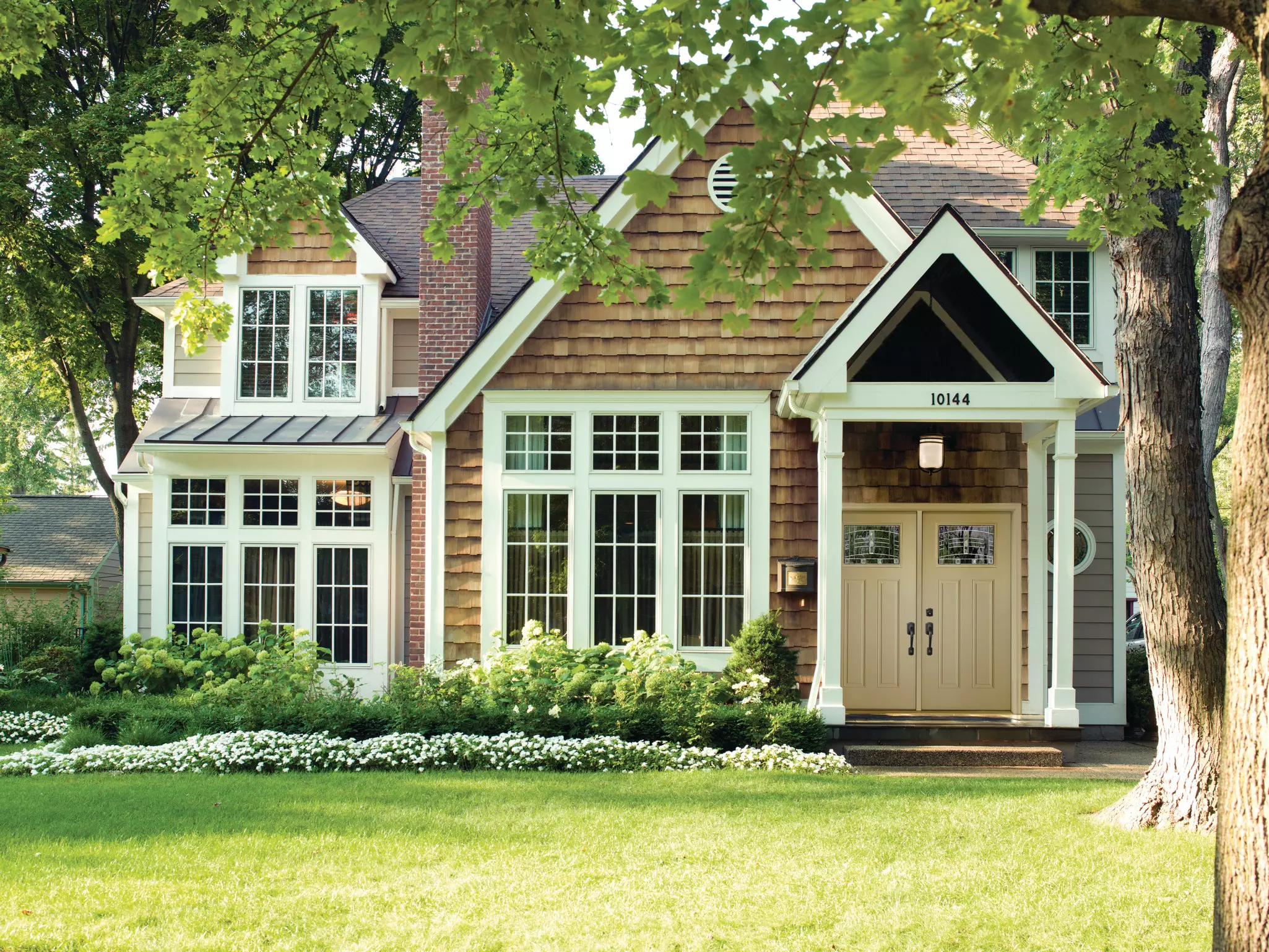
Not all siding is manufactured the same way. Differences in formulations, finishes, thicknesses, and other performance characteristics can influence how well an exterior maintains its color through years of sunlight and changing weather.
Fade-resistant siding is designed to hold its color longer. While no exterior material can be expected to look completely unchanged forever, choosing quality siding can help reduce noticeable fading and keep the home's exterior looking consistent over time.
Window World of the Tri-Cities offers several types of premium vinyl siding series as well as composite siding and fiber cement options, giving homeowners choices based on appearance, performance, and budget.
How to keep siding from fading in the sun
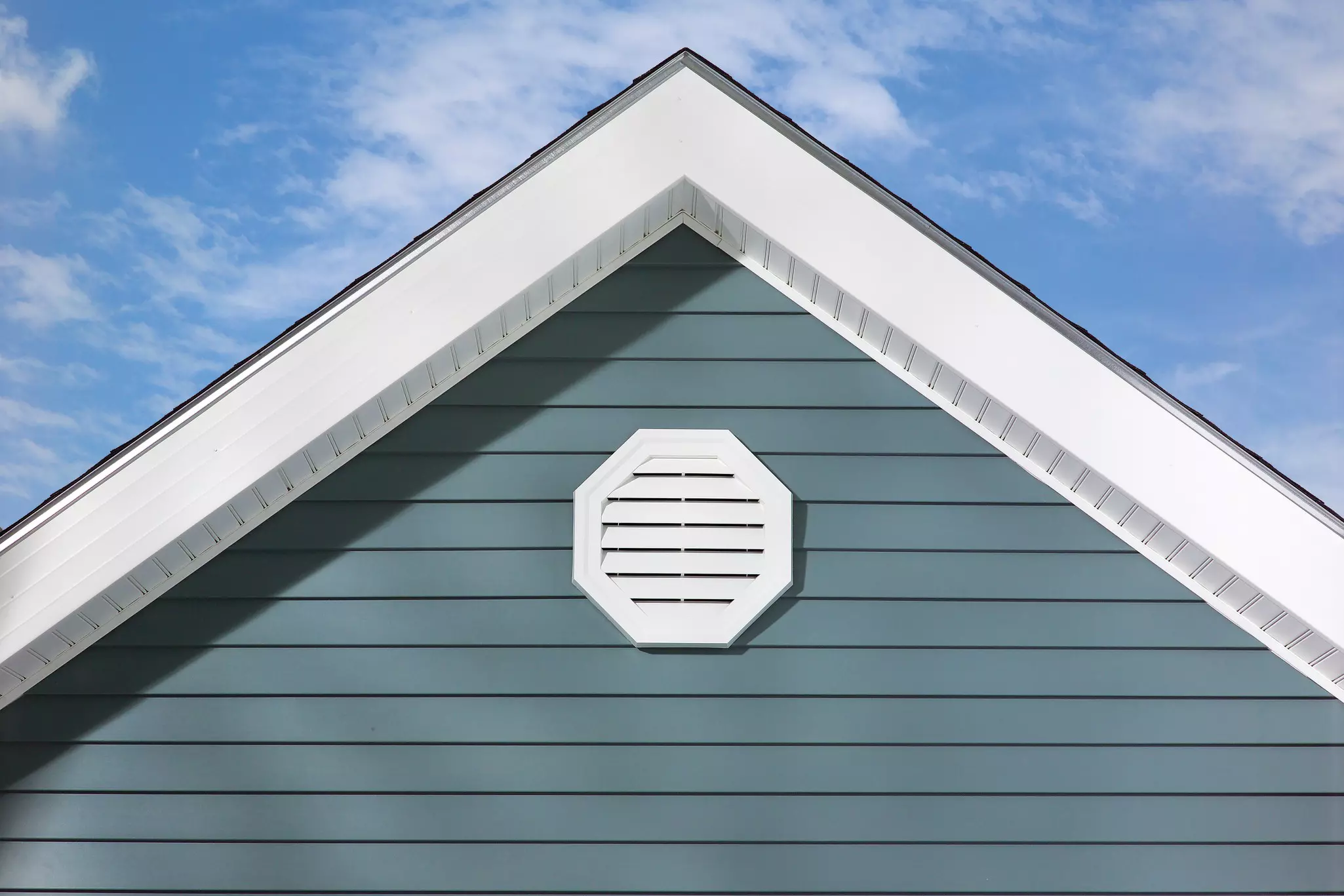
No homeowner can eliminate sunlight, but basic vinyl siding maintenance can help siding look its best for longer.
A few practical habits include:
- Wash away dirt, pollen, mildew, and other buildup periodically.
- Follow the siding manufacturer's recommended cleaning methods.
- Avoid abrasive cleaners or tools that can damage the surface.
- Address drainage problems that repeatedly direct water onto the siding.
- Inspect siding periodically for cracks, loose panels, warping, or other damage.
- Choose quality exterior products designed to withstand long-term weather exposure when replacement becomes necessary.
Trees and architectural features can provide some natural shade, but altering landscaping solely to protect siding usually isn't practical. The better strategy is choosing exterior materials made to handle the conditions they'll face.
How to clean siding without damaging it
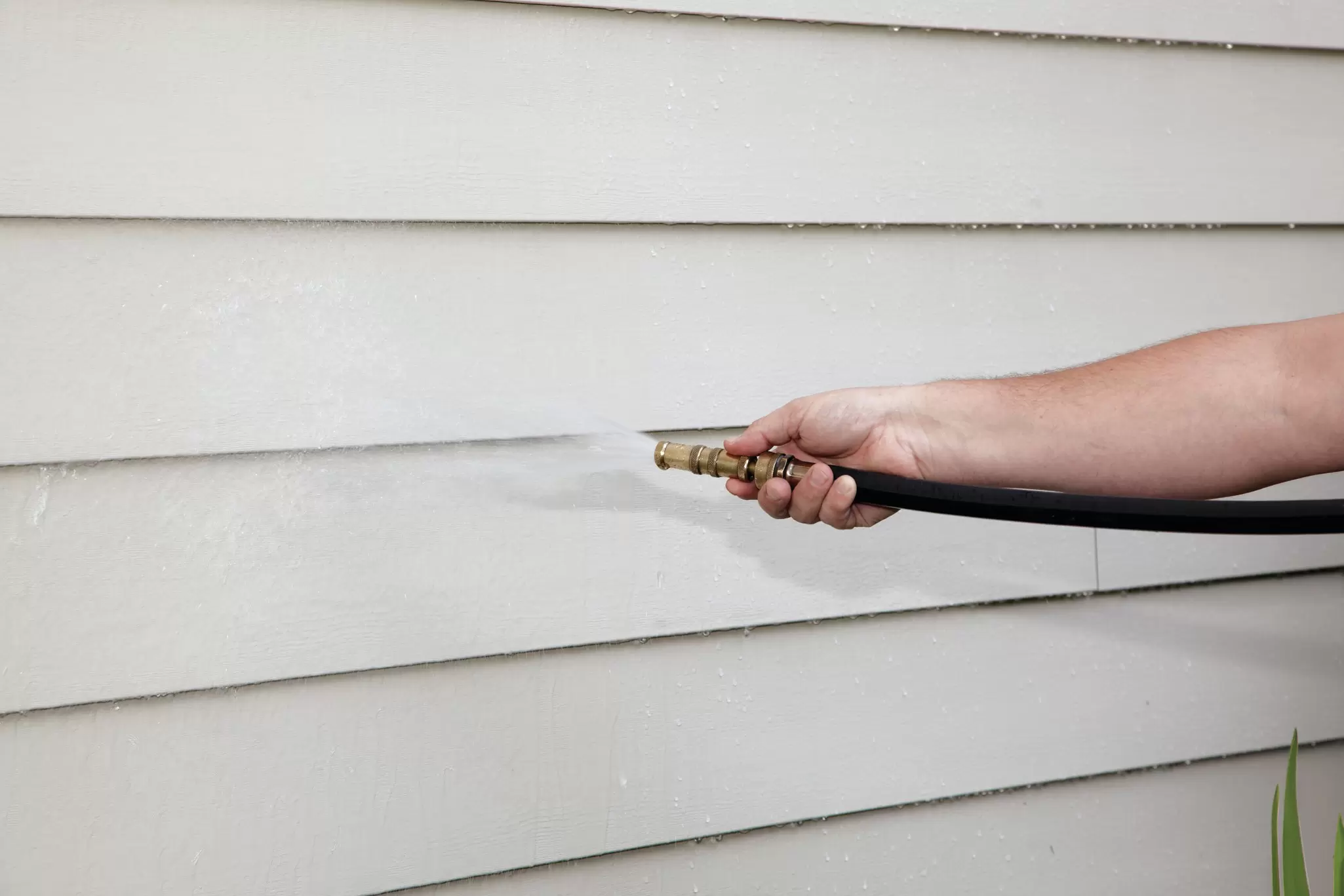
Sometimes the answer to "how to restore faded siding" is simpler than expected. What looks like fading may actually be a film of dirt, pollen, mildew, or environmental residue.
Gentle cleaning can often improve the appearance of vinyl siding. Start with the least aggressive method recommended for the material and avoid harsh chemicals or abrasive scrubbing that could affect the finish.
Pressure washing your siding also requires care. Excessive pressure or an incorrect spray angle can force water behind panels or damage parts of the exterior. Following manufacturer instructions, or having the siding professionally cleaned when necessary, is safer than attacking discoloration with the strongest cleaning method available.
Options for restoring faded siding
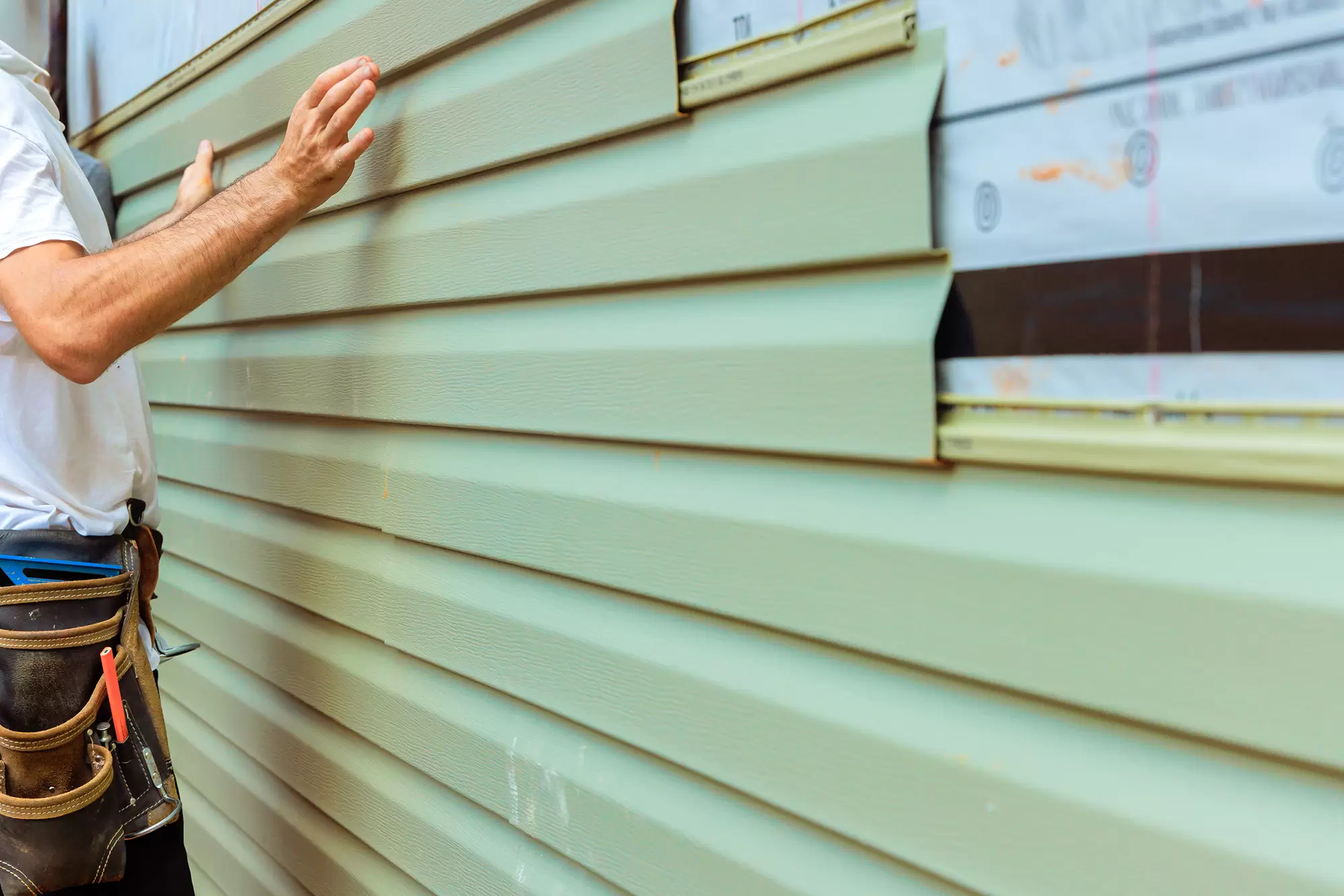
True fading is different from surface buildup. Cleaning can remove dirt, pollen, mildew, and other substances sitting on top of the siding, but it can't restore color that has changed because of years of UV exposure and weathering.
Painting may be an option for certain siding materials, but compatibility matters. The wrong type of paint or an unsuitable color can lead to problems with adhesion or heat absorption and may affect the manufacturer's warranty. Before painting, you should check the siding manufacturer's recommendations and make sure the existing material is still in good condition.
The age and overall condition of the siding should also factor into the decision to replace it. When fading is extensive and accompanied by other signs of deterioration, investing time and money into restoring the appearance may not make sense. Replacement can provide an opportunity to address aging siding while giving the home an updated color and exterior appearance.
When fading may signal a larger siding problem
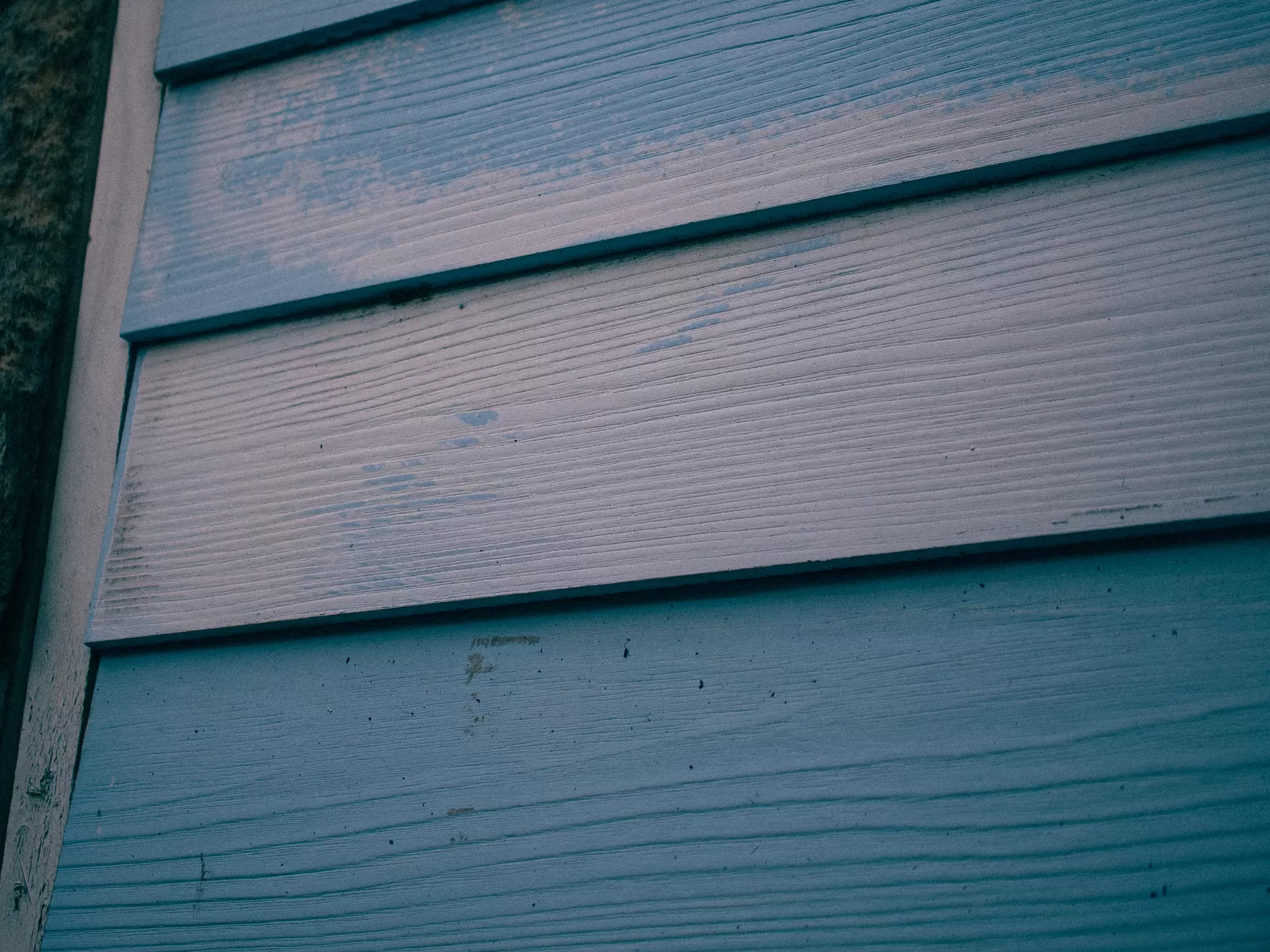
Color change alone doesn't necessarily mean siding has failed. An exterior can fade while continuing to protect the home, particularly after years of exposure to sunlight and changing weather.
However, noticeable fading can be a good reason to take a closer look at an older exterior. Check for cracks, warping, loose or damaged panels, and areas where siding appears to be pulling away from the home. Signs of recurring moisture, such as staining, mold, mildew, or soft areas around the exterior, also deserve attention.
Changes inside the home may provide clues as well. Moisture around walls or windows, unexplained drafts, or other comfort issues could indicate a problem that goes beyond the siding's appearance. These symptoms don't automatically mean the siding needs to be replaced, but they shouldn't be ignored.
Our professionals can inspect your exterior’s condition to help determine whether your siding is facing larger issues than simple discoloration. When siding is significantly faded and showing signs of age or damage, replacement may offer a more practical long-term solution than trying to improve its appearance alone.
Keep your home's exterior looking its best
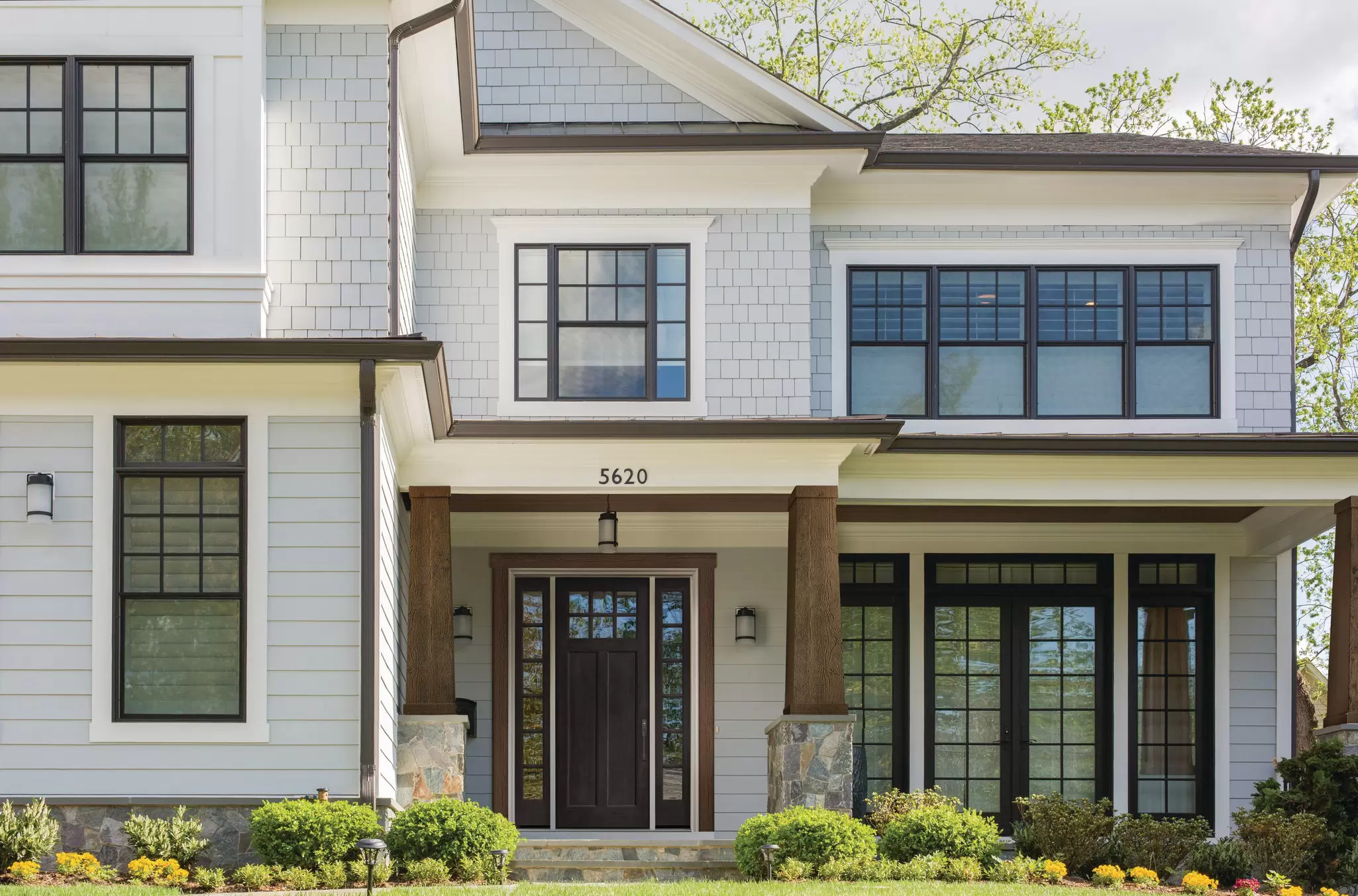
Siding can fade for several reasons, from years of UV exposure and changing weather to moisture and surface buildup. The color of the siding, quality of the material, and amount of direct sunlight an exterior receives can also influence how noticeable those changes become. Regular cleaning and maintenance can help preserve its appearance, but true fading caused by years of exposure can't always be reversed.
Fading alone doesn't necessarily mean siding needs to be replaced. However, when discoloration appears alongside cracks, warping, loose panels, moisture problems, or other signs of deterioration, it may be time to consider an exterior update.
Window World of the Tri-Cities offers replacement siding options for homes throughout Bristol, Johnson City, Kingsport, and surrounding communities. Explore available styles and colors or request a free estimate online to find siding that can give your home a fresh look and lasting protection.