

 Back to Blogs
What Are the Different Types of Window Warranties?

Investing in new and replacement windows is a big decision, and a reliable warranty can make all the difference in long-term satisfaction and protection. However, not all window warranties are created equal. Understanding what’s included in a window warranty – and what’s not – can help you choose the right product and installer with confidence.
Today, we’ll break down the different types of window warranties, what they typically cover, what red flags to watch for, and how to find the best window warranty for your home.
What do window warranties cover?
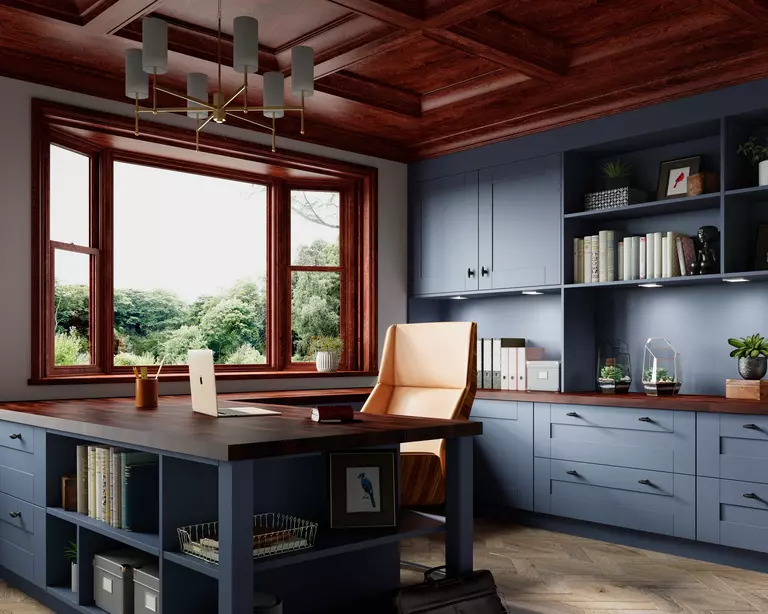
Window warranties are all meant to offer homeowners peace of mind by protecting their investments against defects or failures. But coverage can (and often does) vary depending on the type of warranty and the company offering it. Here are the most common things a warranty on windows covers.
Material defects
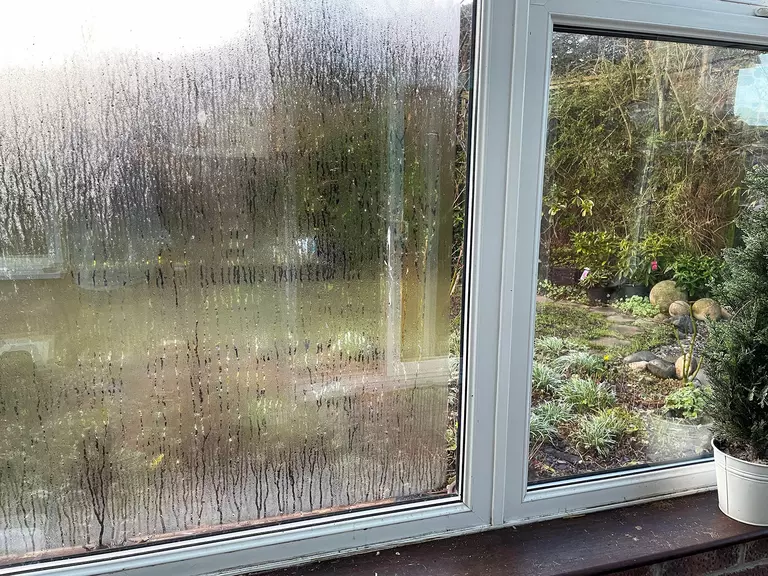
Most quality window warranties cover material defects – think things like warped frames, cracked glass (under certain conditions), seal failure in double- or triple-pane glass, or hardware that breaks under normal use. These issues are usually attributed to problems in manufacturing or materials, so they’re often covered under product warranties.
Workmanship errors

Workmanship defects are problems stemming from how the window was built. A sash that doesn't close properly or a factory-applied coating that peels prematurely might fall under this category. It's important to know whether your window brand includes workmanship in its standard warranty, since not all do.
Installation mistakes
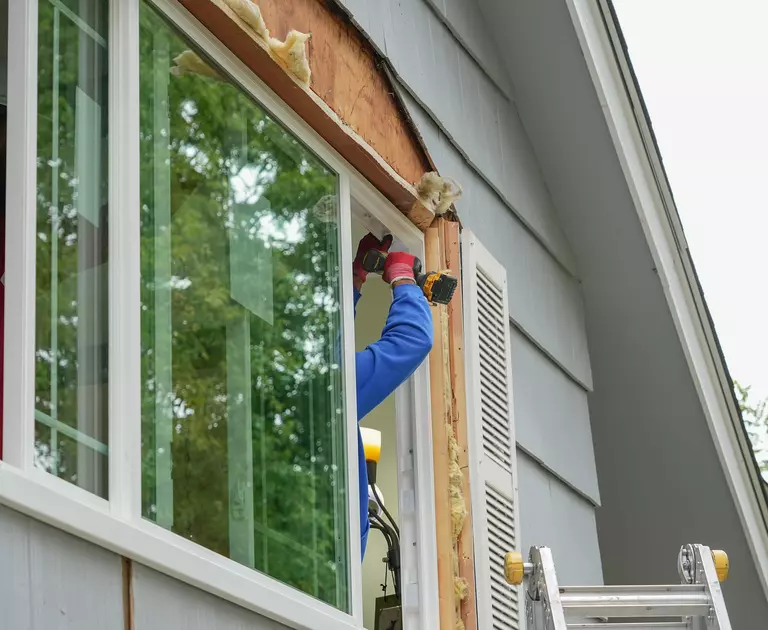
The window installation is just as important as the window’s material components. Even the best windows will underperform if installed improperly.
That’s why it’s essential to have a window installation warranty: a separate guarantee (often offered by the installer or contractor) that covers errors like poor flashing, misalignment, or incorrect sealing that lead to water intrusion or air leaks.
Accidental damage
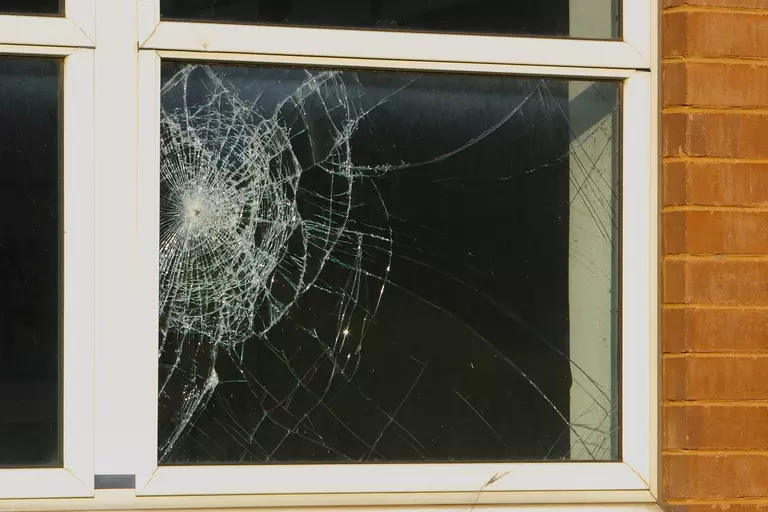
Some of the best window warranty options also include accidental glass breakage, which is especially valuable in homes with active kids, golf courses nearby, or storm-prone climates. These warranties are generally only available for certain window types or product lines, but they can save you major money if they’re available.
Window warranty types
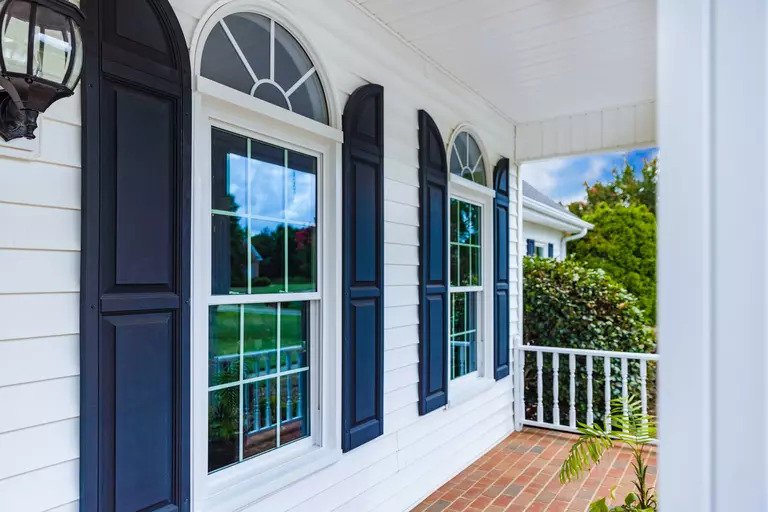
While nearly every window manufacturer offers some kind of warranty, the terms and timelines for their warranty coverage can vary widely. Knowing the distinctions between common warranty types will help you understand what kind of protection you’re actually getting from your window company.
Lifetime window warranties

A lifetime warranty on windows usually means that the product is covered for as long as the original purchaser owns the home. This type of warranty typically includes material defects, seal failure, and sometimes window hardware malfunction.
However, the definition of “lifetime” can vary, and the term can be misleading without reading the fine print. Always read your window warranty’s terms carefully!
Double lifetime warranties

Double lifetime window warranties extend coverage beyond the original owner to one subsequent homeowner, adding significant resale value to your property. Windows with lifetime warranties that transfer once are an excellent selling point for homes (since you can tell that to the future buyer of your home and, therefore, ask for a higher price!) as well as an indicator of the manufacturer’s confidence in their product.
Limited lifetime warranties
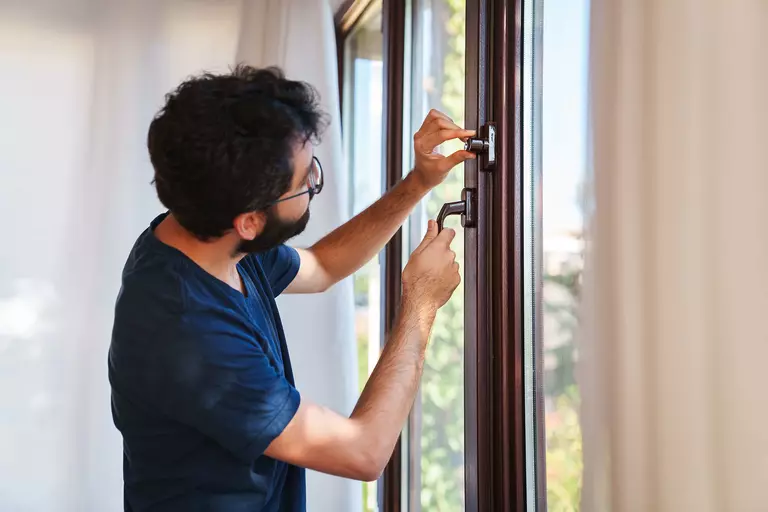
These are among the most common warranties. Limited lifetime warranties for windows typically cover major defects but place restrictions on coverage, such as by limiting the coverage duration for certain parts or excluding labor. For example, a seal might be covered for 20 years, but hardware might only be covered for 10. Limited warranties may also exclude installation unless otherwise specified.
Prorated warranties

A prorated warranty has reduced window coverage over time. For instance, in year one, a replacement might be free; by year ten, you may have to pay 50% of the replacement cost. These are less ideal for homeowners looking for long-term peace of mind but are sometimes used by lower-cost or value-tier brands.
What is the best window warranty for you?
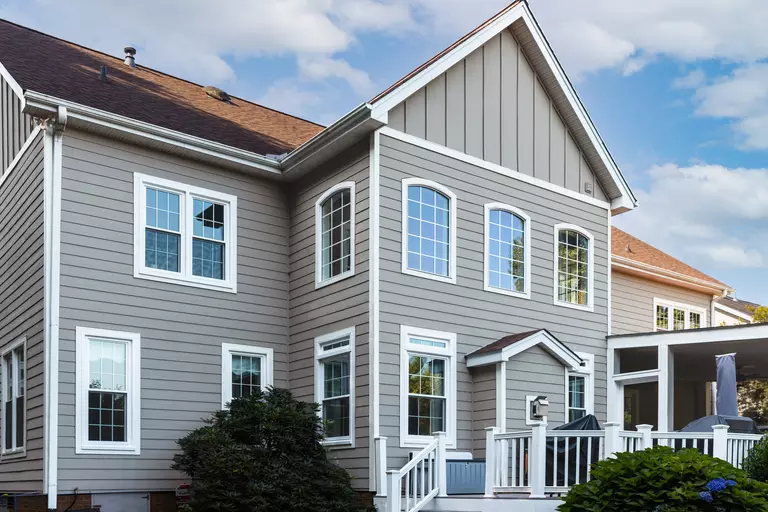
The best window warranty offers comprehensive coverage, transparency, and longevity. Ideally, it should cover material defects, workmanship, and installation, all while being transferable and non-prorated. Look for warranties that clearly define their terms and don’t rely on confusing legal language to bury limitations.
A top-tier warranty typically includes:
- Full coverage on frames, glass, and hardware
- Labor coverage for installation-related defects
- Transferability to at least one subsequent homeowner
- No prorating or hidden deductibles
Reputable exterior remodeling companies often pair their window warranties with professional installation and service guarantees. That gives you a more complete protection package – and that’s just one reason why Window World of the Tri-Cities is trusted by homeowners throughout northern Tennessee and southwestern Virginia.
Window warranty red flags to avoid

Even warranties that use the word “lifetime” can have loopholes. Some window warranty red flags to watch out for include:
- Unclear language. If the terms aren’t spelled out plainly, there’s usually a reason.
- Short labor coverage. Some companies cover materials for decades but labor for just one year.
- No coverage for seal failure. In double-pane or triple-pane windows, seal failure can lead to fogging and energy loss, so it’s important to get this possibility covered in your warranty.
- Fine print exclusions. Exclusions for “normal wear and tear” or “acts of God” are common, but if they’re overly broad, you could be left unprotected.
- Transfer restrictions. If a warranty ends as soon as you sell your home, its value to you and future owners drops considerably.
- Non-certified installers. Warranties might be voided if you don’t use approved or certified contractors.
The bottom line? Make sure to ask for a copy of the warranty in writing before purchase and compare it to others in the industry. A great product backed by a poor warranty is a risky investment.
Get excellent windows and warranties at Window World of the Tri-Cities
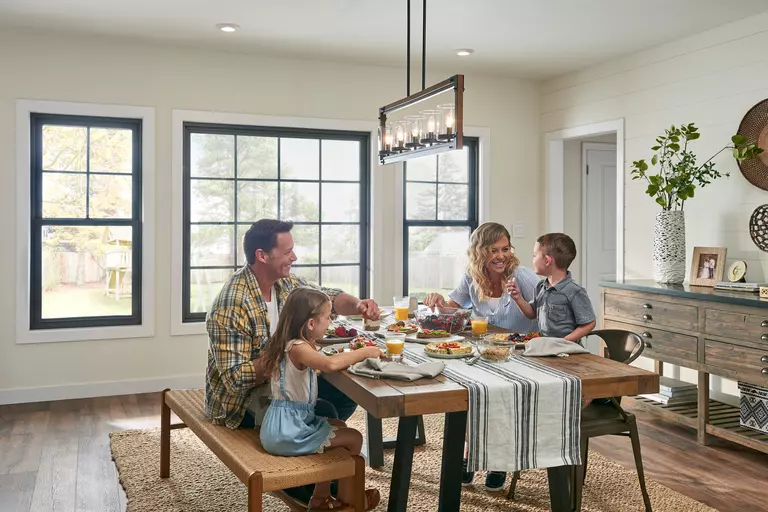
In many cases, the best window installation professionals also offer the best warranties. That’s the case at Window World of the Tri-Cities, and it’s why you should trust us for your next window renovation.
Our windows come with limited lifetime warranties that cover parts, hardware, and insulated glass seal failure. On top of that, this warranty is transferable to a second homeowner, and we offer a two- or five-year labor warranty, ensuring your new windows will be installed properly by our certified professionals. That collectively makes it one of the strongest warranty packages available today.
Most importantly of all, we don’t use unclear language and are happy to let you read all the fine print. Get started today with a free quote or call us at 423-212-2573 to request your no-obligation consultation!