

 Back to Blogs
Water Damage Prevention Tips You Need to Know
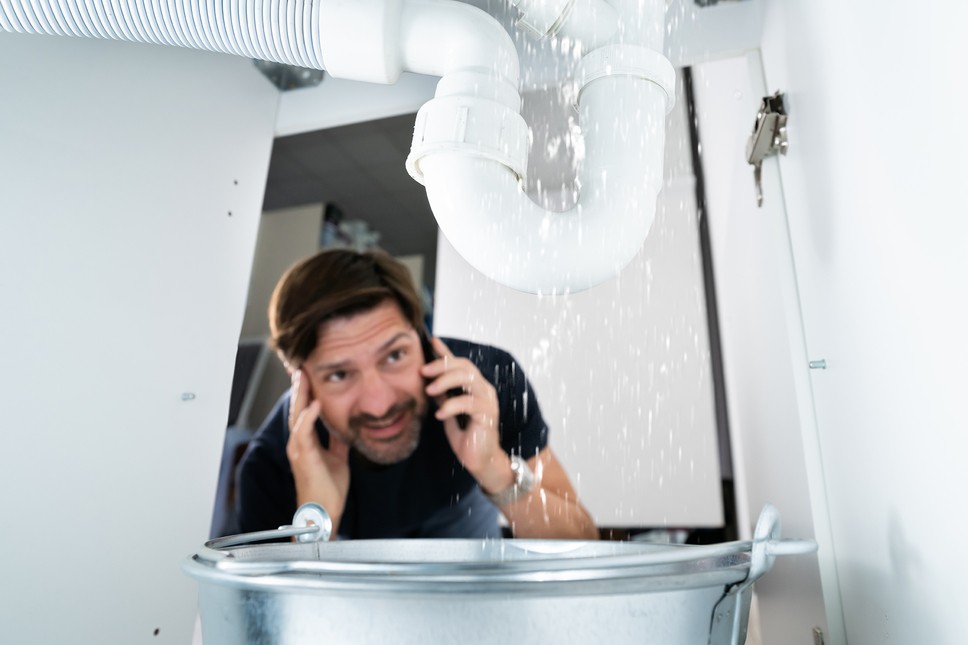
For many Tri-Cities homeowners, nothing’s as worrying as the telltale drip, drip, drip of a leaky faucet or roof. That’s because they know water damage can occur suddenly or progressively over time. In both cases, knowing how to spot and protect your home from water damage is vital. The last thing you want to have to do is replace your roof or completely remodel the bathroom, after all.
Fortunately, you can minimize the likelihood of ever having to foot the bill for expensive water damage with a few preventative strategies. Read on to discover how to prevent water damage in your home!

Watch your water bill
The first thing on your water damage prevention to-do list? Check your water bill. Just like your utility bill might give you a hint that your windows are drafty, your water bill might tell you there’s a serious leak you need to check out and plug up if it’s inexplicably higher than normal.
Indeed, a higher-than-average water bill could be due to a variety of problems like:
- Water leaks inside the home, like leaky faucets or leaky sewage piping
- Leaks outside, especially if you use automatic sprinklers for your lawn
- Problems with a water-cooled AC unit
Check for water leaks regularly
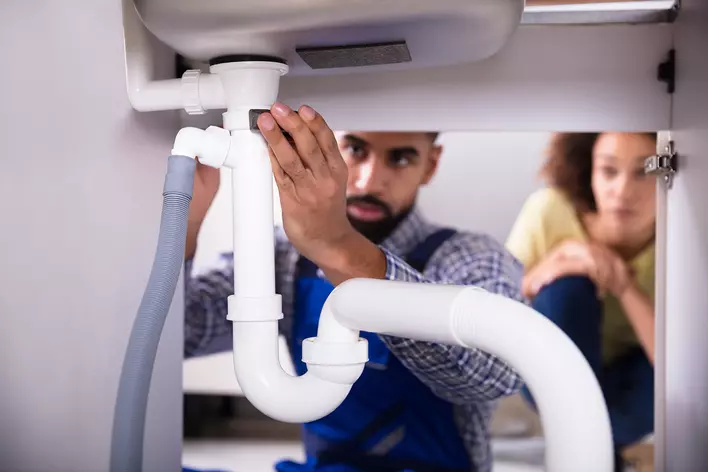
Whether your water bill is draining a hole in your wallet or not, you’ll still want to examine your property and check for water leaks from time to time. Plumbing leaks can cause widespread water damage throughout your Tri-Cities home, especially if they go on for weeks or months without being repaired.
The most important places to check include:
- Sinks
- Toilets
- Washing machine
- Showers and bathtubs
- Water heater
- Dishwasher
- Ice maker
See a leaky spot, like a puddle underneath the bathroom sink? Break out your wrench and get to work or call an expert to investigate the problem and plug up the leak.
Know the common signs of water damage
But not all home water damage comes from your home’s internal water system or piping. As many Tri-Cities homeowners know, frequent rainstorms or heavy snowfall can also lead to leaks in the roof or water spreading into the walls.
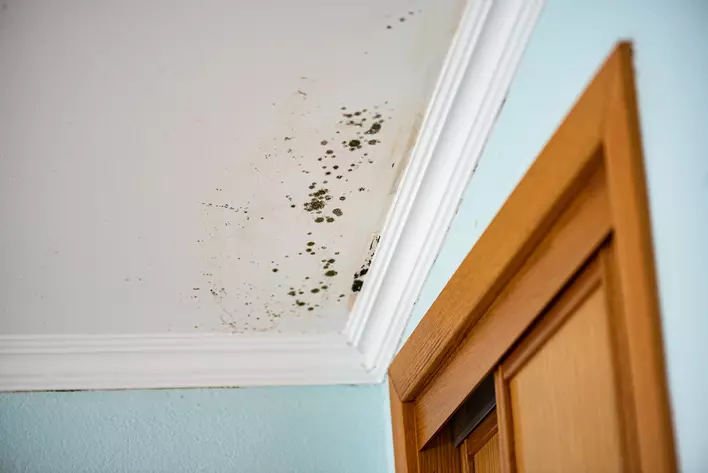
So, it’s always good to know how to spot the most common types of water damage and their signs. Small pools of water or puddles are, of course, the equivalent of giant red flags – they indicate that someone needs to head up to the roof and investigate the matter. But you might also notice signs of water damage to your home like:
- Mold anywhere in the home, but especially on the walls or near leaks/holes in the roof
- Water pooling on the windowsills
- Wet spots or stains on the ceiling or on the walls
Once you notice a sign of water damage, you can take steps to fix the issue by hiring an expert or tackling it yourself. In any case, protecting your home from water damage starts with noticing that there’s a problem in the first place.
Make sure your sump pump is working!
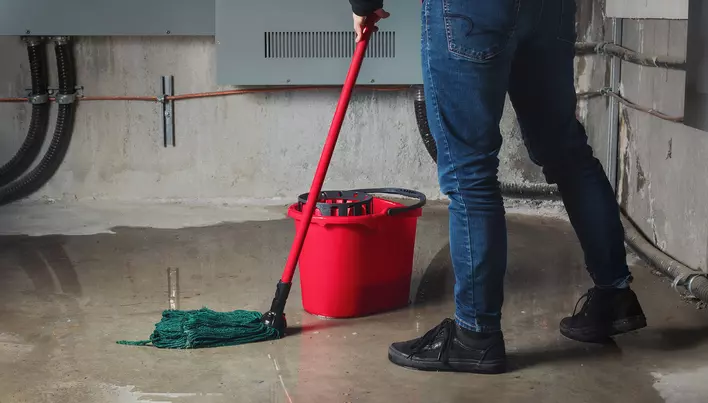
Does your Tri-Cities home have a basement? Odds are, it also has a sump pump, which plays a key role in preventing your basement from flooding. As you check for signs of water damage in your basement, spend a few minutes examining your sump pump and making sure it’s in working condition.
If it's not, replace it ASAP! Otherwise, you might head downstairs to tackle a load of laundry, only to find that your sump pump gave up some time ago and your basement is now flooded with an inch or two of water.
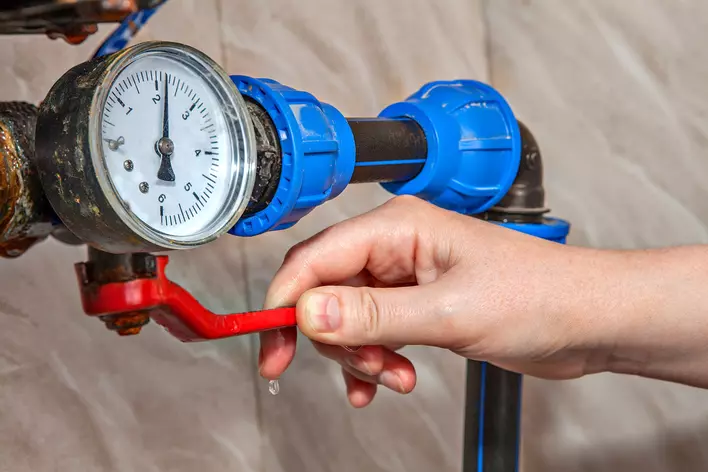
Attach a water pressure gauge
As temperatures drop precipitously in the fall and winter, the pressure in your home’s water system can increase to dangerous levels. Ice may freeze the pipes under the ground or in the walls, leading to potential pipe leaks or bursts.
A big water damage prevention tip is to attach a water pressure gauge to any faucet in your yard – you can get one from most hardware stores. Turn the faucet on all the way to take a water pressure reading.
See a reading of more than 100 psi? It's time to purchase a pressure regulator. Think of a pressure regulator as a valve that can decrease water pressure in your water main, ensuring that any water in your home’s pipes is at a safe pressure level. This preventative step will only take an hour or so, but it could save you hundreds or thousands of dollars in damage!
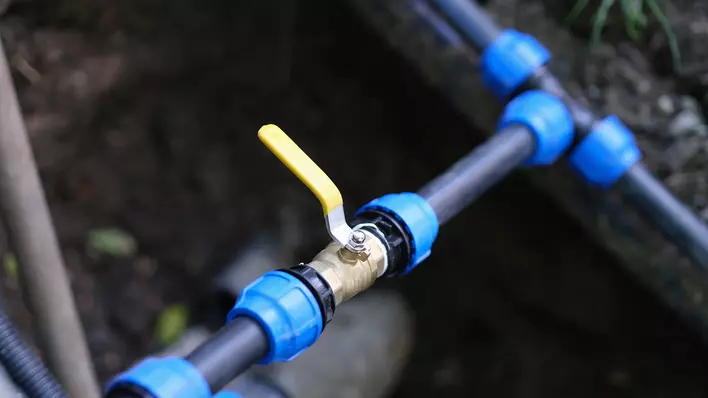
Know where the water main is – and how to shut it off
Your house’s water main is the central conduit through which your entire property gets water. Water comes into your house via the water main, so it’s the one place where you can arrest water flow in your home if there’s a major leak or pressure issue.
Everyone in your house needs to know where and how to shut off the water supply, including the kids. Depending on your water main’s design or model, this could be as simple as pressing a few buttons or tightening a valve. Whatever the case may be, knowing this could help you avoid a water-related disaster!
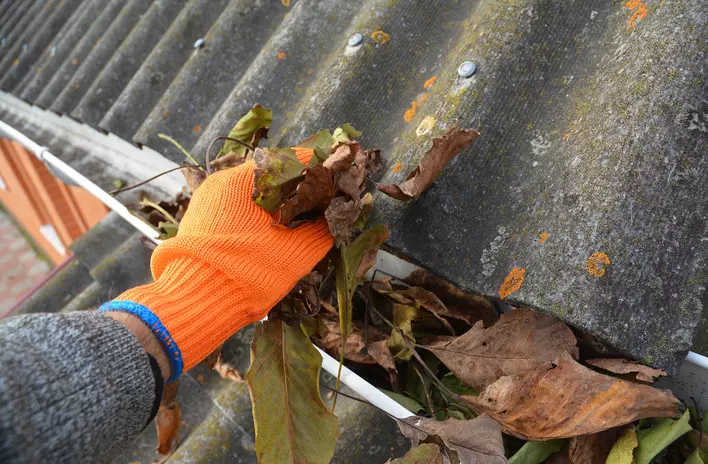
Clean your gutters
The gutters surrounding your home’s roof perform a critical job by funneling water and snow off the roof – where it could pile up and cause leaks – and away from your home's foundation. But no gutter system is invincible. Over time, your gutters can become clogged with debris like sticks and leaves, animal nests, and even ice dams in the fall and winter.
To keep your gutter system clean and ensure that it functions smoothly, make it a habit to head up top with a ladder and examine the gutters yourself once a month. If you see debris blocking your gutters or clogging things up, clean them with soap, water, and a shop vac with a long hose or a durable brush.
Don’t forget to check the downspouts, as well – any blocks preventing water from leaving the gutter system should be cleared away quickly. And, while you’re at it, consider installing a capable gutter guard, like Leaf Relief, to keep your gutters secure and debris-free throughout the season.
All in all, protecting your home from water damage is a matter of making sure you have the right preventative habits in place and understanding important indicators on how to prevent water damage, especially during the rainy parts of the year or the weeks leading up to winter snowstorms.
If your home isn’t quite as fortified against wet weather as you’d like, Window World of the Tri-Cities can help. Our knowledgeable experts can help you find everything you may need, ranging from gutters to roofing solutions and more. Get in touch today or visit our showroom to learn more!