

 Back to Blogs
Mold on the Siding of Your House: How to Remove It for Good
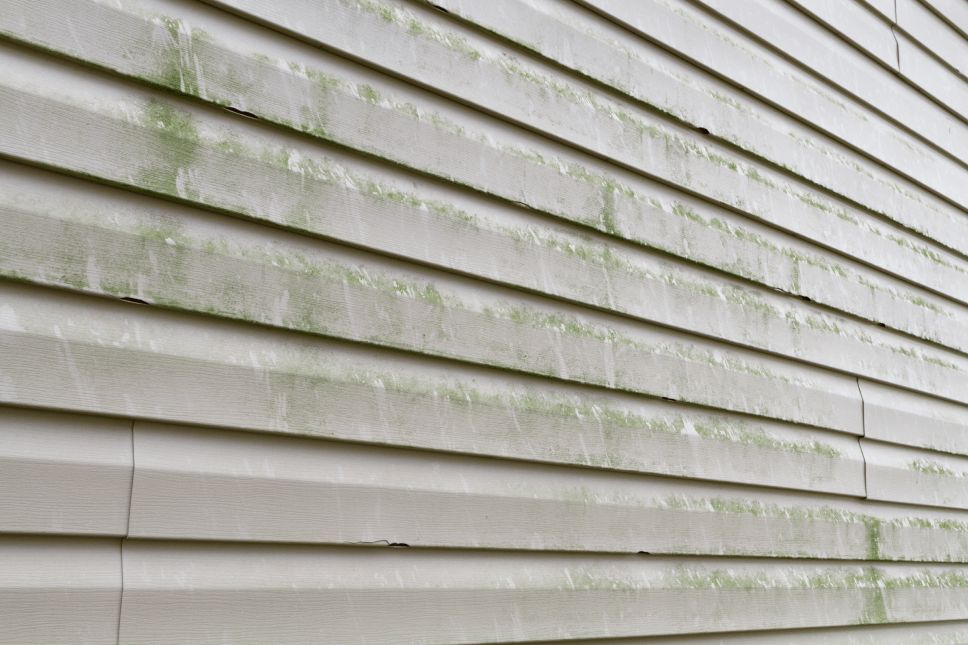
Mold on the siding of your house isn’t only an eyesore – it can also lead to long-term damage and potential health concerns. If you’ve noticed black, green, or brown mold patches forming on your home’s exterior siding, it’s time to take action. In this guide, we’ll cover what mold looks like, why it forms, how to remove it effectively, and how to stop it from coming back. You can also connect with our residential siding experts serving northern Tennessee about how to stop moisture-related issues from impacting your property’s appearance and health. Get in touch online for help today.
What does mold on exterior siding look like?
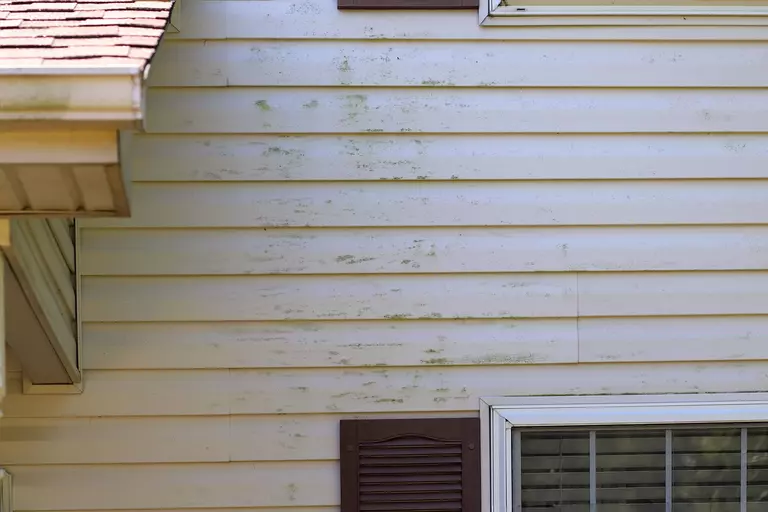
Mold and mildew growth are tough, tenacious opponents for many Tri-Cities homeowners, and that’s partially because they come in a variety of forms. Mold on the siding of your house can look drastically different depending on its type and how long it has been growing.
Still, you can usually spot mold growth on your home’s exterior from its common signs, which include:
- Black streaks or spots: Often mistaken for dirt, black mold outside the house typically forms in damp, shaded areas.
- Green or brown patches: These could be mold, mildew, or algae, which thrive in moisture-rich environments.
- Powdery or fuzzy textures: Some mold species have a more textured appearance, similar to dust or cotton.
You might find that mold is more likely to grow on your home’s north-facing side due to shade, poor drainage, or humid weather conditions. But keep in mind that it can pop up anywhere, so checking your siding periodically for mold (and other kinds of damage) is a good idea.
Is mold on siding dangerous?
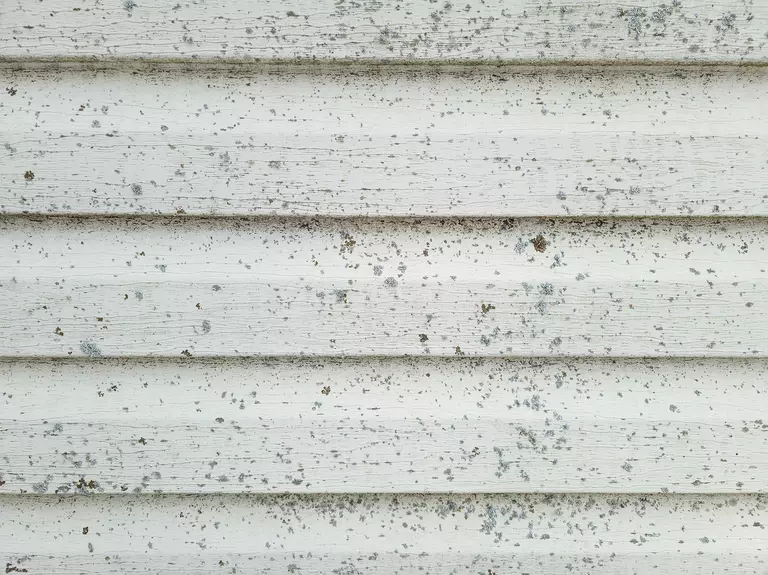
For homeowners and residents, mold is almost always hazardous to health. Mold spores can enter your lungs, irritate your skin, or lead to other complications if you’re exposed to them for too long.
While mold on siding isn’t as hazardous as indoor mold, it can still pose risks. Certain mold types, such as black mold, release spores that may contribute to allergies, respiratory problems, or asthma flare-ups. Additionally, unchecked mold growth can lead to siding deterioration, weakening the material over time – making it bad for your home and your health alike.
The bottom line? If you see any mold outside your house, it’s best to remove it promptly to protect both your home’s structure and your family.
Causes of mold on the siding of your house
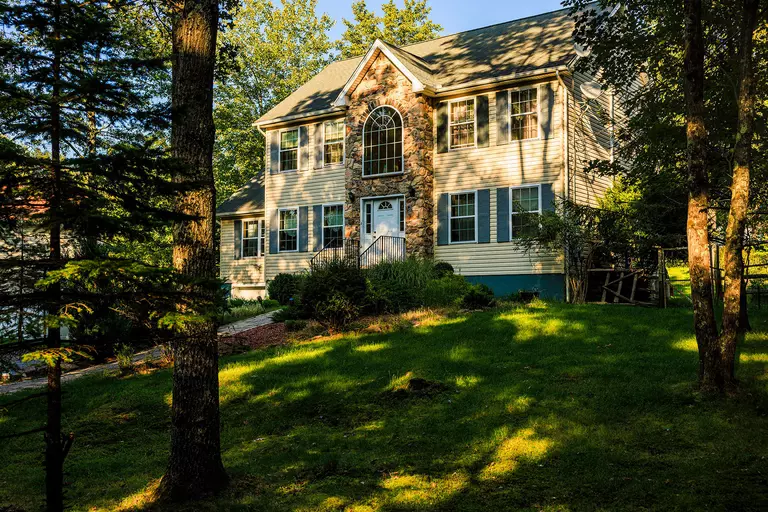
Mold thrives in damp, humid environments, and some factors that may contribute to its growth on siding include:
- Excess moisture: High humidity, frequent rain, and poor drainage create the perfect conditions for mold – that’s why you’re more likely to see mold appear in summer as opposed to winter in the Tri-Cities area.
- Lack of sunlight: Shaded areas of your home dry more slowly, allowing mold to flourish.
- Clogged gutters: Overflowing gutters cause water to run down your home’s siding, keeping it wet for extended periods.
- Dirt and organic debris: Mold feeds on organic material, so dirt, pollen, and tree sap stuck to siding can encourage mold growth.
Understanding these causes can help you take proactive steps to prevent mold from returning. For instance, you can install better gutters or attach gutter guards, which can help prevent debris buildup and keep your gutters flowing freely.
How to get rid of mold on your house’s exterior
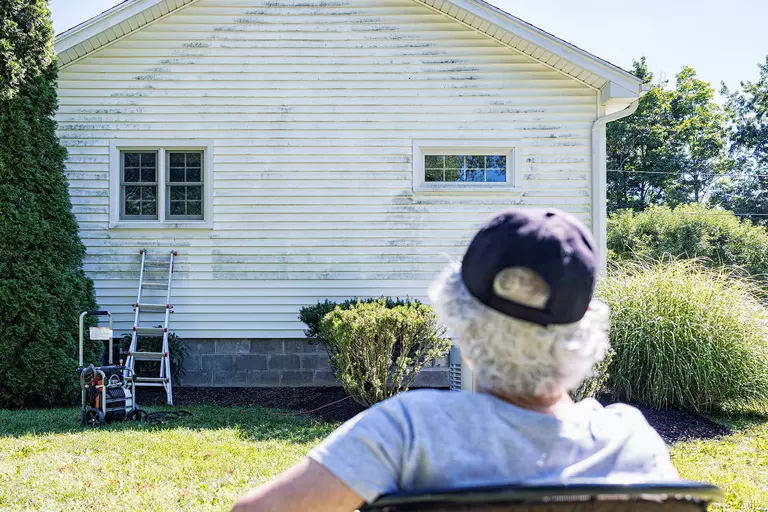
Once mold appears, however, you need to know how to remove it before you can take steps to prevent its return. Luckily, mold removal is a task anyone can tackle with the right tools and steps.
Gather your materials
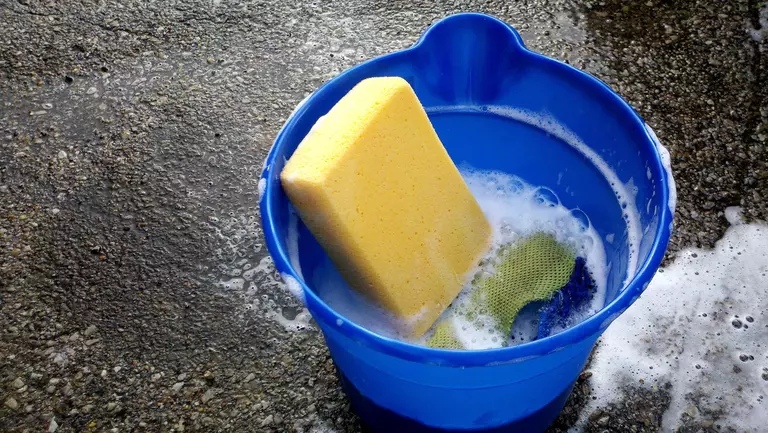
Before you start cleaning, collect a handful of necessary supplies:
- A bucket (fill it with warm water)
- White vinegar or a mold-killing cleaner, such as oxygen bleach
- A soft-bristle brush or sponge
- A garden hose or pressure washer set to a low setting
- Protective gloves and eyewear (to prevent mold blasted off the siding from affecting you)
- A mask, preferably one you can fit tightly to your face
Avoid using harsh chemicals like chlorine bleach on certain types of siding, as they can cause discoloration or damage to your home’s exterior or the land surrounding it.
Scrub and rinse
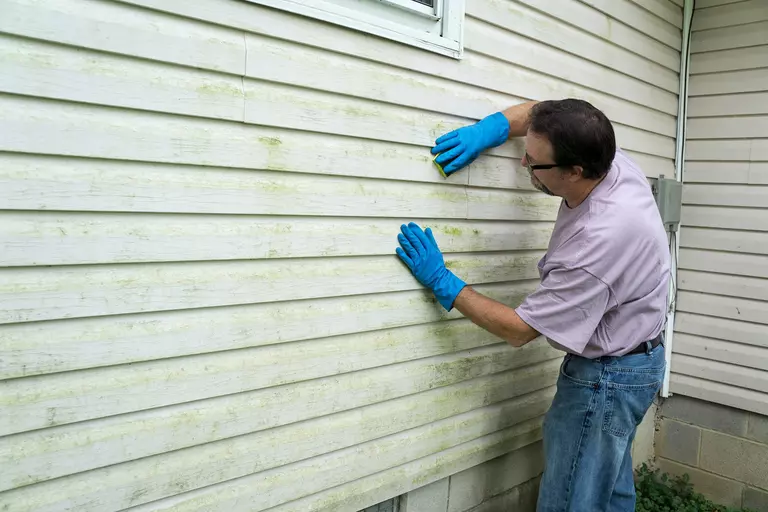
Once you’ve got your gear, it’s time to get to work. Here’s what to do:
- Apply the cleaning solution. Mix equal parts water and white vinegar (or use a commercial mold cleaner) and apply it to the affected area with a sponge or brush. Let it sit for 10-15 minutes to break down the mold.
- Scrub gently. Using a soft brush or sponge, scrub the mold off the siding. Be careful not to use excessive force to prevent damage.
- Rinse thoroughly. Use a garden hose or a pressure washer on a low setting to rinse the area. Ensure all cleaning solution is washed away to avoid residue buildup.
If the mold hasn’t yet penetrated deeply into your home’s siding, this washing sequence should be enough to scrape it all away.
Preventing future mold growth
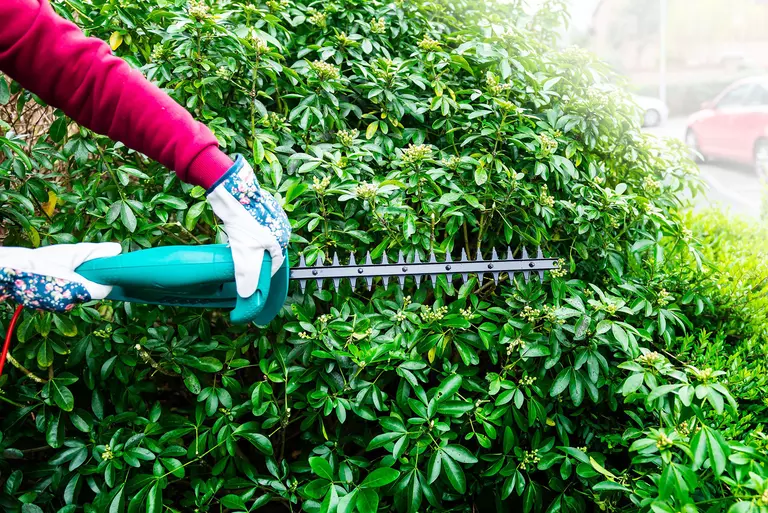
Once your siding is clean, you’ll want to make sure the mold can’t come back with a couple of preventative tricks:
- Trim back vegetation. Keep bushes, trees, and vines trimmed to allow better airflow and sunlight exposure.
- Clean the gutters regularly. Ensure your gutters are free of debris to prevent water from spilling onto the siding. If they keep getting clogged, gutter guards might be an effective fix.
- Wash siding annually. A gentle cleaning once a year can remove dirt and organic material that mold feeds on, reducing the chance of an outbreak occurring.
What if the mold is getting behind the siding?
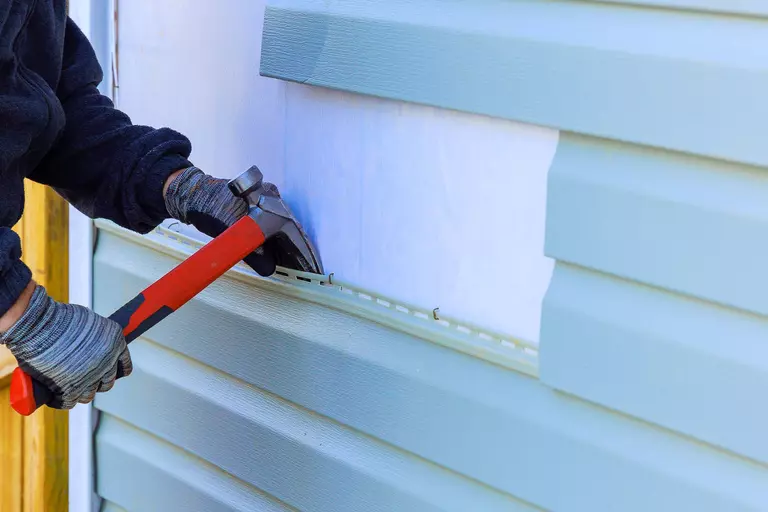
If water has penetrated behind your home’s siding, surface cleaning of mold won’t be enough – the siding panels will likely be compromised and need replacing. In this case, you may need to:
- Inspect for leaks or water damage behind the siding. Depending on the extent of the damage, greater repairs might be required to address water stains.
- Remove and replace sections of affected siding if necessary.
- Consult a siding or exterior renovating expert if the problem is extensive or recurring.
Mold trapped inside your siding can lead to structural damage and indoor mold problems, so it’s best to address it promptly. In all, taking care of mold on your home’s exterior not only improves curb appeal but also helps maintain the longevity of your siding.
Siding damaged by water intrusion or mold growth? Contact us.
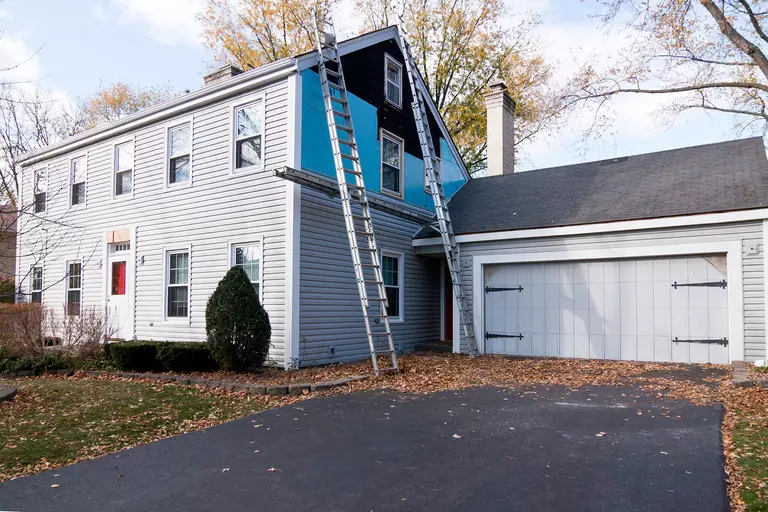
If your home needs new siding because of mold, think of it as an opportunity. New siding can reinvent your home’s look, elevate its curb appeal and energy efficiency, and provide your family with greater comfort for years to come.
At Window World of the Tri-Cities, we offer quality vinyl siding engineered for performance and aesthetic excellence. Whether you’re looking for cost-effective siding that safeguards against mold growth or top-notch Everlast siding that mimics the look of authentic cedar, our home remodeling experts in Bristol, TN, can help you from consultation to installation. Request a free estimate today to get started or call 423-212-2573 to speak with us directly!