

 Back to Blogs
How to Prevent Condensation on the Inside of Windows

Foggy windows are no fun. Window condensation stops you from seeing outside, prevents natural light from warming and illuminating your home, and can even lead to the growth of mold or mildew, both of which thrive on cool, wet surfaces like foggy windows.
Condensation on the inside of windows is much more common in winter, but there are ways to prevent it. Today, let’s explore some key condensation prevention tips and tricks you can use for your Tri-Cities home. If you have questions about your problematic windows, reach out online to Window World of the Tri-Cities for an expert consultation.
The cause of condensation on windows
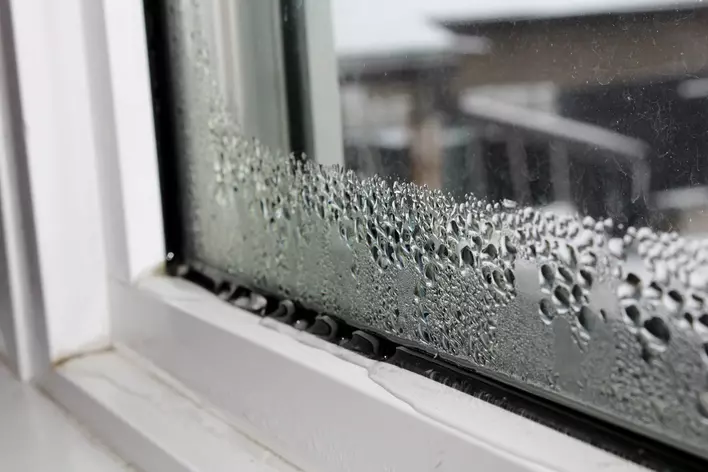
In a nutshell, condensation is a process by which microscopic water particles in the air coalesce and settle on a cool surface. Condensation is very common on house windows since their glass surfaces are (usually) much colder compared to the insulated walls of a given home, leading to water droplets building up on the window glass.
You might notice that window condensation is more common in the winter compared to other seasons throughout the year. But why?
Odds are you keep your home at a warm, comfortable temperature throughout the winter months. But that means the air inside your home is much more humid (so it contains more water) compared to the air outside. Since it's cold outside, your windows' surfaces feel chilled – and the humid air of your home, constantly flowing onto those windows, deposits some water content constantly. This means condensation occurs because you’re keeping your home at a comfortable temperature!
Other activities or conditions can also lead to foggy windows in the winter, like cooking or using a humidifier. Drafty windows are also more likely to see high levels of condensation since they’ll draw warm, humid air toward their leaks or cracks, meaning there’s more opportunity for that humid air to bump into the cool glass surfaces.
In any case, the result is the same: foggy windows you can scarcely see out of.
Seven ways to prevent foggy windows in winter
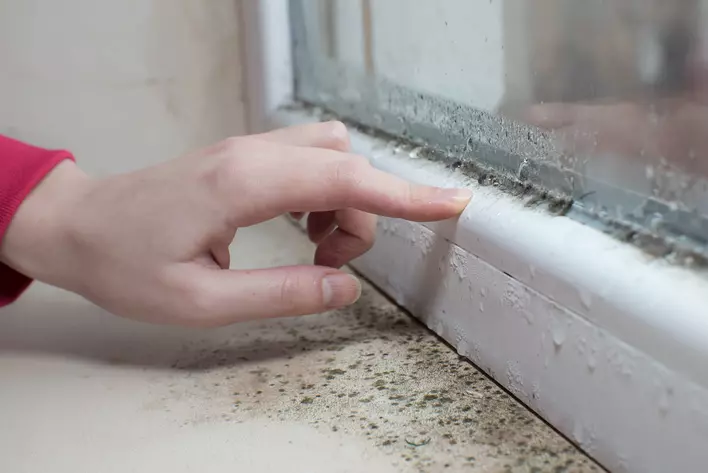
The last thing you want to do is let foggy windows stay foggy. Left unchecked, foggy windows can become optimal environments for mold, which can lead to respiratory problems and an eyesore for you and any guests.
To keep your windows crystal-clear and safe for your family, try using these seven condensation-prevention techniques.
1. Buy and use a dehumidifier to prevent foggy windows
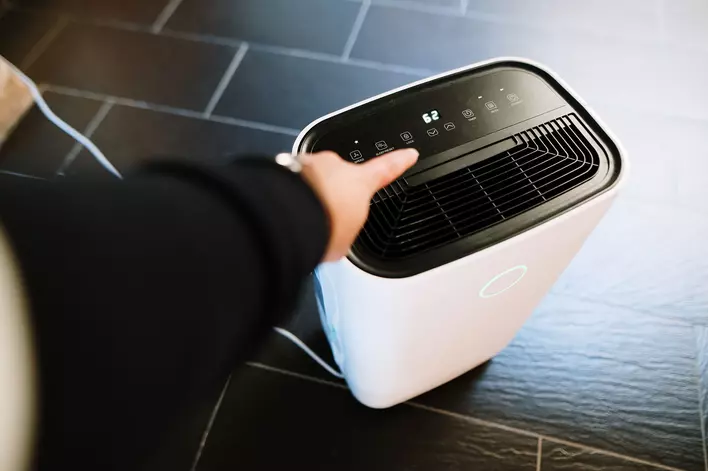
Since excess humidity is the root cause of window condensation, buying and using a dehumidifier is the most straightforward way to settle the issue.
A dehumidifier sucks up excess indoor air humidity, collecting it in a reservoir you can then empty out after several hours or days. Put a dehumidifier in the right place, like in a room with several foggy windows, and you’ll see the problem disappear sooner rather than later!
2. Use fans and vents in humid rooms to prevent condensation on windows
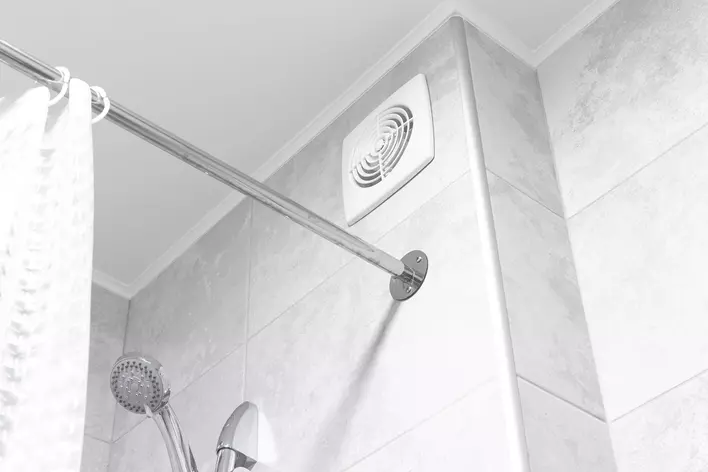
Some rooms in your Tri-Cities home, like your bathroom or kitchen, are more likely to be humid and hospitable to mold growth. When you take a shower in your bathroom, for example, steam fills the air, making it much more humid. Any cold bathroom windows will soon become “hot” spots for condensation!
The solution? Use your bathroom’s built-in fans or vents if it’s equipped with either. If it doesn't have a built-in fan or vent, place a space fan in the room and let it dissipate the humid air after showering each day. Alternatively, simply open your bathroom window for a few minutes – though this might not be the wisest fix, depending on the temperature outside.
3. Set your thermostat properly

In the winter, you might be tempted to turn your thermostat up to warm your home and then turn it back down when things are comfortable. However, this isn't the most energy-efficient way to use your home's HVAC system or heater; it takes much more energy to warm your home up from a cold temperature than to keep it at a consistent temperature.
To improve energy efficiency (and your utility bill), plus reduce the humidity in your home, just turn your thermostat to a reasonably warm temperature, like 68° or 69°F. Sooner than you think, your body will become used to this temperature, and your thermostat won’t have to work double time to keep your home pleasantly cozy.
4. Improve insulation in the walls for window condensation prevention

This long-term fix might not be possible in the winter. But when the weather turns to springtime temperatures, you might consider investing in better insulation throughout your home. For example, make sure that your home’s loft and walls are insulated with thick foam.
This will do a great job of preventing heat loss in the winter, as well as reducing the likelihood of window condensation forming year-round.
5. Spread your plants around

As houseplants photosynthesize to create energy from sunlight, they release moisture into the air. If you have a lot of plants near one of your windows, don’t be too surprised if that window fogs up faster than the others.
You can prevent certain windows from fogging up too quickly by spreading your houseplants around and placing them near a variety of windows. That way, all of your houseplants can get the light they need to survive.
6. Install double-pane, insulated windows

By far, the best way to prevent condensation on windows in the winter is to install energy-efficient insulated windows. Modern options, such as double hung, sliding, or casement windows, can come with two or three panes of glass with insulating gas, like argon or krypton, between them.
Insulated windows’ effective designs prevent their interior surfaces from becoming as cold as non-insulated windows, so they’re less likely to suffer from extreme condensation. Even better, insulated windows can save you money on your utility bill and add property value!
If your home already has a few drafty, old windows, there’s no better time to replace them with superior alternatives. Window World of Tri-Cities, for instance, offers energy-efficient replacement windows from vinyl bay windows to premium wood-clad direct set and radius windows. Each window combines long-term durability with curb appeal, so homeowners don’t have to choose between performance and style.
7. Or add heat-shrink plastic film to current windows to prevent condensation buildup
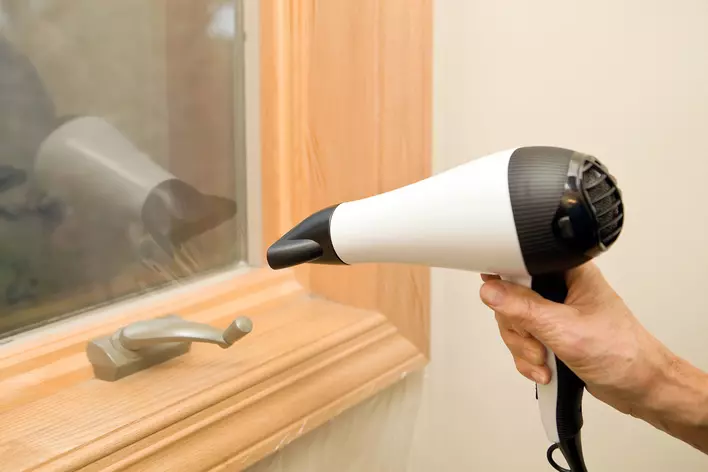
For a more cost-effective fix, you can instead apply heat-shrink plastic film to your windows. A plastic film can do the same job as another layer of window glass, preventing humid internal air from colliding with cold glass to make condensation.
But if you’re committed to long-term condensation prevention – and want to give your home an upgrade for the new year – brand-new windows are the better option. For that renovation, you’ll want to get in touch with the experts at Window World of the Tri-Cities.
Hope this article was helpful in how to prevent and control condensation on your windows during those winter months. Check out this video from our support page below for more information about stopping moisture from building up and blocking your view.
Visit our showroom in person, call 423-212-2573, or request a quote online to schedule a free design consultation!!