

 Back to Blogs
Choosing the Best Color Palette for Your Home Exterior
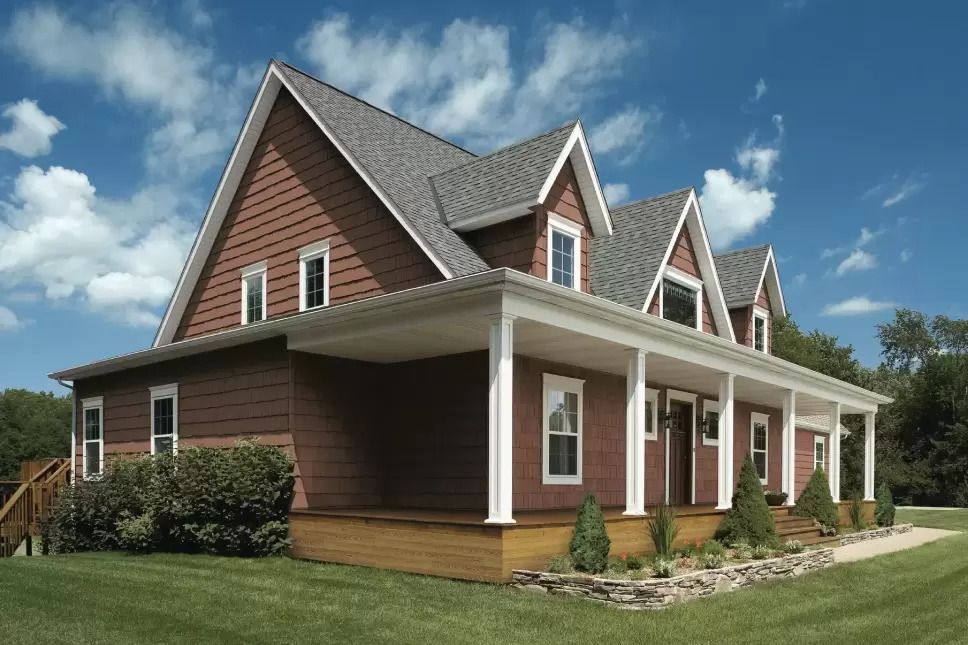
A new color scheme can change the way your home looks from the street. Yet choosing colors for siding, trim, windows, and your front door can feel harder than picking one paint sample. Each part needs to work with the others, as well as your roof, brick, stone, and landscaping.
In the Tri-Cities region of Tennessee and Virginia, homes in our area range from classic brick houses to modern builds with mountain views. The right exterior home color combinations can suit that range while giving your house a fresh, welcoming look. Start with the features you plan to keep, then build a palette that feels right for your home.
Key Takeaways
-
Consider your roof, brick, stone, landscaping, and architectural style when choosing exterior colors that complement your home.
-
Use a main color, trim color, and accent color to create a balanced, cohesive look without overwhelming your home's exterior.
-
View samples in different lighting conditions and ensure your siding, windows, trim, and entry doors work together for a unified appearance.
Start with your home's fixed features
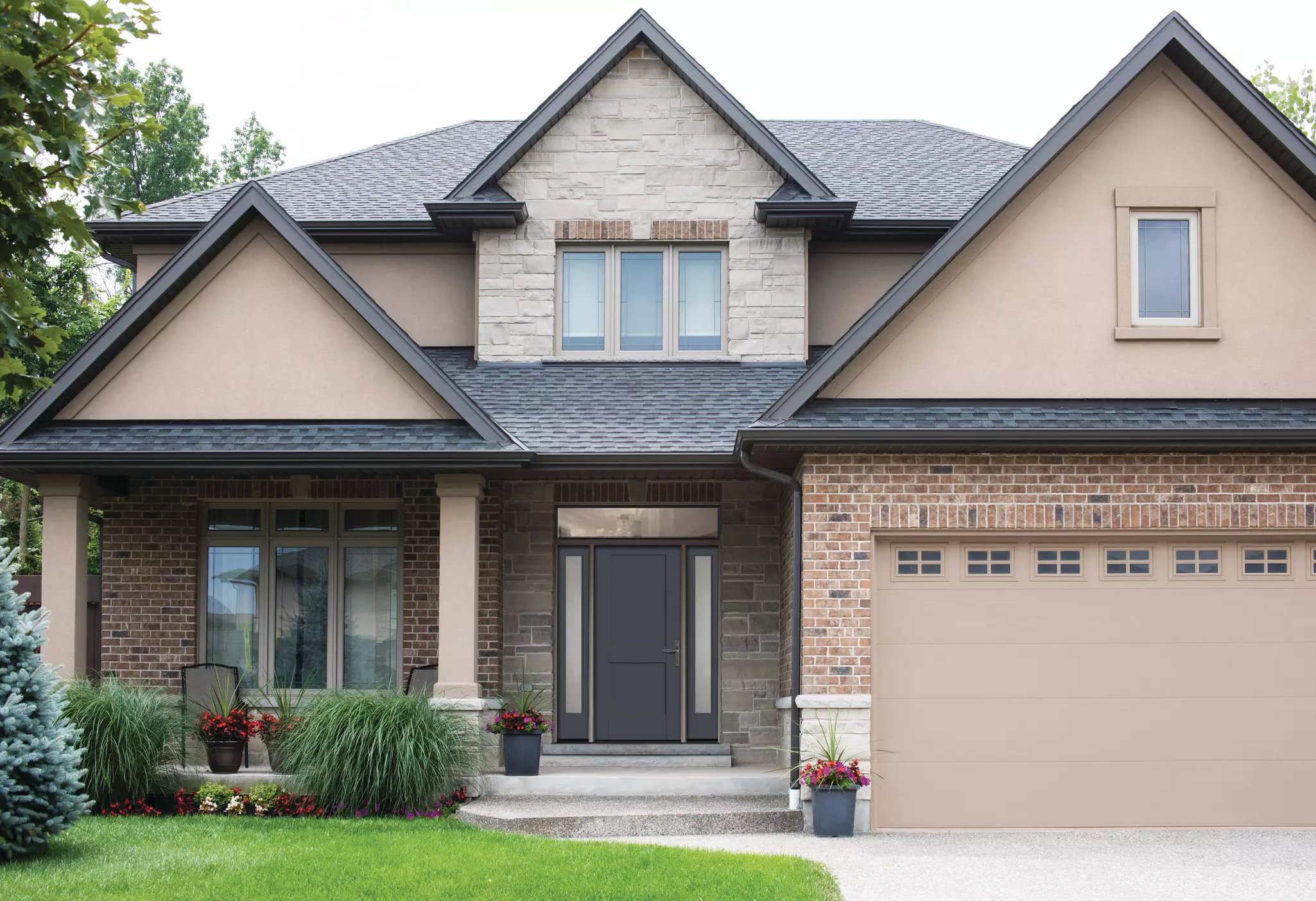
Before choosing an exterior paint color, look at what will stay in place. Your roof, brick, stone, driveway, and even nearby trees affect how a color looks. A cool gray roof may pair well with blue or crisp white siding. Warm brick may look better with cream, taupe, or a muted green.
Also consider your home's architectural style. A traditional home may look natural with soft neutrals and dark shutters. A modern home can carry deeper contrast and simpler color blocks. You don't need to copy your neighbors, but it helps to notice the colors that fit your street.
Choose a simple three-color plan
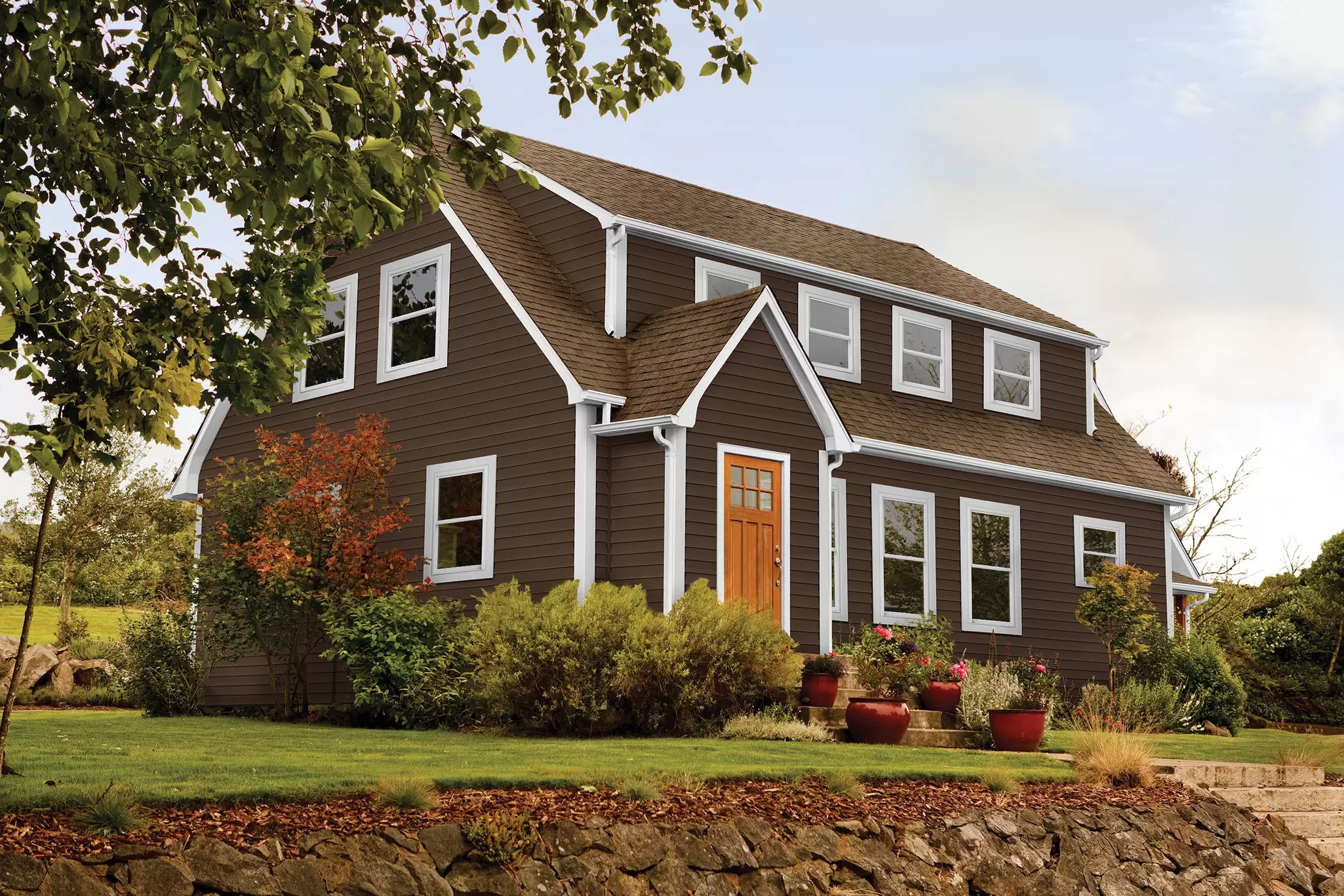
Many exterior color palettes for homes start with three roles: a main color, a trim color, and an accent. The main color covers the largest area, often the siding. Trim outlines windows, doors, and roof edges. An accent adds interest to the front door or shutters.
A simple plan keeps the exterior from looking too busy. It also gives you room to add personality without making every surface compete for attention. If your home already has two strong colors in its brick and roof, you may need fewer new shades.
Five color combinations worth considering
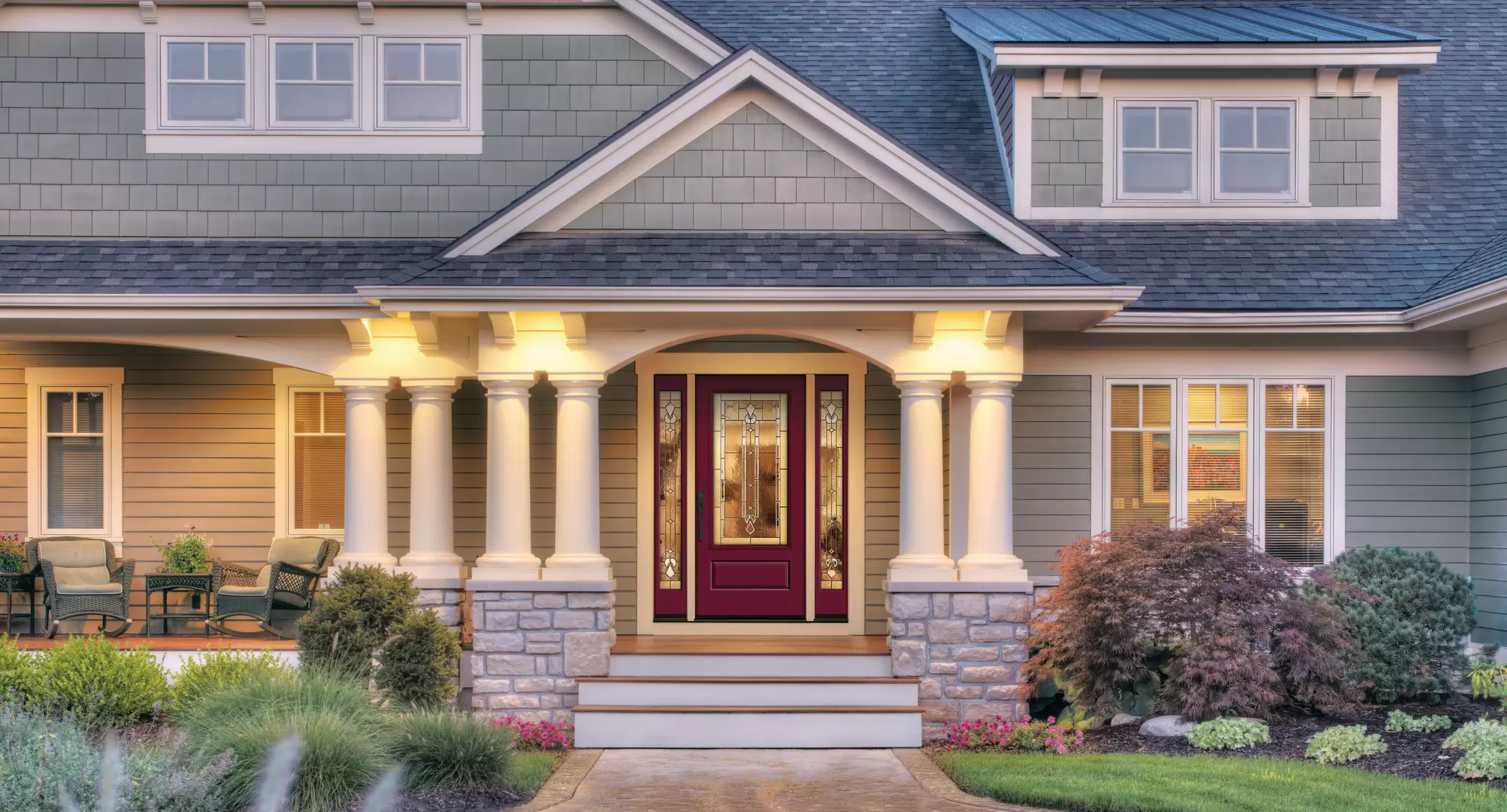
There is no single answer to the best color combinations for home exterior design. The right palette depends on your home's architectural style, existing features, and personal taste. Some homeowners prefer soft, neutral shades that blend with the landscape, while others enjoy bold contrasts that make their homes stand out.
Whether you're planning a complete exterior makeover or simply updating your siding and front door, these five color combinations offer inspiration for creating a balanced, welcoming look.
Warm white, charcoal, and natural wood
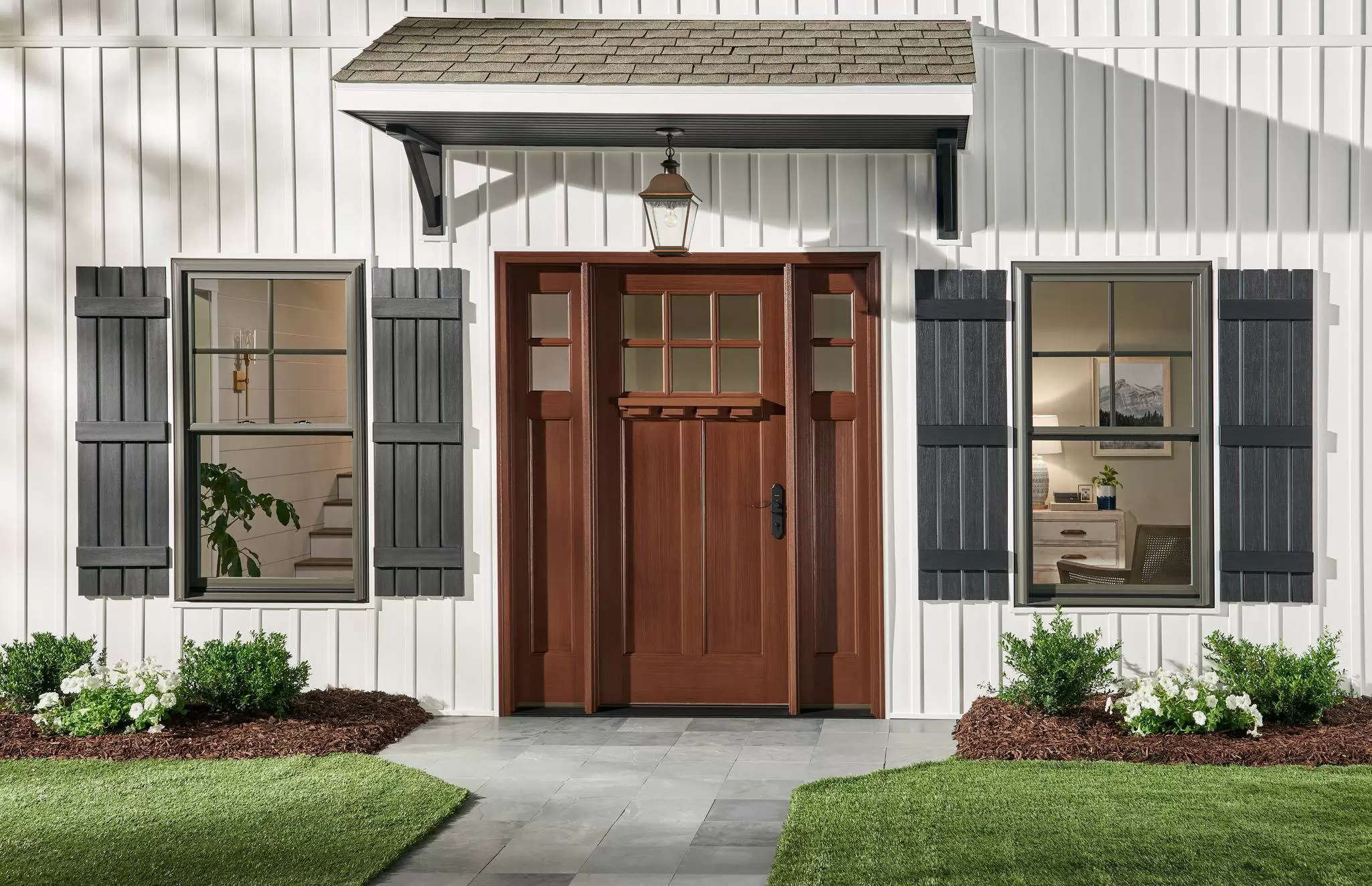
Warm white siding with charcoal trim creates a clean look. A wood-tone front door adds warmth. This palette can suit farmhouses and homes with simple lines. Choose a white that works with your roof instead of one that looks too stark in full sun.
Sage green, cream, and bronze
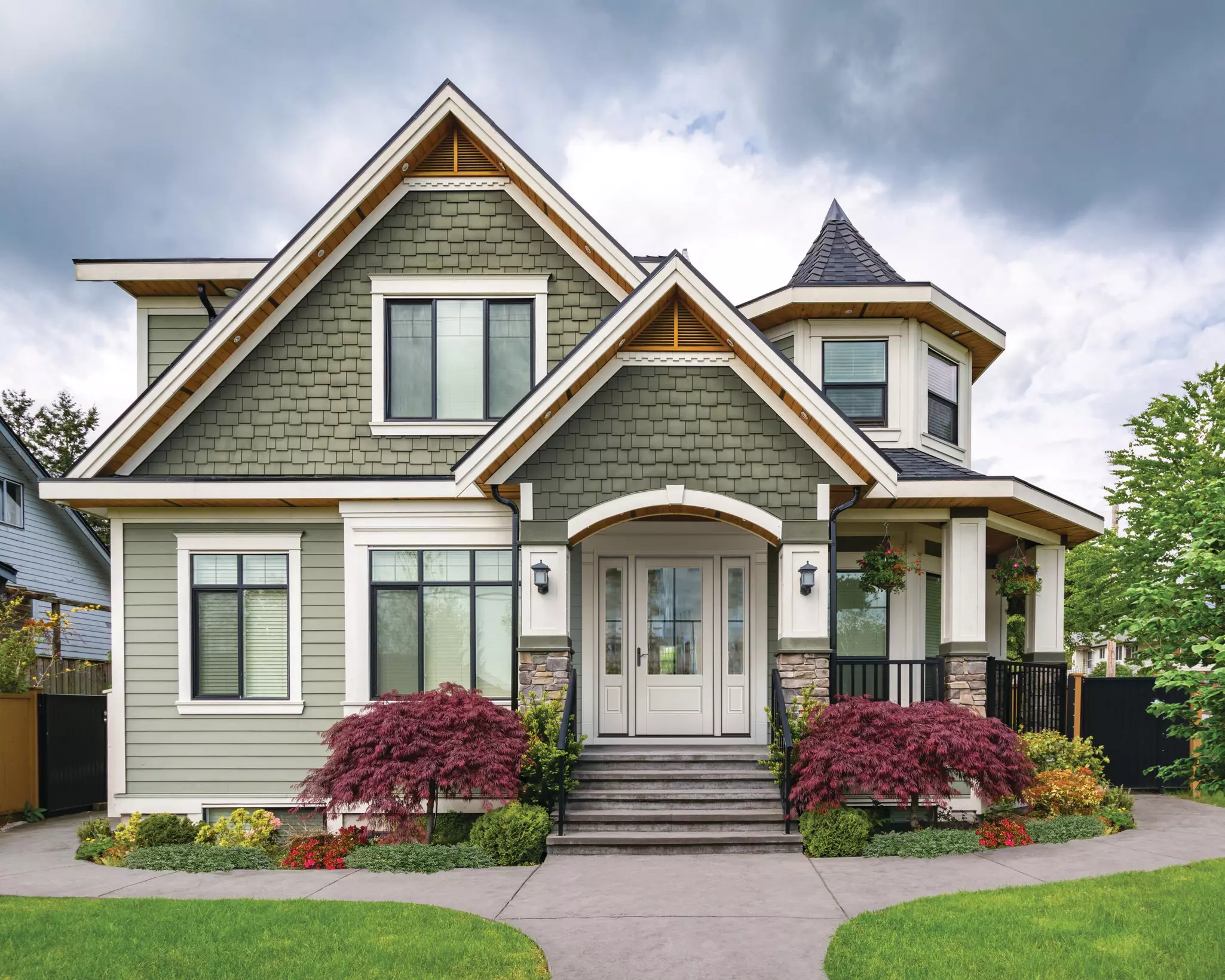
Muted green can blend with the hills and trees around the Tri-Cities region. Cream trim keeps the look soft, while bronze accents add depth. This mix works well on cottages and traditional houses.
Navy blue, white, and red
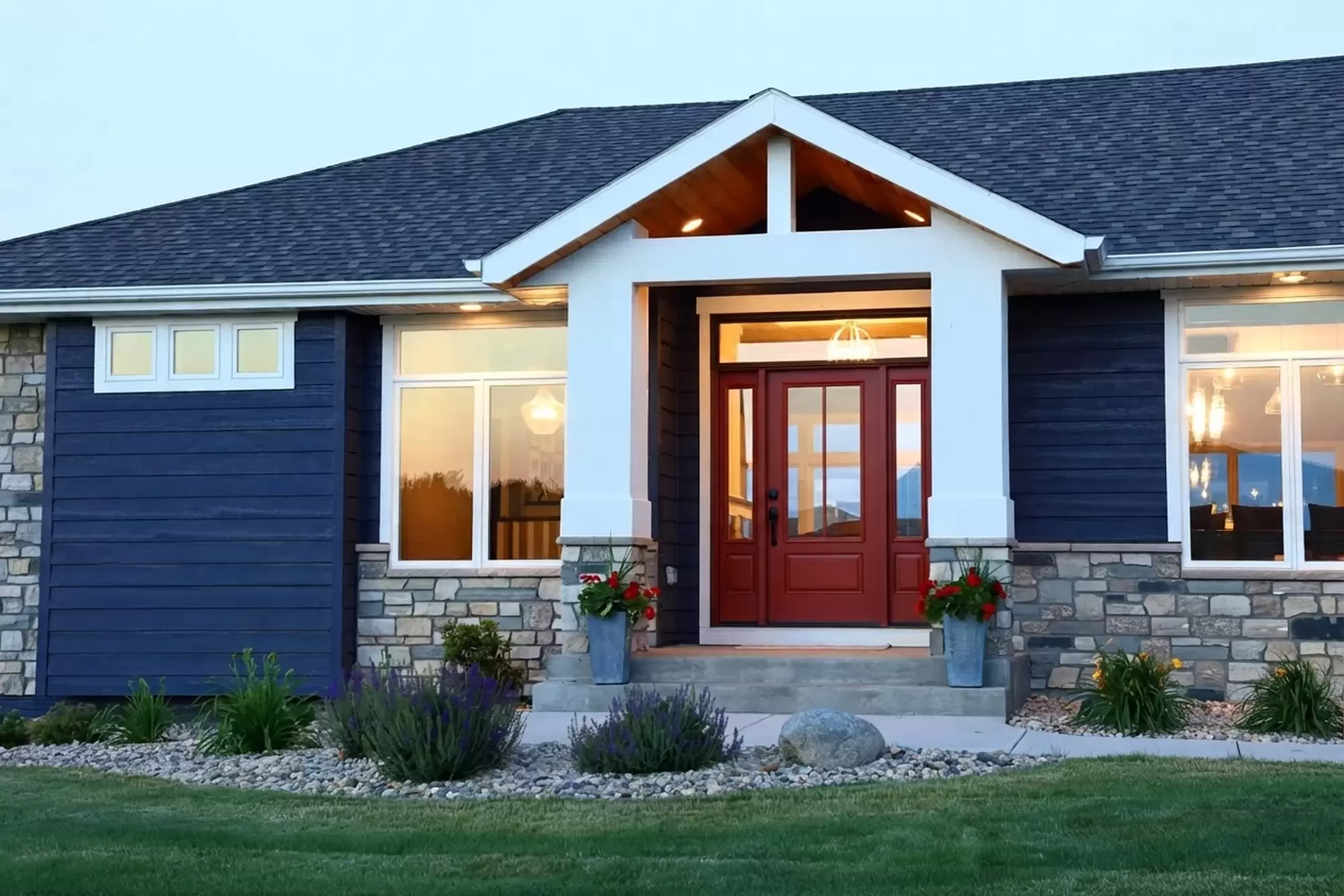
Navy siding and white trim create strong contrast. A red front door adds a lively detail without taking over the design. If your roof is already dark, test the navy outdoors to make sure the whole house doesn't feel too heavy.
Greige, black, and cedar tones
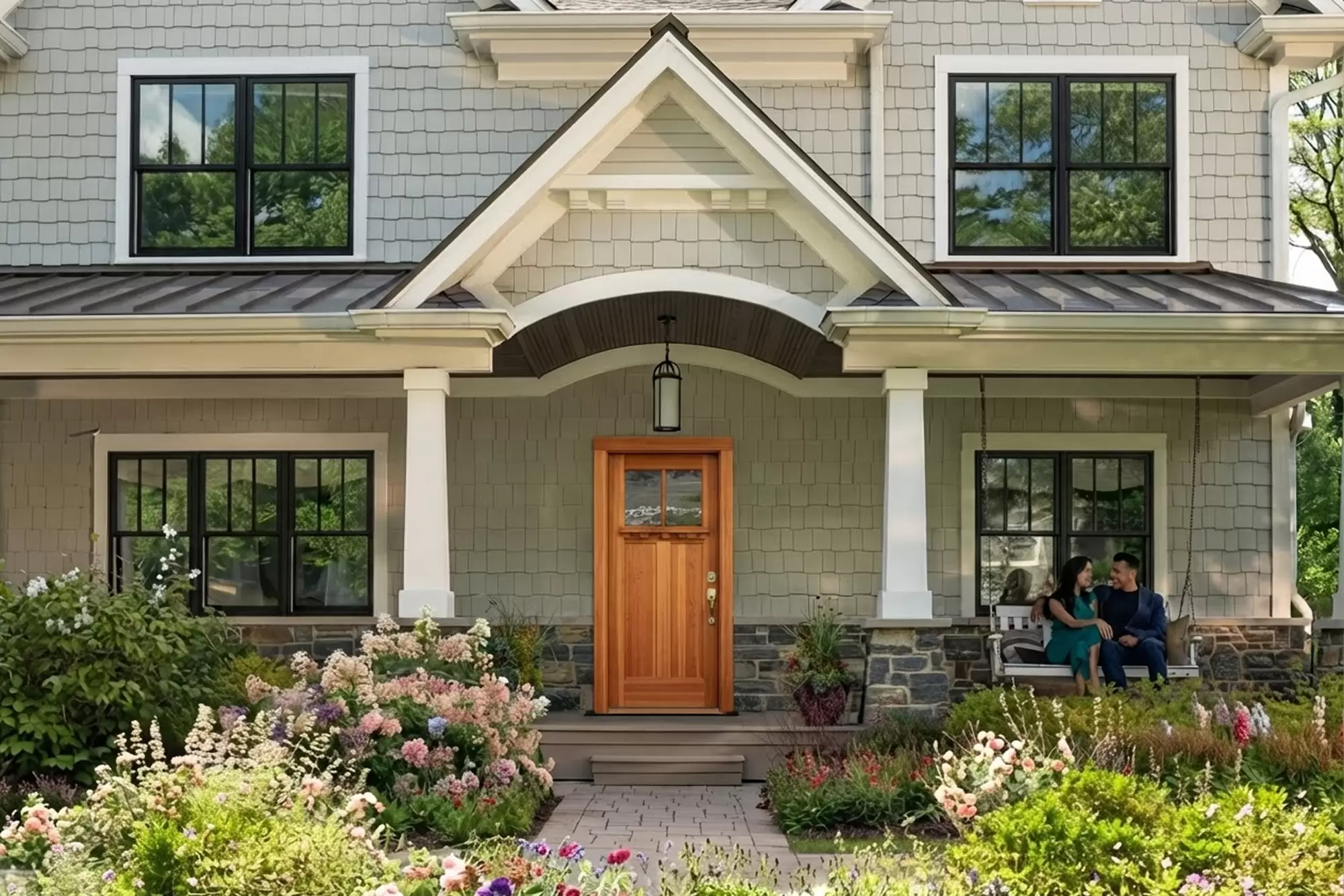
Greige, a blend of gray and beige, works with many roof and stone colors. Black window frames or shutters add definition. Cedar tones bring warmth to a porch or entry. This is one of several exterior home color schemes that can feel both current and timeless.
Soft gray, white, and deep green
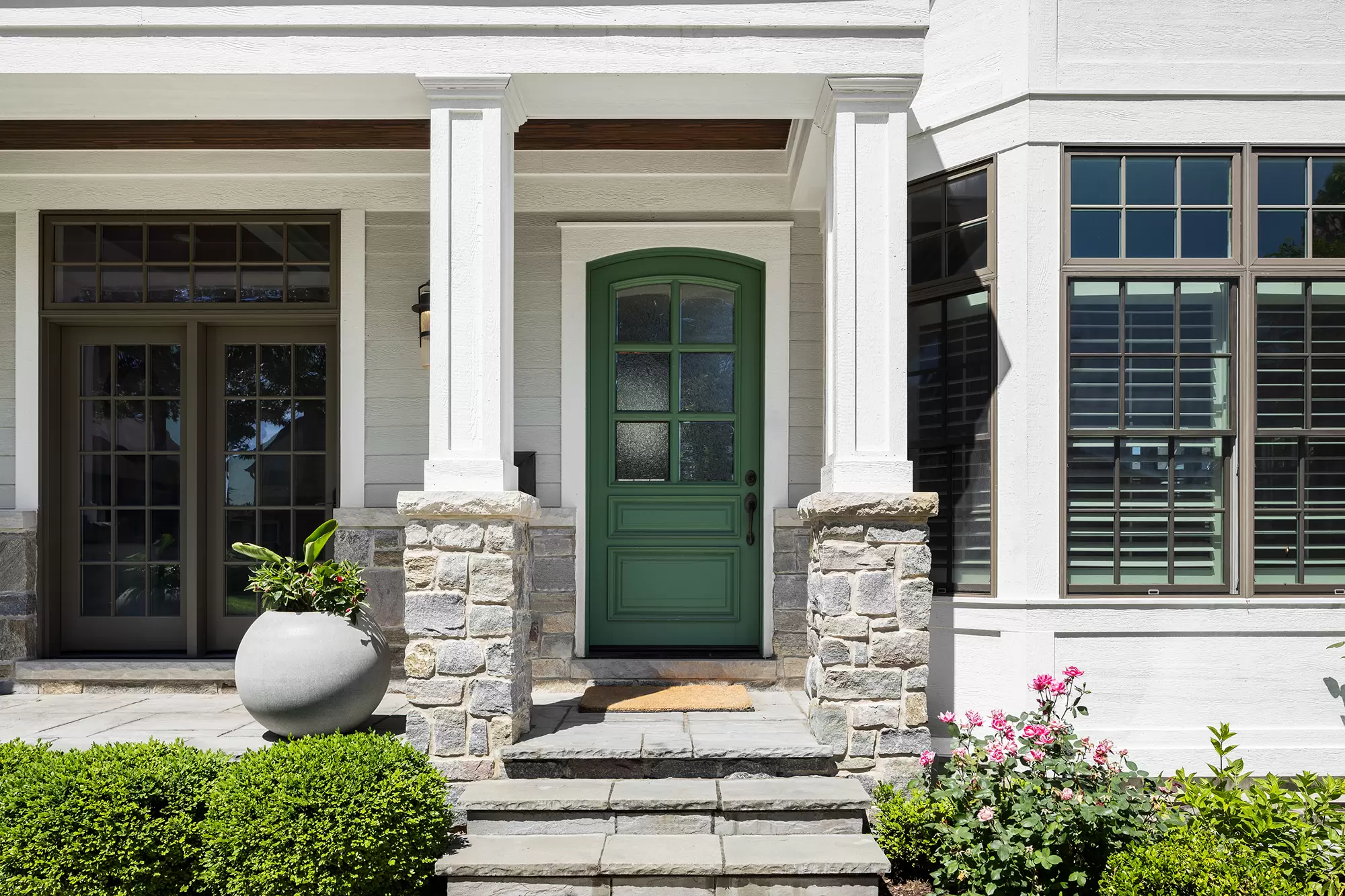
Light gray siding creates a calm base. White trim keeps edges clear, while a deep green door adds color in a subtle way. This palette can work on both older homes and newer builds.
Test colors before making a final choice
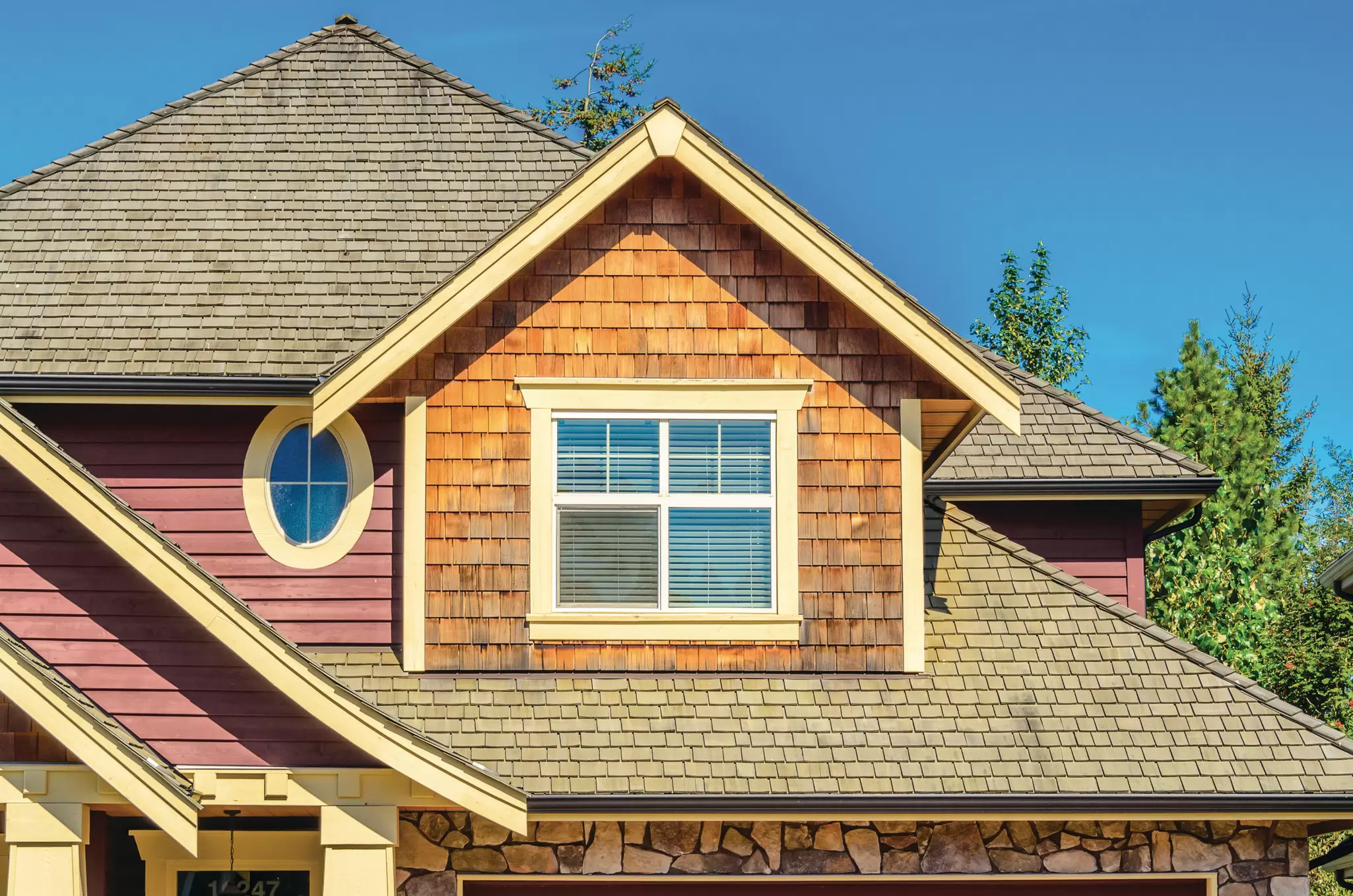
Colors can look different on a small sample than they do across an entire house exterior. Sunlight, shade, and nearby surfaces can shift their appearance throughout the day. A pale shade may seem brighter at noon, while a dark shade may look almost black at dusk.
View samples outside in morning and afternoon light. Compare them beside the roof, brick, and existing trim. If you are choosing new siding rather than paint, ask to see actual product color samples. Digital images are helpful for ideas, but screens do not always show exact colors.
Coordinate siding, windows, and doors
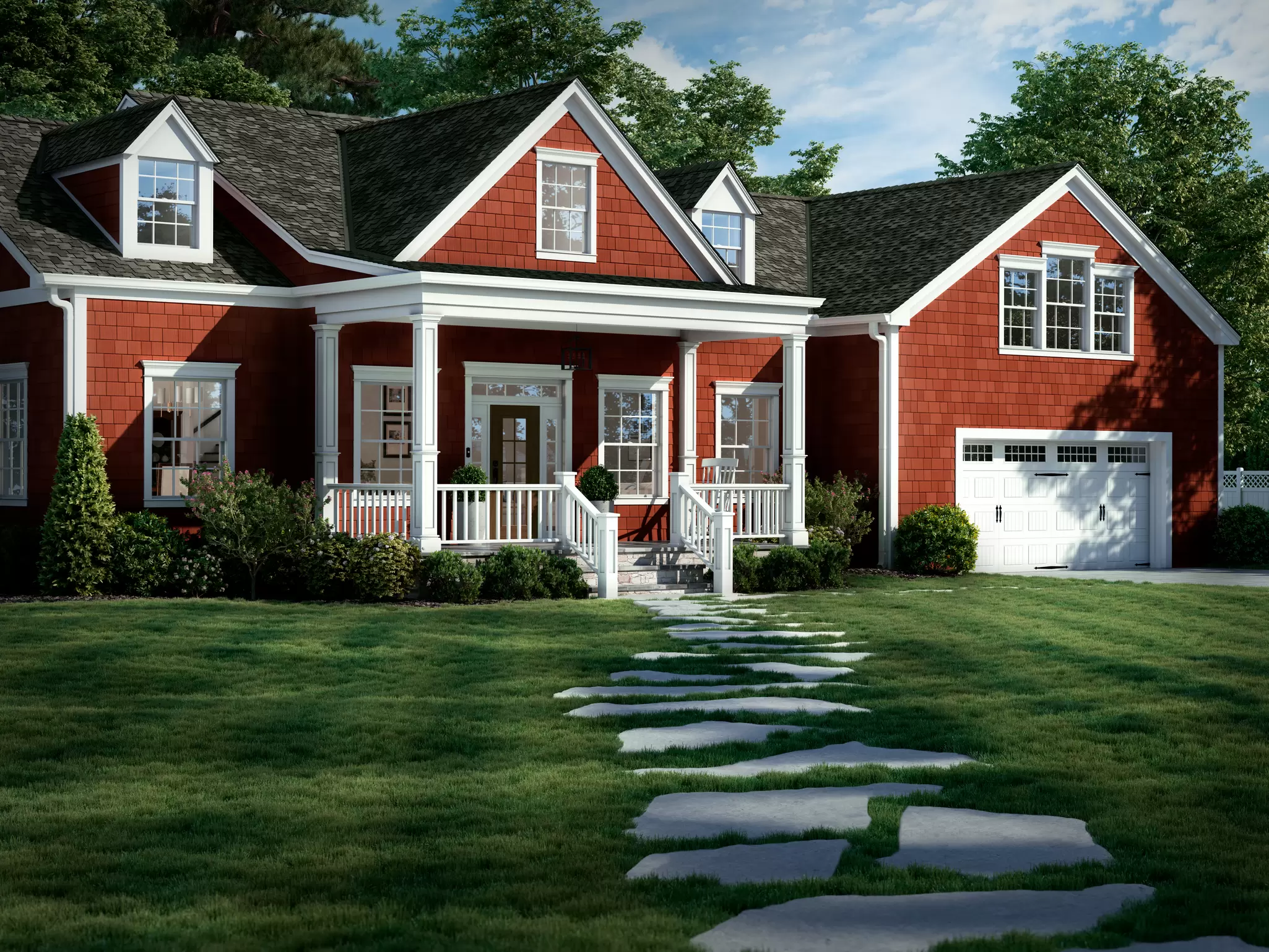
The most successful exterior home color palettes treat siding, windows, and doors as one design. White window frames can create a clean border against dark siding. Dark frames may give a light exterior more contrast. A new front door can repeat a color from the roof or add a new accent.
When comparing a color combination for home exterior updates, think about which products you plan to replace now and which will stay. That can help you avoid choosing new siding that clashes with existing windows or a door you want to keep.
Window World of Tri-Cities offers siding, replacement windows, and entry doors, so homeowners can explore how these parts of the exterior work together. Available styles and finishes vary by product. Ask about current options before settling on a palette.
Refresh your home's exterior with Window World of Tri-Cities
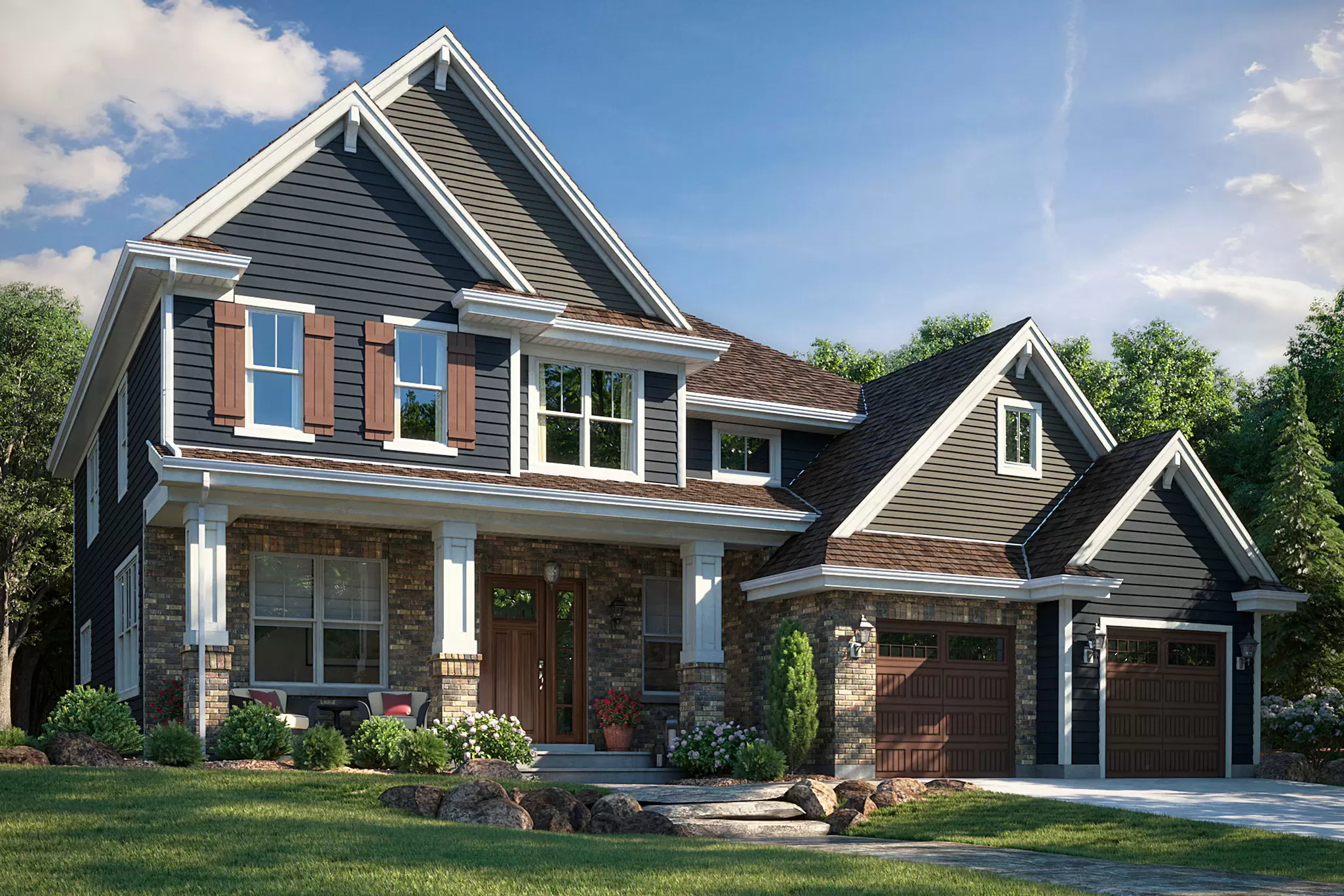
Choosing an exterior color is easier when you start with your home's style, work around fixed features, and test a few balanced combinations. The goal is not to follow every trend. It is to find colors that make your home feel like yours and boost curb appeal.
If you are planning new siding, windows, or an entry door in Bristol, Johnson City, Kingsport, or nearby communities, Window World of Tri-Cities can help you explore your options. Get a free quote to discuss an exterior update that fits your home and your plans.