

 Back to Blogs
The Only Garage Door Maintenance Checklist You’ll Ever Need
When you think about it, your garage door is one of the hardest-working parts of your home. It opens and closes dozens of times a week, withstands rain, snow, summer heat, and everything in between – all while protecting your car, tools, and storage. But like any mechanical system, it needs a little attention to keep running smoothly.
The good news is that garage door maintenance doesn't have to be complicated or time-consuming. With a simple seasonal checklist and a few basic preventative maintenance steps, you can extend your door's lifespan, avoid costly repairs, and ensure safe, reliable operation year after year.
Today, our garage door replacement experts serving the Tri-Cities of Tennessee and Virginia walk through the essential maintenance tips every homeowner should know.
Why regular garage door maintenance matters
Most homeowners don't think much about it until something goes wrong, but regular maintenance for garage doors can prevent small issues from becoming expensive problems. A little routine care keeps your door operating smoothly, quietly, and safely.
Here's why garage door care should be on your home maintenance list:
- It prevents unexpected breakdowns and expensive emergency repairs
- It extends the lifespan of your door and opener
- It improves safety by ensuring all components work correctly
- It reduces noise from worn or poorly lubricated parts
- It maintains your home's curb appeal by keeping your door looking fresh
Think of garage door maintenance like changing the oil in your car: a small investment of time that pays off in reliability and performance.
Essential garage door maintenance tips: your seasonal checklist

Use this garage door maintenance checklist to keep your residential garage door in top condition. Aim to complete these tasks at least twice a year – ideally in spring and fall – to catch any issues before they turn into major headaches.
1. Inspect the garage door for signs of wear and damage
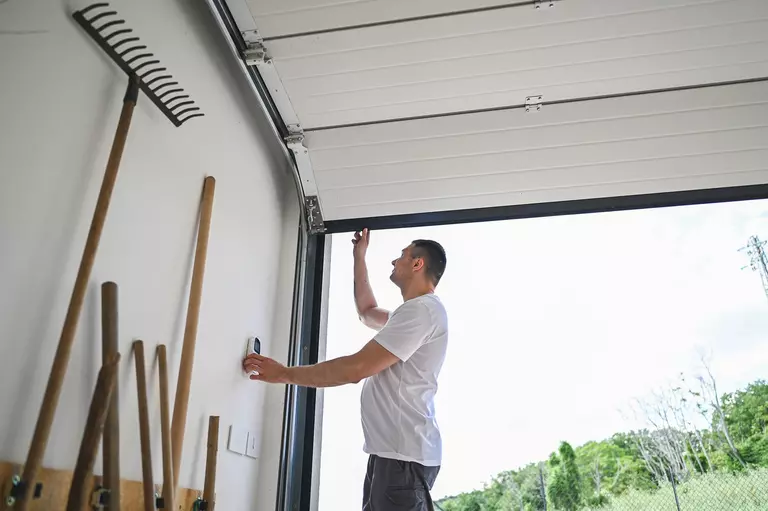
Start by giving your garage door a thorough visual inspection. Look for dents, cracks, or rust on the door panels. Check the condition of the weather stripping along the bottom and sides for tears or gaps. If you have a wood door, look for signs of warping, rot, or peeling paint.
Pay special attention to the tracks and rollers, too. Stand back and watch the door as it moves, and look for any jerky motion or sections that seem to stick. Minor wear and tear is normal, but anything that affects smooth door operation should be addressed.
2. Test garage door operation and balance
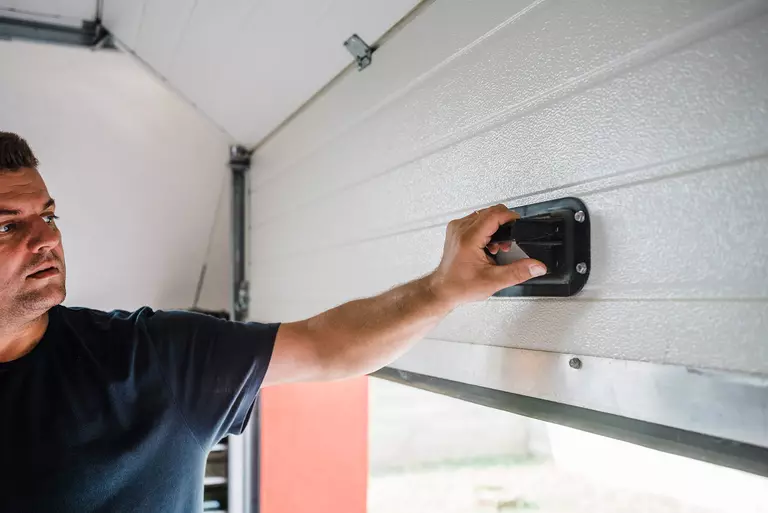
A properly balanced garage door should stay in place when you lift it halfway and let go. To test this, disconnect your garage door opener by pulling the release handle (usually a red cord), then manually lift the door about halfway up. If it slides down or shoots up, the torsion springs may need adjustment.
This is an important safety check since unbalanced garage doors put extra strain on your opener and can be dangerous. If your door fails the balance test, contact a professional – garage door springs are under high tension and should only be adjusted by trained technicians.
3. Lubricate moving parts for smooth operation
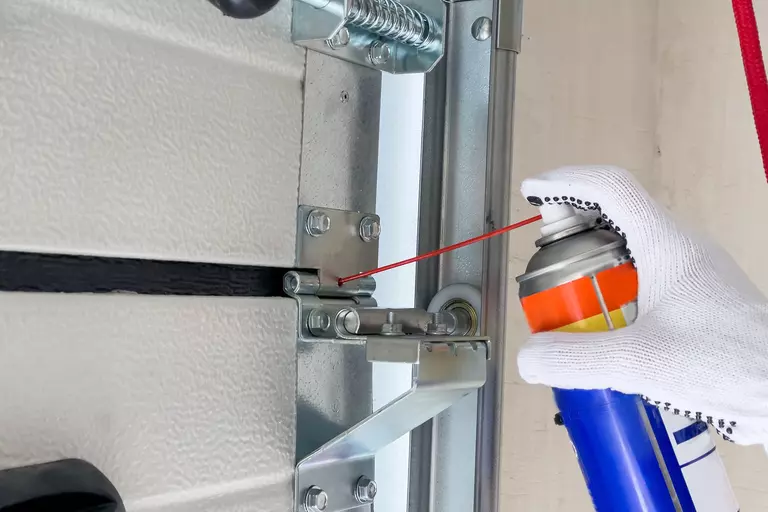
Lubrication is one of the simplest and most effective garage door maintenance tips. A little lubricant on the right parts reduces friction, minimizes noise, and prevents premature wear and tear.
Use a silicone-based or lithium-based garage door lubricant (not WD-40, which is a cleaner, not a lubricant) on the rollers, hinges, springs, and bearing plates. Also, lubricate the track where the rollers make contact, but avoid getting lubricant on the track itself, which can cause slipping. Do this once or twice a year, and your door will open and close much more quietly.
4. Check and test safety features
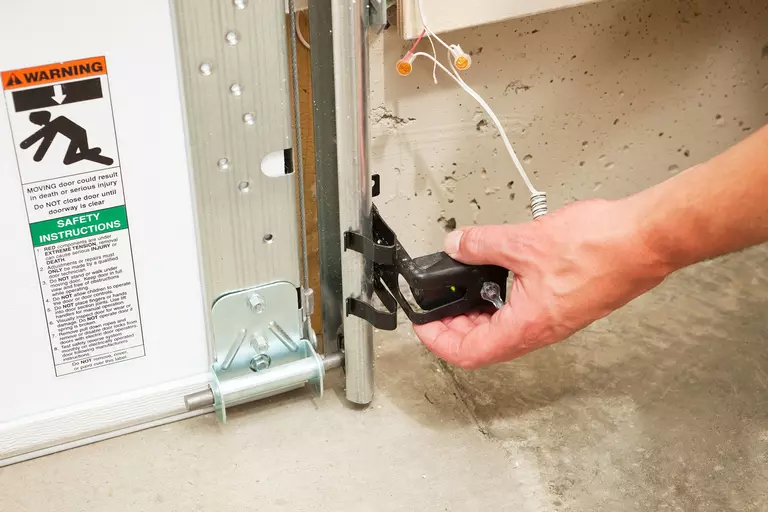
Modern garage door openers come with safety features designed to prevent injuries and property damage. The two most important are the photo eyes and the auto-reverse mechanism.
Photo eyes are small sensors located on either side of the door near the floor. They create an invisible beam that stops the door from closing if something breaks the beam. Test them by placing a lightweight object (like a cardboard box) in the door's path and trying to close it. The door should reverse immediately. If it doesn't, clean the photo eyes with a soft cloth or adjust their alignment.
It’s also a good idea to test the auto-reverse feature by placing a solid object under the door as it closes. The door should reverse direction when it makes contact; if it doesn't, your opener needs adjustment or repair.
5. Tighten hardware and inspect garage door springs
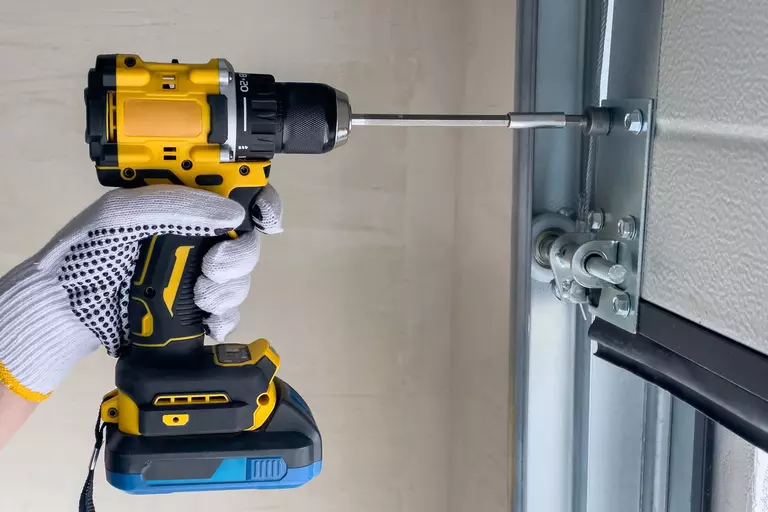
All the opening and closing that a garage door performs creates vibration, which can loosen its bolts and screws over time. Walk around your garage door and use a socket wrench to tighten any loose hardware on the tracks, rollers, and hinges. Don't overtighten, though – just snug them up.
While you're at it, visually inspect the garage door springs. Look for signs of rust, gaps, or stretching. Torsion springs (mounted above the door) and extension springs (along the sides) are critical for door operation, but they're also under tremendous tension. Never attempt to adjust or replace springs yourself – that’s a job for professionals.
6. Clean and maintain weather stripping
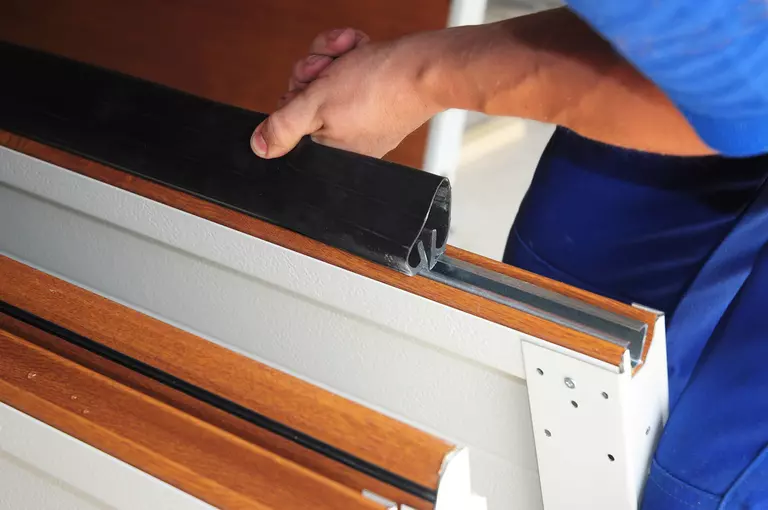
Weather stripping along the bottom and sides of your garage door keeps out rain, snow, pests, and drafts. Over time, it can crack, tear, or become brittle (especially in extreme temperatures).
Check the weather stripping for damage and replace it if necessary. Clean it regularly with a mild detergent to remove dirt and debris. In winter, apply a silicone-based lubricant to prevent the rubber from sticking to the frozen garage floor.
7. Listen for unusual noises during operation
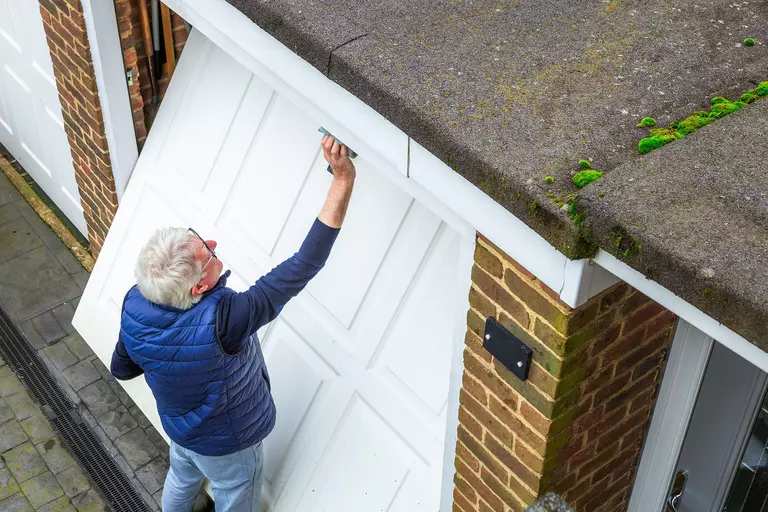
Your ears are one of your best diagnostic tools. A well-maintained garage door should operate relatively quietly. If you hear grinding, scraping, squeaking, or banging, something's wrong.
Squeaking usually means that the moving parts need lubrication. Grinding or scraping can indicate worn rollers or misaligned tracks, while a loud bang when opening or closing often points to a broken spring. Don't ignore these sounds; they're early warning signs that can help you catch problems before they lead to bigger breakdowns.
Seasonal garage door care: what to focus on throughout the year
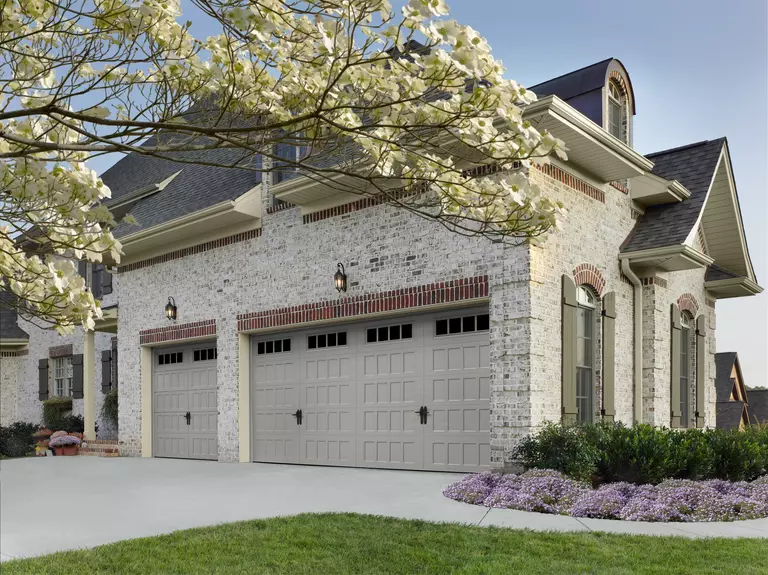
The checklist above should be helpful for any season, but there are a few specific tasks to add depending on the time of year. Our region’s climate means dealing with hot summers and cold winters, so your garage door faces different challenges each season. Here’s what we recommend at Window World of Tri-Cities.
Spring and summer garage door maintenance
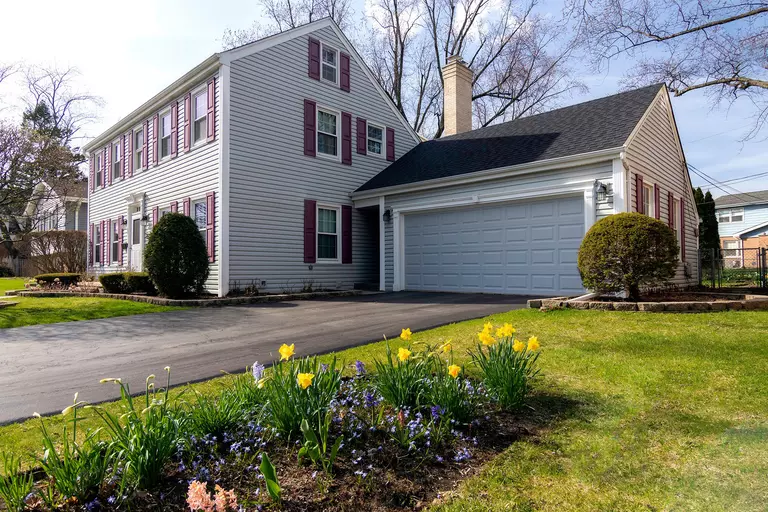
Spring is the perfect time for a garage deep clean, which means:
- Washing your garage door with mild soap and water to remove winter grime, salt, and debris
- Checking for any damage caused by freezing temperatures or ice buildup
- Inspecting the weather stripping and replacing it if it's cracked from winter cold
In summer, pay attention to how heat affects your door. For instance, extreme temperatures can cause metal components to expand slightly, which may lead to sticking or noise. Make sure all moving parts are properly lubricated to handle the extra heat.
Fall and winter garage door maintenance
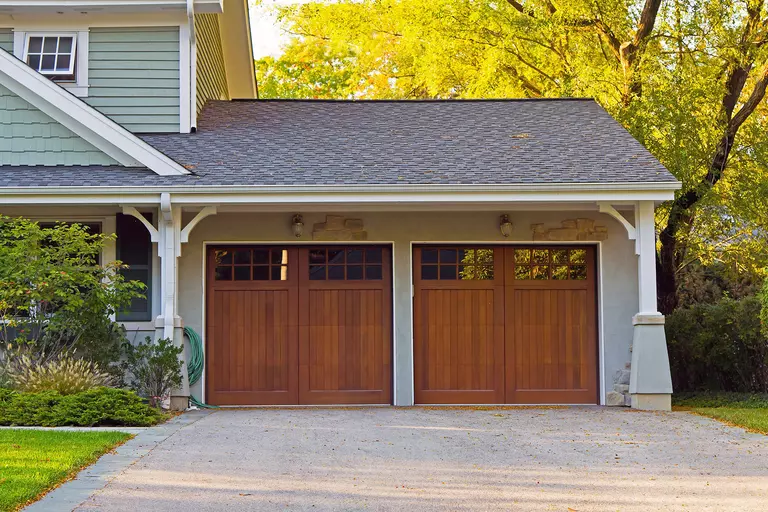
Before winter arrives, check your garage door’s weather stripping and make any necessary repairs. Cold weather can make rubber brittle, so replacing worn stripping now will keep your garage warmer and more energy-efficient all winter long.
Whenever you get snow and ice accumulation, you should also keep the area around your garage door clear. Ice buildup can prevent the door from closing properly or cause the weather stripping to freeze to the ground. Lastly, avoid using your door opener to force the door open if it's frozen shut – you could damage the motor or springs.
Signs your garage door needs repair or replacement
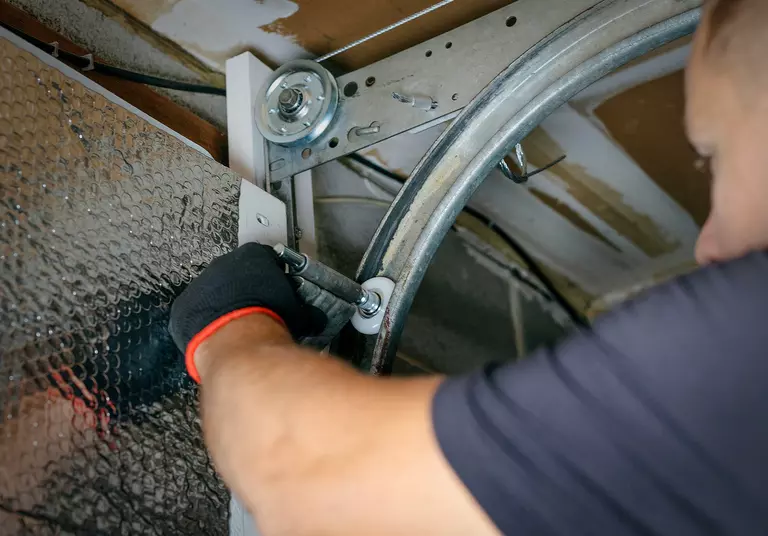
Even with excellent preventative maintenance, garage doors don't last forever. Most residential garage doors have a lifespan of 15 to 30 years, depending on the material and usage.
Here are some signs it might be time for garage door repair – or replacement:
- The door is slow, jerky, or struggles to open and close
- You hear loud grinding, scraping, or banging noises that lubrication doesn't fix
- The door sags on one side or doesn't sit level when closed
- You've had multiple repairs in the past few years
- Visible damage like dents, cracks, or rust is affecting the door's appearance or function
- The door lacks modern safety features like auto-reverse or photo eyes
If you're experiencing any of these issues, it's worth getting a professional assessment. Sometimes a simple repair is all you need. But if your door is old, damaged in multiple areas, or costing you money in repeated repairs, replacement might be the smarter, more cost-effective choice.
Upgrade your garage door with Window World of Tri-Cities

Regular garage door maintenance is the best way to protect your investment and ensure safe, reliable operation for years to come. By following this simple checklist and paying attention to seasonal care, you can avoid costly repairs and keep your door looking and working like new.
But if your garage door is showing signs of age, damage, or wear that routine maintenance can't fix, Window World of Tri-Cities is here to help. We offer high-quality garage doors designed to withstand the area's climate, along with professional installation that ensures long-lasting performance.
If you need a full garage door replacement, our team is ready. Contact Window World of Tri-Cities today to request a free quote and discover how we can keep your garage door running smoothly for years to come.