

 Back to Blogs
Options for Financing Home Renovations: 7 of the Top Methods

There's something about the start of a new year that makes many of us want to tackle those home improvement projects we've been putting off. Maybe it's drafty windows that let in the cold winter air, siding that's seen better days, or doors that just don't seal like they used to. Whatever's on your list, you're probably asking the same question: How can I afford to finance a home renovation without breaking the bank?
The good news is that home renovation financing has never been more accessible for homeowners in the Tri-Cities. From home equity loans to contractor financing programs, there are multiple ways to fund your project and spread the cost over manageable monthly payments. The key is understanding which financing option makes the most sense for your situation, budget, and timeline.
Let's explore the best ways to finance home renovations so you can move forward with confidence and start enjoying the comfort, energy savings, and curb appeal that come with an upgraded home.
Best ways to finance home renovations
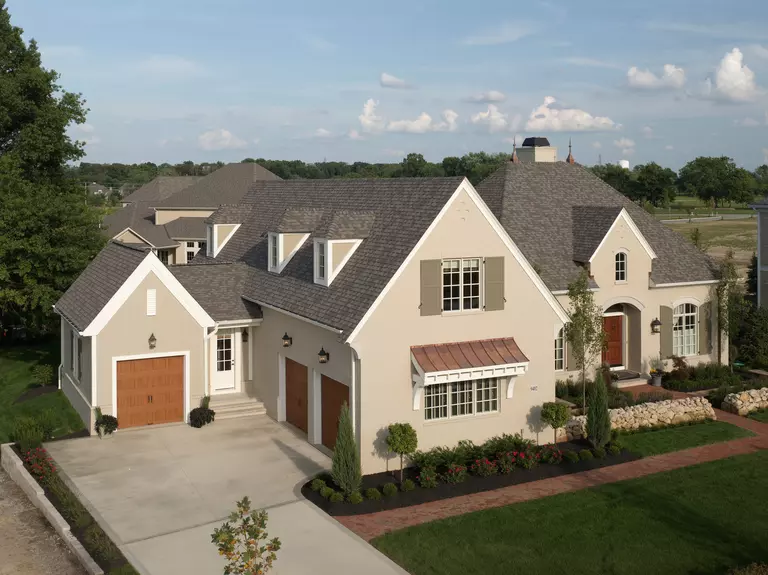
When it comes to financing home renovations, you have several options to choose from. Each type of loan or financing program has its own advantages, interest rates, and requirements. Here are seven of the most popular ways to finance a home remodel.
1. Home equity loans

A home equity loan allows you to borrow against the equity you've built up in your home. This type of loan provides a lump sum of cash up front, which you repay over a fixed loan term – typically anywhere from 5 to 30 years.
Home equity loans often come with lower interest rates compared to credit cards or personal loans because your home serves as collateral. This makes them a solid choice for larger home improvement projects like replacing all your windows or installing new siding.
However, because you're borrowing against your home, it's important to borrow responsibly. If you can't make your monthly payments, you risk losing your home. That said, for homeowners with significant equity and a stable income, home equity loans can be one of the most cost-effective ways to finance home renovations.
2. Home equity lines of credit (HELOCs)

Similar to a home equity loan, a HELOC lets you tap into the equity in your home. The difference? Instead of receiving a lump sum, you get access to a revolving line of credit that you can draw from as needed during a set period, usually 5 to 10 years.
Home equity lines of credit work much like a credit card – you only pay interest on the amount you actually use. This flexibility makes HELOCs appealing for homeowners who want to tackle multiple home improvements over time or who aren't sure exactly how much their project will cost upfront.
Keep in mind that HELOCs often have variable interest rates, which means your monthly payments could increase if rates go up. Still, for the right borrower, a HELOC offers a flexible and accessible way to fund ongoing home renovations.
3. Personal loans for home improvements
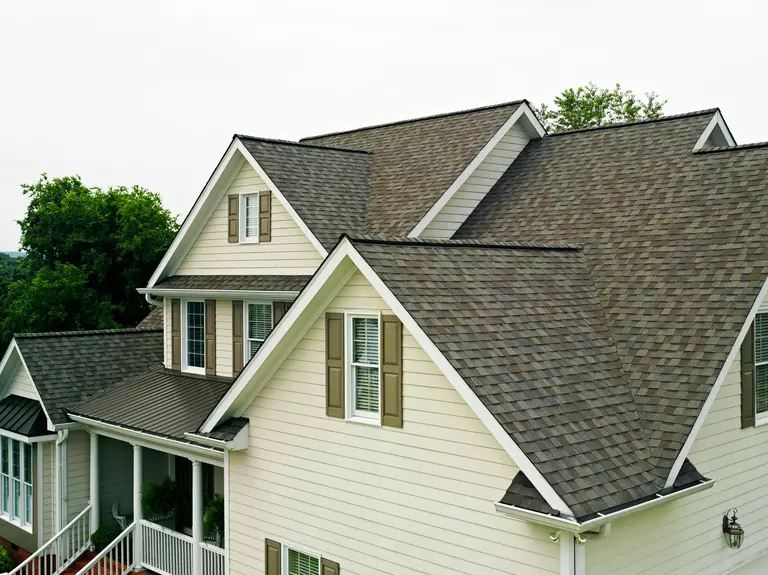
If you don't have much equity in your home or you'd rather not use your home as collateral, a personal loan might be the right fit. Personal loans are unsecured, meaning they don't require you to put your home on the line.
Home improvement loans in the form of personal loans typically offer fixed interest rates and fixed monthly payments, making it easy to budget. The loan amount you qualify for will depend on your credit score, income, and debt-to-income ratio.
Because personal loans are unsecured, they usually come with higher interest rates than home equity products. However, they can be a good option for smaller to mid-sized projects – like upgrading to energy-efficient windows or doors – where you want predictable payments without tapping into your home equity.
4. Cash-out refinancing

Cash-out refinancing involves replacing your existing mortgage with a new, larger loan and pocketing the difference in cash. This option works well if current interest rates are lower than your original mortgage rate, or if you want to consolidate debt along with funding your home remodel.
For example:
- Say your home is worth $300,000 and you owe $200,000 on your mortgage.
- You might refinance for $250,000, giving you $50,000 in cash for home improvements.
- You'll pay off the new loan over the same long-term period as a traditional mortgage – often 15 or 30 years – which can keep your monthly payments lower.
The downside to this financing strategy is that refinancing comes with closing costs, which can add up. And because you're extending your mortgage, you may pay more in interest over time. However, if the numbers work in your favor, cash-out refinancing can be a smart way to fund major renovations while potentially lowering your overall interest rate.
5. Credit cards (for smaller projects)

For smaller home improvements, using a credit card can be a quick and convenient option – especially if you have a card with a 0% introductory APR. If you can pay off the balance before the promotional period ends, you won't pay any interest at all.
However, once the promotional rate expires, credit card interest rates can be steep – often 20% or higher. That's why credit cards work best for small, manageable projects where you're confident you can pay off the balance quickly.
6. Government-backed home improvement loans
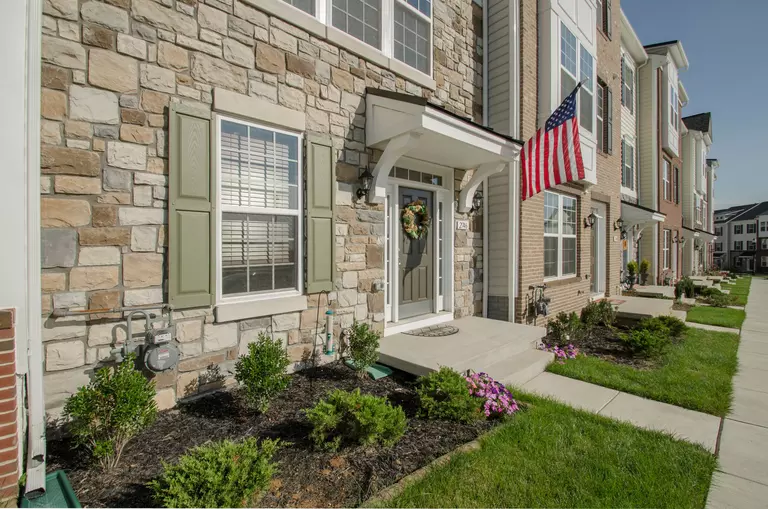
Several government programs offer home improvement loans with favorable terms, especially for energy-efficiency upgrades or repairs that improve safety and accessibility. These include FHA Title I loans, USDA Rural Development loans, and VA renovation loans for eligible veterans.
Government-backed loans often feature lower interest rates and more lenient credit requirements than traditional loans. But keep in mind that they can come with specific restrictions on what types of projects qualify and may require more paperwork and longer approval times.
7. Contractor financing programs

Many home improvement contractors, including Window World of Tri-Cities, offer their own financing options to make renovations more accessible. Contractor financing programs are designed to be simple and straightforward, with quick approval processes and flexible payment plans.
These programs often provide special promotional offers, such as deferred interest or low monthly payments for a set period. Because the financing is handled directly through the contractor, you can often get approved quickly and start your project without delay.
For homeowners who value convenience and want to work with a trusted local company, contractor financing can be one of the best ways to finance home renovations. You get the products and installation you need, along with a payment plan that fits your budget – all in one place.
How to choose the right home renovation financing option

With so many ways to finance a home remodel, how do you choose the right one? The answer depends on your financial situation, your credit score, and the scope of your project. Here are a few key factors to consider when evaluating home renovation financing options.
Consider your credit score and interest rates

Your credit score plays a major role in determining which financing options are available to you and what interest rates you'll qualify for. Borrowers with higher credit scores typically get access to lower rates, which can save you thousands of dollars over the life of a loan.
If your credit score is less than ideal, don't worry – there are still financing options available. Contractor financing programs, for example, may have more flexible credit requirements than traditional bank loans. It's worth shopping around and comparing interest rates to find the best deal for your situation.
Evaluate your home equity

If you've been paying down your mortgage for several years, you may have built up significant equity in your home. Home equity loans and home equity lines of credit allow you to borrow against that equity, often at lower interest rates than other types of financing.
To determine how much equity you have, subtract what you owe on your mortgage from your home's current market value. Most lenders allow you to borrow up to 80–85% of your home's value, minus what you still owe. If you have enough equity, this can be a cost-effective way to fund your renovation.
Compare loan terms and monthly payments

The loan term – or how long you have to pay back the loan – directly affects your monthly payments. A longer loan term means lower monthly payments, but you'll pay more in interest over time. A shorter loan term means higher monthly payments but less total interest.
Think about what fits comfortably in your budget. If you need to keep your monthly payments low, a longer loan term or a financing program with flexible payment options might be the right choice. If you want to pay off the loan quickly and minimize interest, a shorter term could work better.
Think about your timeline

How quickly do you need to complete your home renovation? If you're dealing with drafty windows or damaged siding that's affecting your home's energy efficiency, you probably don't want to wait weeks or months for loan approval.
Contractor financing programs often offer the fastest approval process, with decisions made in minutes rather than days. This can be a huge advantage when you want to start your project right away and begin enjoying the benefits of your new windows and doors as soon as possible.
Window World of Tri-Cities financing: a smart solution for your home remodel
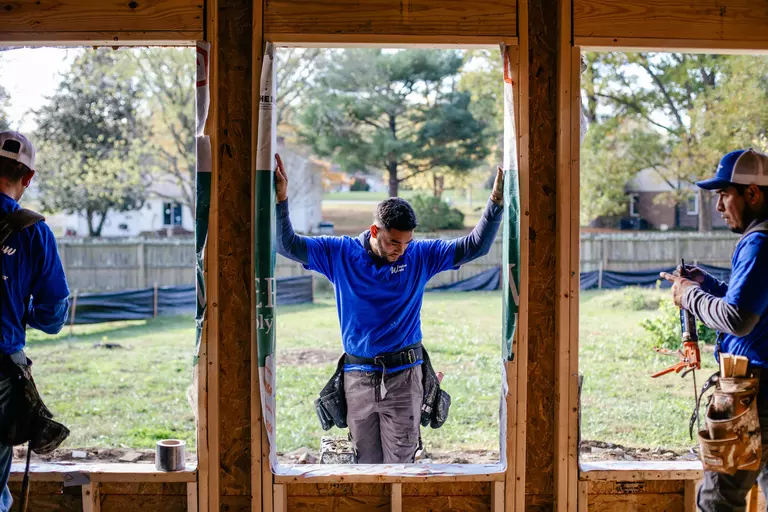
At Window World of Tri-Cities, we understand that investing in your home is a big decision. That's why we offer flexible financing options designed to make your renovation affordable and stress-free. With over 22 years of experience serving homeowners in Johnson City, Bristol, Kingsport, and the surrounding areas, we know what it takes to help families create comfortable, energy-efficient homes without breaking the bank.
Our financing program is built around one simple goal: making it easy for you to get the windows, doors, and siding you need, when you need them. Here's what makes Window World of Tri-Cities financing a smart choice for your home remodel.
Quick approval with the Window World credit card

Our financing is provided through the Window World credit card, issued by Wells Fargo Bank, N.A. The application process is simple and secure, and you'll receive a credit decision within minutes – not days or weeks.
You can apply online from the comfort of your home, or you can apply during your free in-home estimate. Either way, the process is straightforward and designed to get you answers fast so you can move forward with your project without delay.
Convenient monthly payments and online management

With the Window World credit card, you'll enjoy flexible monthly payments that fit your budget. Instead of paying the full project cost upfront, you can spread the expense over time, making it easier to afford the upgrades your home needs.
Managing your account is easy, too. You'll have access to online bill payment, so you can make payments, check your balance, and manage your account from anywhere. Plus, because it's a revolving line of credit, you can use it for future home improvement needs as well.
The convenience of managing your payments online means one less thing to worry about. You can focus on enjoying your newly renovated home while we take care of making the financing process as smooth as possible.
Start your home renovation with Window World of Tri-Cities
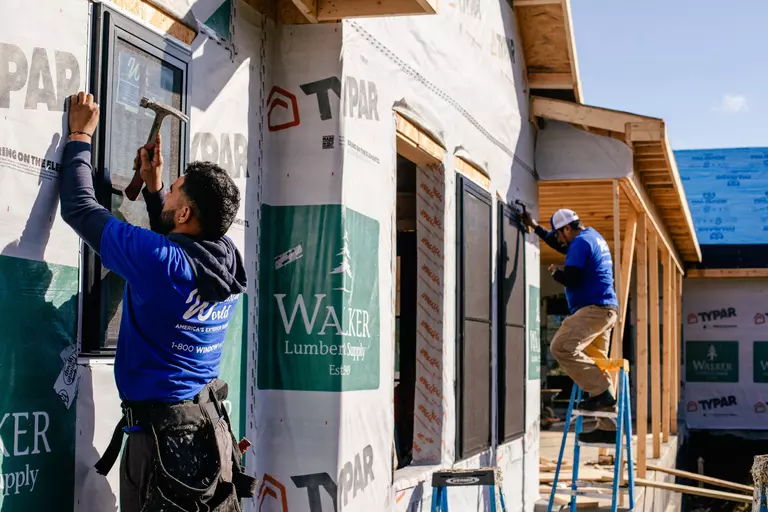
When you finance your home remodel through Window World of Tri-Cities, you're working with a trusted local company that's been serving the area for over two decades. We understand the unique needs of homeowners in northern Tennessee, from dealing with cold winters to managing summer heat and humidity.
Most importantly, you're working with a team that truly cares about your satisfaction. We're not just selling you windows or siding – we're helping you create a more comfortable, energy-efficient home that you'll enjoy for years to come. And with flexible financing options, that goal is more achievable than ever.
Ready to tackle your home renovation this year? Contact Window World of Tri-Cities today to request your free quote and learn more about our financing options during an in-home consultation.